

Fire Safety in the Home
An integral part of your fire safety plan, Fire Doors. But what are fire doors? and what makes them different to normal doors? Read our guide below to find out all you need to know about fire doors and it's different elements!

In 2022, there were 27,166 house fires, increasing by 1% from the previous year. Almost 86% of deaths caused by fires happened in residential spaces. Fire safety measures are there to help prevent causing an uncontrolled fire, as well as helping to stop the spread and the effects of a fire if one does start. As fire safety is extremely important in a household, us at Keytek® Fire Doors will explain the ways that you can look at fire safety in your home.
Why is Fire Safety Important?
A fire in a household has the ability to cause severe damage to a property, and to anyone inside of it when a fire occurs. Having effective fire safety measures in the home will help to prevent and reduce the risk of injury and destruction, and most importantly, can save lives.
What are the 4 Ps of Fire Safety?
- Prevention
- Preparation
- Procedures
- Practise
What are the 5 Key Elements of Fire Safety?
British Standard regulations states that fire checks in the household should be performed monthly to ensure that all fire safety measures that are in place are working properly and effectively. Components of a fire risk assessment are as follows:
- Identifying potential fire hazards
- Identify is anybody in the house could be at risk of either starting a fire, or being near one if you were to occur
- Evaluate, remove, or reduce the risks
- Be prepared with how to deal with a fire
- Check your fire safety measures monthly
Fire Safety in the Home
Here at Keytek® Fire Doors fire safety tips for in the home.
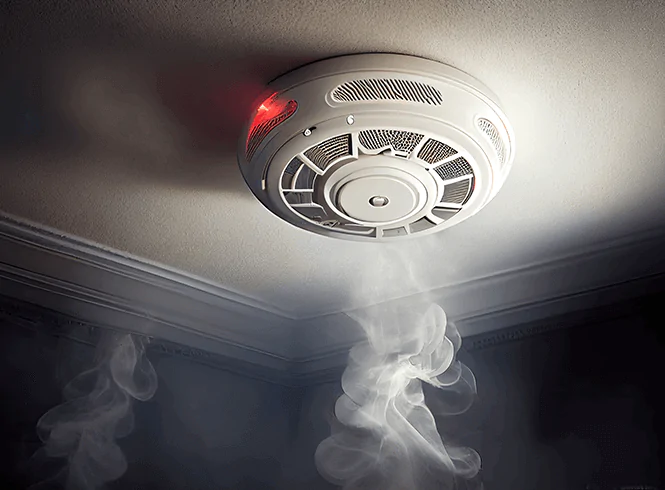
Install a Smoke Alarm
Every home should have a smoke alarm, as they can easily save lives in the event of a fire. Studies show that you are 7 times more likely to die in a fire if you don’t have a smoke alarm or smoke detector in your household. To ensure maximum safety and being able to exit a house when there is a fire, there should be a smoke alarm fitted onto each level of the house, such as a hallway and the landing. Installing one where a fire could easily start is also a good idea, such as a room with multiple electrical appliances. Smoke alarms should also be tested once a month, and batteries should be replaced once a year, to ensure that it is working properly in the event of a fire starting.
Install a Fire Door
Fire doors are needed to act as a physical barrier in different areas in a building to slow the spread of flames and smoke in the event of a fire. They have a purpose of resisting the spread of fire for a period of time, giving people enough time to exit a building via an escape route if other routes are compromised. Installing a fire door in a multiple occupancy home or shared house might be a great way to ensure that there are fire safety precautions in place.
Fire Extinguisher
A fire extinguisher helps to tackle small fires in the home, stopping a fire from spreading and growing in size, ultimately reducing the amount of damage that the fire would have caused. We’d suggest having a small domestic fire extinguisher somewhere in your home.
Storing one underneath the kitchen sink is a great preventative measure for any potential fires.
How to Use a Fire Extinguisher
Fire extinguishers are great at putting out fires and stopping the spread of them. But it is important to know how to use one:
- Pull the pin
- Aim the nozzle
- Squeeze the extinguishers trigger
- Move the extinguisher from side to side
Fire Blankets
A fire blanket is normally kept in the kitchen and is designed to deprive the fire of oxygen when placed over the flames. It’s a good way to stop the spread and growing of a fire and is a good alternative if you don’t want to buy a fire extinguisher.
Electrical Fire Safety
Over 15% of house fires in the UK are caused by electrical faults, meaning that there are about 8000 electrical fires in the UK every year. There are many different factors that can cause an electrical fire in the home, which is why it’s so important to be smart with how you use and treat your electronic devices.
It’s important to never get electrical appliances yet, including plugs and sockets. Plugs and sockets should never be anywhere near water or sources of heat, such as an oven. They should also never be left on overnight, as they can heat up and therefore start a fire. The only type of electrical appliance that should be left on at night are ones that are designed to be left on, such as a freezer.
Fuses such as extension leads and adaptors have a limit on how many amps that they are able to take, meaning that overloading them by plugging in too many electrical appliances would get the fuse overheated, therefore potentially starting an electrical fire.
How Do You Put Out an Electrical Fire?
If a fire in the home is caused by an electrical appliance, then what you need to do is pull the plug or switch off the power at the fuse box if you are able too, and it is safe to do this. This may stop the fire immediately, or at least it will get it to start extinguishing.
NEVER use water on an electrical fire, especially when the appliances are still plugged in or switched on. Putting water on an electrical fire increases the chances that you could be electrocuted. So, although it seems like water will help to extinguish the fire, you are putting yourself more at risk. The best thing you can do if you can’t get to the power outlet and turn it off, or the fire simply isn’t reducing in size you should safely exit the house and call 999.
Fire Safety in the Home FAQs
Where Do House Fires Most Commonly Start?
Domestic fires have been found to be the most common on a Saturday and Sunday., in the kitchen, usually in the evening between 6pm and 7pm. They are more likely to start in the kitchen compared to any other room, due to the amount of heat is in a kitchen, as well as electrical cooking appliances.
Do I Need a Fire Escape Plan?
Fires can escalate very quickly without warning, meaning that there could potentially be little or no time for you and anyone else in the house to escape. Creating an escape plan means that time can be saved in the event of a fire, as everybody will know exactly how to act, and where to go.