

The Ultimate Guide to Hotel Security
When staying at a hotel, especially if you’re traveling alone, it’s crucial to prioritize your safety. This guide will help you take extra precautions to secure your room and belongings, ensuring a safe and comfortable stay’.
How To Stay Safe Whilst Staying in a Hotel
Staying at a hotel can be an enjoyable and relaxing experience, whether you’re on holiday or travelling for business. However, it’s important to remember to stay safe and ensure yourself and your personal belongings are secure. Hotels can be targets for theft due to the variety of valuable items guests may have, such as laptops, phones, and cameras. Therefore, being aware of how to keep your possessions and yourself safe is crucial.
In this Keytek® guide, we will provide the best advice and precautions you can take to ensuring your hotel stay is safe and secure.
Is My Hotel Safe?
Before booking a hotel, it’s essential to consider the crime rate in the local area and research the hotel’s reputation. We recommend thoroughly checking both to ensure a safe experience. Look for hotels that prioritise safety with features such as indoor and outdoor security cameras, well-lit parking areas, and secure entrances. Additionally, ensure they have 24-hour security staff, electronic key card access, and in-room safes. By taking these precautions, you can significantly enhance your safety and enjoy a more secure and worry-free stay.
You can get a good idea of the neighbourhood by looking at the satellite and street view through Google Maps to determine whether the area looks to be safe. It might also be beneficial to read reviews left by previous guests. If they complained about loudness or a less-than-friendly neighbourhood, it’s probably not the ideal option.
How To Make Hotel Room More Secure
Keep Your Room Information to Yourself
It is critical to keep your room information private for a variety of safety reasons. Sharing your room number in public places can make you a prime target for theft or other criminal activity. Strangers or other guests who overhear this information may use them to gain illegal access to your room, putting your valuables and personal safety at danger.
Check Your Room
Once you arrive, it’s important to check your room for hotel essentials such as functioning locks, carbon monoxide and smoke detectors, fire alarms and fire extinguishers. These are common practices taken by hotel so you can expect to find these.
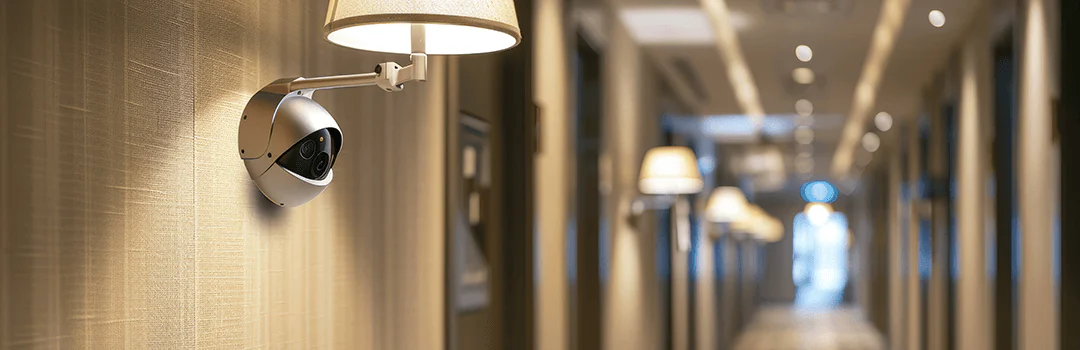
However, if you are staying at a hotel abroad or one with particularly bad reviews that seems unprofessional or suspicious, it’s crucial to thoroughly inspect your room. There is a growing concern about hidden cameras being discovered in travel accommodations. While this issue is more common in Airbnb rentals, it can also occur in hotels, especially not well-known chained hotels. Hidden cameras are often disguised as everyday items, such as wall chargers or smoke detectors.

How To Check Your Hotel Room for Hidden Cameras
To ensure your privacy and security, be vigilant and check for anything unusual. Here are some things we suggest you look for:
- Multiple smoke detectors in one room
- Smoke detectors in the bathroom
- Oddly placed decorations or gadgets
- Red lights or visible wires
By being aware of your surroundings and taking these precautions, you can help protect your privacy and enjoy a safer stay.
How to Check Your Hotel Room for Two-Way Mirrors
Encountering a two-way mirror in a hotel room is rare, yet it’s crucial to know how to identify and manage one for your peace of mind. Here are detailed steps to help you inspect for two-way mirrors:
Fingernail Test:
- Gently touch the mirror with your fingertip.
- Note the gap between your finger and its reflection. A gap suggests a regular mirror; no gap could indicate a two-way mirror.
Lighting Observation:
- Observe the brightness of your reflection. Two-way mirrors typically require brighter lighting on the reflective side for viewing from the opposite end. Unusual brightness may signify a two-way mirror.
Physical Inspection:
- Check the mirror’s installation type. Wall-mounted mirrors are more likely to be two-way mirrors than hanging ones. Inspect behind hanging mirrors for hidden spaces.
Peering Through the Glass:
- Cup your hands around your eyes and press against the mirror, blocking out ambient light. If you can see through to the other side, it might be a two-way mirror.
- Alternatively, turn off the room lights and shine a flashlight on the mirror. Light passing through confirms a two-way mirror.
Additional Checks:
- Look for signs of tampering like visible wires or unusual installations around the mirror.
- Mirrors in unusual locations, such as bathrooms, warrant closer inspection due to higher privacy concerns.
Reporting:
- If you suspect a two-way mirror, inform hotel management immediately. This is a serious invasion of privacy and potentially illegal.
- If the hotel staff does not address your concerns, contact local authorities to ensure your privacy and safety.
For further security tips and expert advice, visit Keytek Locksmiths or call us on 0808 164 2928. Trust Keytek Locksmiths to safeguard your privacy and protect what matters most.

Secure Your Belongings
To secure your valuables and prevent attracting unwanted attention, never leave your valuables in plain view of windows, especially if your hotel room is a ground-floor room. Making use of the hotel’s in-room safe to store valuables, including any cash, jewellery, passports, and electronics, you may have provided piece of mind that they are locked away and safe.
For items that do not fit in the safe, we suggest carefully packing them in a suitcase and zip it shut with a luggage padlock for further security. This also ensures that when a cleaner or maintenance worker may enter your room, you do not have to worry about the potential of them snooping through your valuables and stealing them.
Use the “Do Not Disturb” Sign
Using a “Do Not Disturb” sign is an effective way to reduce the number of people entering your room. Hanging this sign outside your door on the handle signals to passersby that the room is occupied, discouraging housekeeping, other staff, and even potential thieves looking to raid your hotel room. Even If you need new towels, you can typically get them from reception, so if you don’t care about having your room cleaned and would rather keep it more secure, keeping this sign up for the duration of your stay should keep anyone from entering your room.
This easy technique is especially beneficial if you’re working in your hotel room or have valuables that you don’t want others to view, since it protects your privacy and security.
How To Secure a Hotel Room Door
Securing the door of your hotel room is vitally important. Start by ensuring the door is completely shut, and then ensure the latch or lock is fully engaged and functioning correctly. If the door has any deadbolt on the secondary latch that can offer extra protection, make sure these are engaged.
If you are not satisfied with the level of security on the hotel room door These devices can be easily installed and removed, offering additional security that may be particularly reassuring for solo travellers or those who have concerns about their safety.
Before going to bed, make sure your door is securely locked, but make sure you don’t block the door with heavy furniture, as your door is a crucial escape route, and ensuring it remains unobstructed can be vital for your safety during unforeseen situations. Taking these measures will help you feel more secure and comfortable throughout your stay.
How Do You Make a Hotel Door More Secure?
How To Secure Hotel Room Door with Towel
To improve the security of your door, use a medium-sized towel, which is often provided by hotels. Roll the towel up and put it behind the door handle. This simple precaution can help prevent a frequent “hooking” technique in which an attacker uses a hook and string to reach below the door and pull down the handle, gaining entry. By preventing them from pulling the handle down, this strategy becomes ineffective and protects you. To increase protection, place another rolled towel over the entire width of the bottom of the door to prevent burglars even more from using the “fishing hook” technique.
What Is the Safest Hotel Floor to Stay On?
When checking in to a hotel or even prior to your booking its best to request a room on the 3rd, 4th or 5th floor of the hotel. The idea behind this is to make sure you aren’t staying in a room that is easiest for criminals to break into from exterior window or balconies which predominantly are the ground, 1st or even second floor of the hotel.
It’s also wise to avoid staying on high floors if possible. The higher your room, the more difficult it is to evacuate in an emergency. Modern firefighting equipment typically only reaches up to the third or fourth floor, so staying on a higher floor means it will take longer and be more challenging to reach a safe, accessible level for rescue in the event of a fire.

Why Do People Cover the Peephole in Hotels?
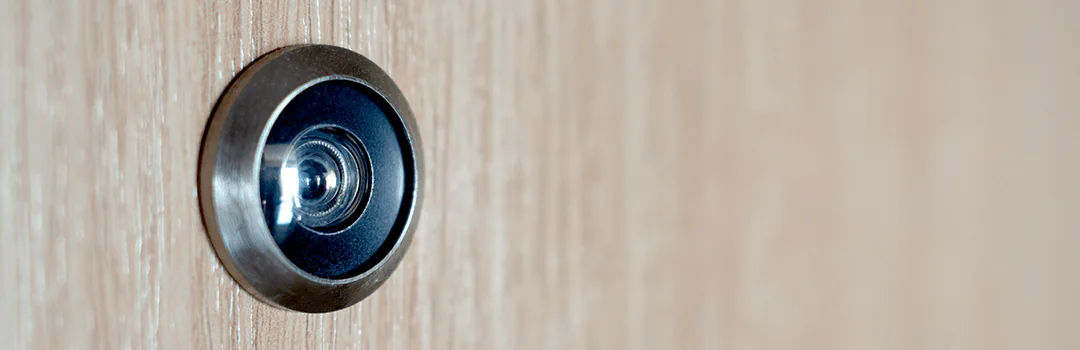
It’s a great idea to cover the peephole on your hotel door as it is a simple but effective security precaution to take. Peepholes can be tampered with, allowing someone from outside to look into your room by reversing the peephole which gives them the ability to view into your room from the outside. Most peepholes have a cover you can flip down which covers the door eye viewer so nobody can see in even if it has been tampered with.
Are Hotel Room Safes Secure
Hotel room safes can come in all shapes and sizes, and some can even be fitted into the wall or wardrobes. These types of safes will mostly operate with an electronic key that also has a master override key.
Hotel safes are commonly used amongst travellers to store high-value electronics such as laptops and iPads, as well as personal documentation such as passports. So, to make sure your valuables are kept safe, make sure you set the code to something obscure when you move into the room and nothing that could be guessed by hotel staff, such as your room number or your date of birth.
Setting this code to be completely random makes it very difficult for someone to get in unless they are using a master override key. In this case, it’s a good idea to cover the safe in a specific way with clothes or towels, so if someone were to come into the room, they would have to move those items to get to the safe, and if you notice they have been moved when you return, you can alert the hotel managers.
Are Hotel WIFI’s Secure?
Hotel Wi-Fi networks are notoriously unsafe and insecure and significantly less trustworthy than the networks you might use at home. Despite common perceptions, hotel Wi-Fi is particularly vulnerable, making it one of the riskiest types of public Wi-Fi available.
Without a VPN, hotel staff can potentially monitor the websites their guests visit when using the hotel’s Wi-Fi. This makes it crucial to avoid accessing personal or sensitive information over these networks.
Hackers often target hotel Wi-Fi networks because of their known vulnerabilities, exploiting guests who may unknowingly access banking sites or emails, leaving them vulnerable to attacks. To protect your information, it’s advisable to use your mobile data or a personal hotspot. If you must use the hotel’s Wi-Fi, consider using a VPN to protect your internet use.
Are There Security Cameras in Hotel Rooms
Under UK privacy laws, it is illegal to for hotels to install CCTV cameras in rooms and other private spaces where individuals expect privacy. Reputable hotels generally comply with these strict regulations, reducing the likelihood of hidden cameras in their rooms. However, Airbnb rentals and unreliable hotels can vary in adherence to surveillance camera rules. Violating the Data Protection Act (DPA) by installing hidden cameras can lead to severe consequences for hotels such as fines and imprisonment.
As many types of hidden cameras emit infrared light when in use, to detect potential hidden cameras, you can use a smartphone’s front-facing camera in a darkened room to spot sources of infrared light.
Do Hotels Have Security Guards?
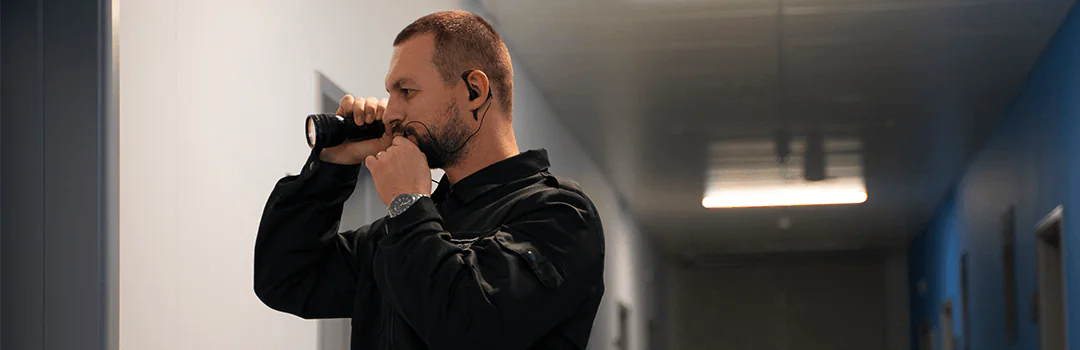
In nearly every hotel across the UK, there will be at least a few security guards. The number of security guards could depend on the area of the hotel, the price of the hotel, and whether there is a nearby event taking place. These guards are there for guest protection, and a hotel security guard will be called upon to deal with guests and sometimes even members of staff who are breaching the rules or causing disruption.
Can Hotel Security Enter Your Room
The hotel security guards can enter your room in case of emergencies. These emergencies can be different types, including fire or other alarm triggering. They can also, if the hotel suspects illegal activity, such as drug use or criminal behaviour, enter the room, often in conjunction with police.
They can also enter to undertake health and safety inspections, particularly if a visitor has left a do not disturb sign on the door for a lengthy period of time or if they are concerned about the guest’s well-being.
Do Hotels Take a Security Deposit
Hotels often take a security deposit at check-in to cover potential damages, unpaid bills, or incidental charges during a guest’s stay. The amount of the deposit and whether it’s required vary by hotel, so this is worth checking on their website before booking.
This deposit can be collected in the form of a hold on a credit card or as a cash payment. If no problems emerge during the stay, the deposit is reimbursed at check-out, although the timing of the reimbursement may differ based on the hotel’s regulations and the guest’s payment method.

Becki Hooper
Becki is a seasoned home security specialist and the Marketing Manager at Keytek, one of the UK’s leading locksmith companies. With over a decade of hands-on experience in the locksmith and security industry, she offers trusted guidance on everything from upgrading to high-security locks to selecting the best home protection systems. A graduate of Winchester University, Becki blends academic insight with practical expertise to empower homeowners with reliable, up-to-date security advice.