

Listed Building Security
Listed Building Security
If you own a listed building or are in the process of purchasing one, you will know that there are a lot of restrictions in place in what you can or cannot do to maintain it. When it comes to home security, it can be a minefield anyhow without all the added stress of ensuring it meets planning permissions.
In this guide we will walk through way in which you can enhance your listed building security legally and effectively.
What is a Listed Building?
A listed building is granted legal protection under UK heritage legislation, this means you can’t demolish, alter or extend the building without being granted permission. A listed building doesn’t need to be old to be listed but can have architectural or national significance too, such as Buckingham Palace.
Each listed building falls under 3 categories:
- Grade I – only 2.5% of buildings fall into this category and are of ‘exceptional interest.’
- Grade II* – 5.5% of buildings, they are ‘particularly important buildings of more than special interest.’
- Grade II – 92% of buildings of ‘special interest.’

Why is Security a Challenge?
Once a building is listed the whole building, including the interior are protected. Home security for listed buildings is challenging because there are strict regulations to preserve the historical building that limit the ability to implement modern security measures like outdoor security cameras, making them targets for thieves and vandalism.
Importance of Balancing Preservation with Protection
It’s important to retain historical buildings for historical integrity, cultural identity and ensuring there are links to our history for future generation. However, security is needed to ensure that these listed buildings remain safe and vital to their survival from criminals.
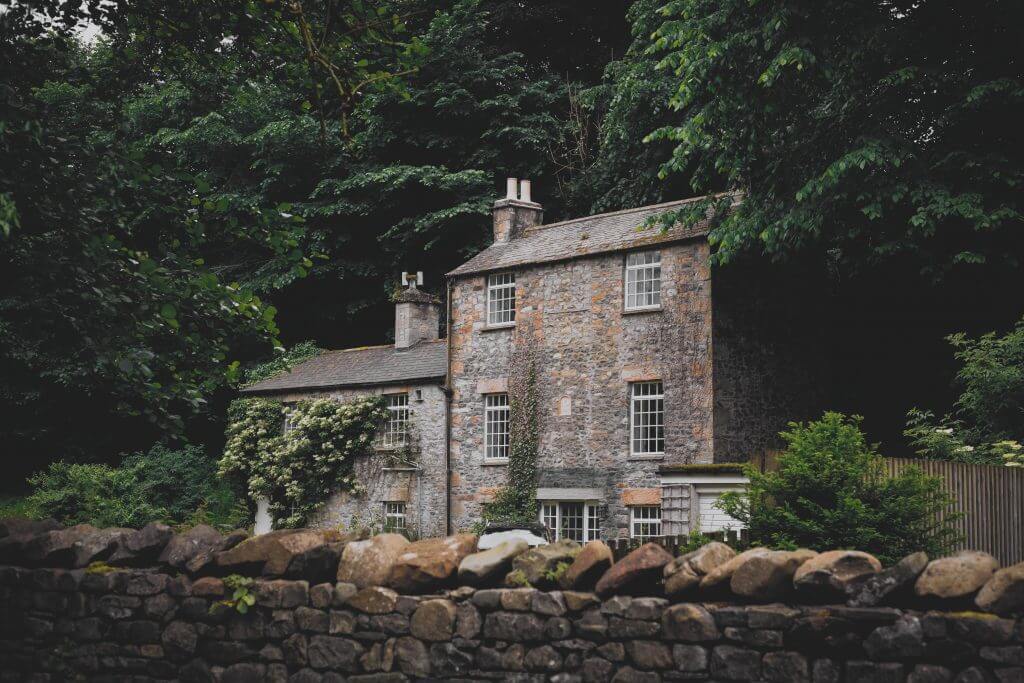
Common Security Issues with Listed Buildings
Listed buildings face unique security challenges due to their historical significance and regulatory constraints:
Alteration Restrictions
- Local authority consent required for modifications
- Only like-for-like materials typically permitted
- Modern, cost-effective options (e.g., uPVC) often rejected
Outdated Security Features
- Old locks easily picked by intruders
- Single glazing increases vulnerability to break-ins, heat loss, and mould
Insurance Demands
- Higher premiums than standard properties
- Legal obligation to maintain original condition at significant expense
Locks and Door Security
Historic doors: what can/can’t be altered (the rules)
You Can:
- Replace historic doors for like-for-like if the door is beyond repair, you will still need planning permission.
You Cannot:
- Remove a historic door without consent and may be required to display it somewhere within the building.
- Replace a door with a modern feature.
- Paint the door a new colour without consent.
BS3621 Insurance Approved Locks and Compliance with Heritage Guidelines
BS3621 is the British Standard for high-security locks that have been rigorously tested to withstand burglary techniques. To ensure your listed building complies with your home insurance and is approved by planning permissions take a look at Heritage Brass locks.
Specialist Locksmith Advice
When upgrading your locks it is important to seek a locksmith specialist who has experience with antique locks and historical doors as they understand the delicate mechanisms and importance of like-for-like replacements where required.
Window Security
Listed building windows lack modern uPVC frames, locks, and double glazing, creating multiple issues:
Problems with Traditional Windows
- Poor insulation leading to heat loss, high energy costs, and drafts
- Inadequate soundproofing
- Rot and warping of original frames
- Weak security—easily smashed glass and forced entry
Approved Security Solutions
- Sash locks (authority-approved)
- Interior security grilles, particularly collapsible designs for occasional use
Glazing as a Security Measure
Secondary glazing may be an option if approved which will add an extra barrier against forced entry to your listed building. They are designed to be almost invisible which appeals to planning permissions and can incorporate more robust locking mechanisms helping improve the security of the building.
Alarms and Surveillance
Just having a visible deterrent such as an outdoor security camera is sometimes enough to deter burglars as they are more likely to be caught.
What to Consider for Listed Buildings:
- Wireless CCTV: avoid running cables that can damage the building and easily removed.
- Discreet placement:
- No more than 4 cameras on a single wall, no more than 16 in total.
- The cameras cannot be bigger than 0.75 x 0.25 x 0.25 meters.
- No lower than 2.5 meters above ground level or within 10 meters of another camera.
- Cannot protrude more than 1 meter.
- Permission: Even small CCTV installations may require consent from planning permissions.
- Professional installers: We recommend you employ a company that are experienced with listed buildings as they know the rules and regulations required.
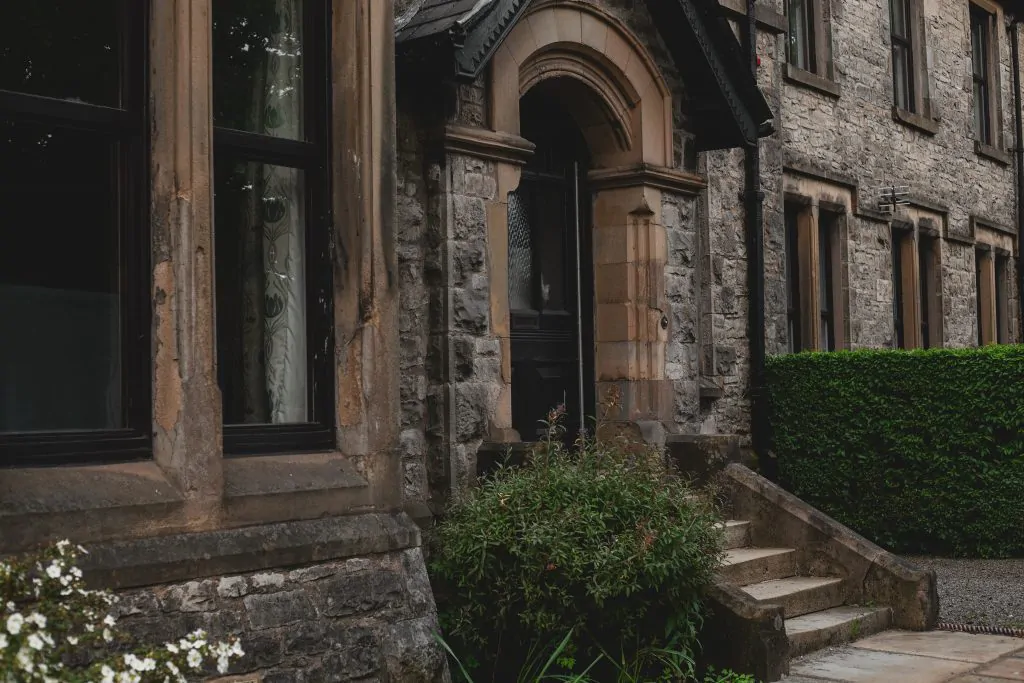
Perimeter and Garden Security
Security Lighting
Burglars love the dark; by illuminating dark corners around your home, you give them nowhere to hide.
- Use motion activated floodlights that won’t interrupt you unnecessarily and will frighten burglars if caught in their light.
- Opt for lighting that is discreet or is sympathetic to your building’s aesthetics.
- Remember boundary walls may also be listed so may need permission there too.
- Ensure the beams are not pointed directly at windows of other houses.
Gates, Fencing and Hedges
Your listed building may extend to the garden and boundary walls, making it tricky to add any additional security features there. What you can do to prevent against burglaries include:
- Keep hedges neat and trimmed, less foliage for burglars to hide in.
- Historic England states that equipment “should be installed in a manner that minimises physical impacts on historic fabric and visual intrusion.”
- Keeping your listed building in a well-maintained manner will also deter burglars as they will assume security is lacking on more derelict looking properties.
- Take a look at our garden security guide for some helpful information.
Burglar Repellent Plants
Thorny or prickly plants such as hawthorn or blackthorn are a great natural deterrent to prevent burglars from climbing over boundary walls or into your windows. Of course, if planting something new you need to consult your local planning authority as even your garden may be protected.
Outbuilding and Garage Security Considerations
Don’t forget to secure your outbuildings and garages when updating your buildings security in line with planning permissions if they are included.
Listed Building Regulations
Before you start any work, you need to consider the following:
- Minimal Intervention — use approved materials and methods for sympathetic security improvements.
- Reversibility — use security solutions that can be removed later without causing damage.
- Appropriateness — match security measures to the risks your building faces.
- Legal Compliance — always secure relevant permissions from Historic England and/or your local planning permissions.
Insurance Considerations
It’s likely you will need listed building insurance as standard home insurance won’t cover you for the expenses that may arise such as sourcing original materials and employing specialist tradesmen.
How Insurers View Security Upgrades
Most insurers will see security upgrades as only a positive as there is a reduction in risk that may even lower your premium.
FAQs:
Can I change the locks on a listed building?
Yes, in most cases you can change or upgrade the locks, provided the work doesn’t damage or alter the historic door. A locksmith experienced with listed properties can recommend compliant, insurance-approved locks that fit discreetly.
Do I need listed building consent to install a burglar alarm?
Generally, burglar alarms don’t require consent if they don’t affect the building’s character. However, visible external boxes may need approval, so it’s best to check with your local planning authority.
Are modern security systems allowed in listed buildings?
Yes. Wireless alarm systems, smart cameras, and discreet CCTV can usually be installed without structural changes. The key is choosing unobtrusive options that don’t harm historic features.
What type of locks are suitable for listed building doors?
BS3621 insurance-approved mortice locks are usually recommended. If the original door can’t be altered, a locksmith may suggest secondary locks or specialist fittings that meet both security and conservation standards.
Do I need planning permission for security lighting on a listed property?
Discreet, motion-activated lighting often doesn’t need permission, but large or visually prominent fittings might. Always check with your conservation officer before installing new fixtures.
Will security upgrades affect my listed building insurance?
In most cases, security improvements will reduce insurance premiums. Some insurers may even require certain upgrades (e.g., approved locks, alarms) for coverage on listed properties.

Becki Hooper
Becki is a seasoned home security specialist and the Marketing Manager at Keytek, one of the UK’s leading locksmith companies. With over a decade of hands-on experience in the locksmith and security industry, she offers trusted guidance on everything from upgrading to high-security locks to selecting the best home protection systems. A graduate of Winchester University, Becki blends academic insight with practical expertise to empower homeowners with reliable, up-to-date security advice.