
Locks Suitable for Arthritis or Limited Dexterity

Common Problems with Traditional Locks
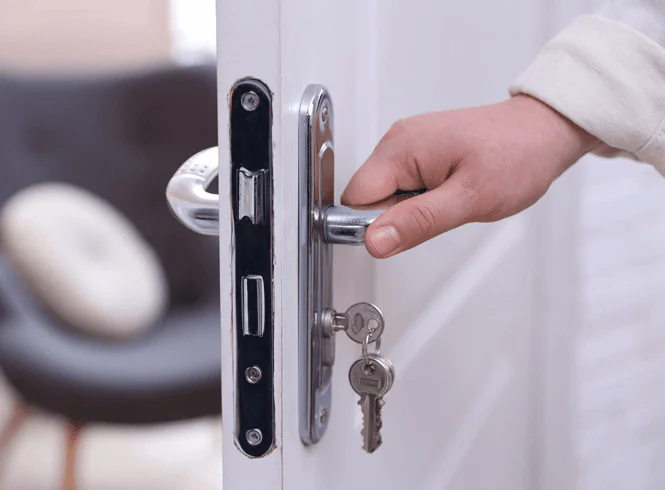
Traditional locks and handles aren’t always designed with accessibility in mind. Here are some of the most common challenges for people with arthritis or limited dexterity:
- Small, narrow keys: Difficult to grip, insert, and turn.
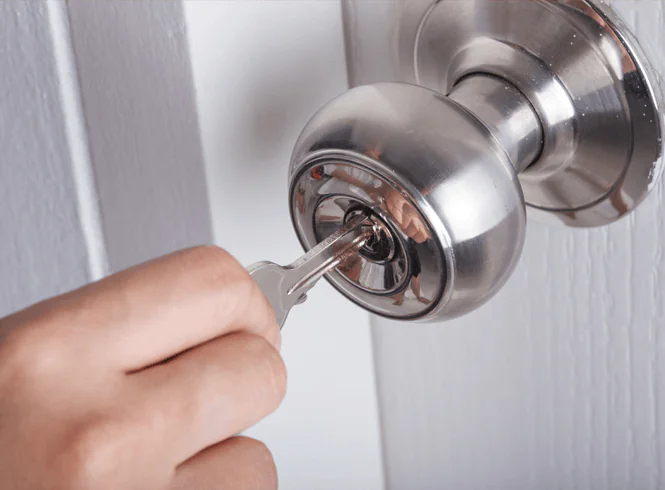
- Round doorknobs: Require twisting, which can be painful on the fingers and joints.
- Stiff or high-torque handles: Need extra force to operate.
- Multiple locking steps: Having to use a deadbolt, latch and chain can make doors harder to open.
- Poor placement: Handles or locks fitted too close to the doorframe can restrict movement and make access awkward.
Locks And Devices for Limited Hand Mobility
Keyless And Smart Locks
These systems eliminate the need for traditional keys by allowing access with codes, smartphones or fingerprint. This is great for those who struggle to turn a key. A lot of these devices come with an auto locking feature, which means you don’t have to worry about locking the door behind you.
Lever Style Handles
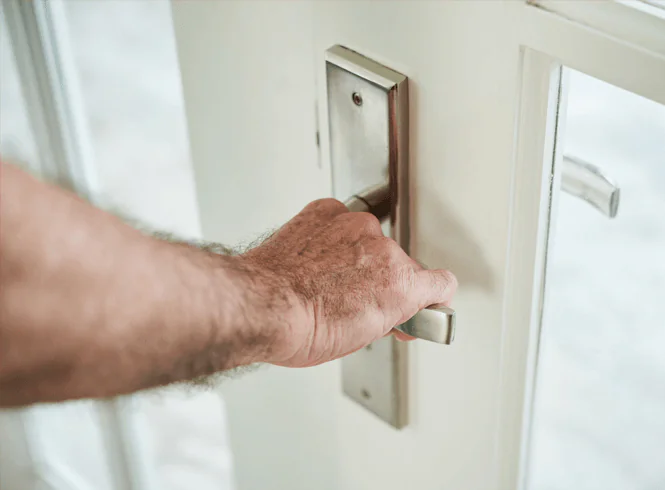
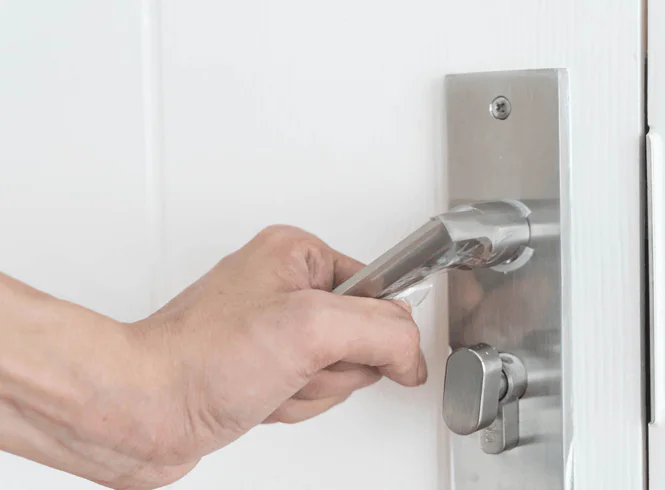
Replace round doorknobs with lever-style handles wherever possible. Levers only need a light push or pull motion to open, whereas knobs require twisting — a much harder action for anyone with arthritis or reduced grip strength.
Thumbturn Euro Cylinders
These locks feature a large, easy-to-grip thumbturn on the inside of the door, allowing you to lock or unlock it without using a key indoors. This simple swap significantly reduces effort while maintaining security.
Assistive Devices
If replacing your locks isn’t an option, several assistive devices can make everyday use easier:
- Key turners: Attach to your existing key to create a larger, ergonomic grip.
- Doorknob grips: Silicone covers that make knobs larger and easier to turn.
- Handle extensions (such as Keywing or Tru Grip): Clip onto your handle to provide extra leverage and reduce strain on your hands.
Other Tips for Easier Use
- Keep locks well maintained. Regular lubrication prevents stiffness and ensures smooth operation.
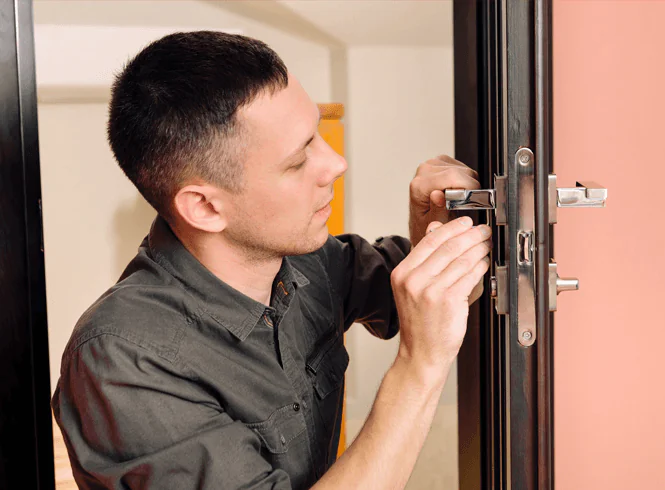
- Use a professional locksmith. Have your locks fitted or adjusted by a professional locksmith to ensure correct setup and long-term reliability.
- Consider wider accessibility improvements. Grab rails, ramps, and automatic door openers can further improve safety and comfort throughout your home.
Accessibility Support in the UK
If you need help funding accessibility improvements, check with your local council about the Disabled Facilities Grant. This grant can help cover the cost of home adaptations such as accessible locks, grab rails, or mobility aids.
Final Thoughts
If you are struggling with securing your home due to mobility issues, there are some simple steps you can take to make life a little easier. It’s so important to make sure your home is secure so you can have peace of mind. So, implementing a few of the practices we have advised is the best way to be secure.

Kim Freeman
Kim is Keytek’s longest-serving security blogger, with nearly a decade of hands-on experience in the security industry. Over the past 9 years, she has built trusted relationships with locksmiths and security professionals across the UK, giving her exclusive insight into the latest trends, technologies, and best practices in home security.
From traditional burglary prevention methods to cutting-edge smart home solutions, Kim covers it all. As part of her role, she regularly reviews the newest home security gadgets on the market—including smart doorbells, security cameras, and more—bringing readers honest, practical advice on how to protect their homes.
Kim’s passion for security was sparked during her time at the University of Chester, where she learned first-hand how vulnerable student housing can be to break-ins. That early experience inspired a lifelong interest in home protection, eventually leading her to join the team at Keytek.
Today, Kim combines her deep industry knowledge with a love for writing to deliver helpful, accessible content for homeowners across the UK. You can read all of her expert advice and top security tips at Keytek.co.uk, where she shares everything from seasonal safety guides to reviews of the best security products on the market.

Hollie Ferris
Hollie is Keytek Locksmith's uPVC specialist, bringing her experience in uPVC doors, locks and window mechanisms from a unique background in the glazing industry. Growing up in a family that operates a successful local double-glazing company, she developed an intuitive understanding of uPVC systems from an early age and gained hands-on experience through her first role in the family business.
After earning her bachelor's degree from Bournemouth University, Hollie joined Keytek where she has been the go-to expert for all uPVC-related challenges for the past 6 years. She creates comprehensive guides and troubleshooting content, helping homeowners understand their uPVC door mechanisms, identify common lock problems, and determine when professional locksmith services are needed.
Read all of Hollie's insights at keytek.co.uk, including comprehensive uPVC maintenance guides.