
The 3 Stages of Lock Failure: A Homeowners Guide to Identifying a Dying Lock

A door lock rarely goes from working perfectly to completely broken without warning. In many cases a lock will show subtle signs of wear and tear before it eventually fails. Recognising these warning signs can help homeowners deal with a problem before they are left unable to secure their property, or worse locked outside.
From a key that suddenly becomes difficult to turn to key that snaps inside the lock, understanding the different stages of lock failure can help you decide when it is time to act.
Stage 1 – The Early Warning Signs
The first stage of lock failure can be easy to ignore. Your lock still works, but it may not feel as smooth or reliable as it once did.
Your key is difficult to turn
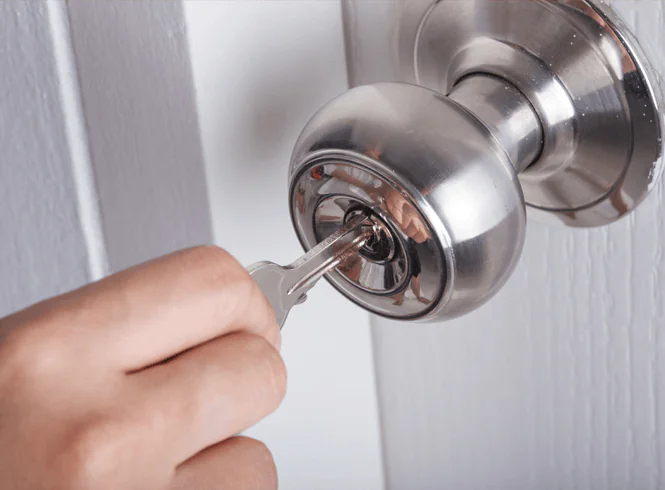
If your key feels stiff, catches or requires more force to run, it could be an early sign that the lock is becoming worn. Never force a key that is struggling to turn. Excessive pressure can damage the lock and increase the risk if the key snapping in the lock.
The lock feels different
A lock that feels loose, rattles, or behaves differently from usual could also be showing signs of wear and tear. Sometimes the problem may not be the lock itself. Doors can move or become misaligned overtime, making it harder for the locking mechanism to line up correctly with the frame.
The key catches
If you regularly have to wiggle your key before the lock operates, don’t ignore it. A lock should operate smoothly, and repeated catching can indicate an underlying problem. Getting professional help at this stage may prevent more serious problems later.
Stage 2 – Increasingly Unreliable
At this stage the signs of failure become harder to overlook. The lock may still work, but it is becoming increasingly unreliable. This is a good time to have the lock inspected rather than waiting got it to completely fail.
The lock only works sometimes
A lock that works normally one day but sticks the next could have worn or damaged internal components. Intermittent problems can quickly become complete failures, particularly if the lock is being used serval times a day.
Your key is becoming worn
A bent, damaged, or excessively worn key should not be ignored. A faulty lock can put additional pressure on the key, increasing the chance of it breaking. If your key is showing unusual wear, have both the key and the lock checked rather than simply replacing the key.
The lock is sticking or jamming
A sticking lock is more than an inconvenience. If you cannot reliably lock or unlock your door, your home’s security could be compromised. Trying to force a jammed lock can also cause further damage. Professional help with fixing a door lock issue can help identify whether the problem is repairable or whether replacement is necessary.
Stage 3 – Complete Lock Failure
The final stage is when your lock can no longer be relied upon to work properly. They key may refuse to turn, the mechanism may have seized, or the lock may no longer secure the door. At this point, you most likely have a broken lock, and the risk for a lockout increases greatly.
Your key has snapped inside the lock
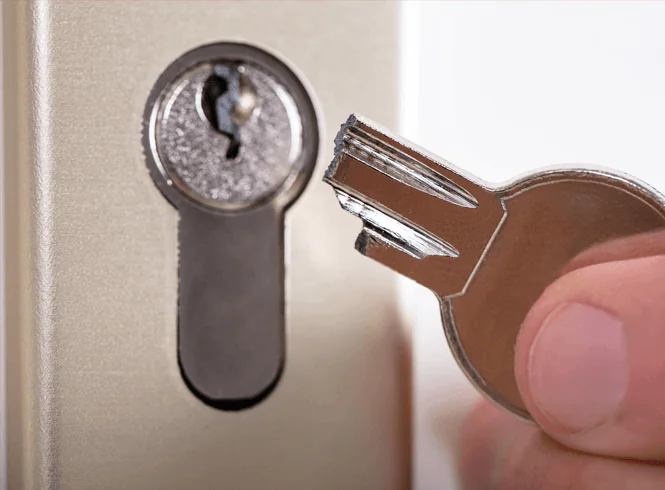
One of the most frustrating forms of lock failure is a key snapped in a lock situation. If your key breaks inside the cylinder, avoid pushing the broken section further into the lock or attempting to force it out with unsuitable tools. You could end up damaging the cylinder and make the problem more difficult to resolve. A locksmith can assess the lock and determine whether the broken key can be safely removed or weather the cylinder needs replacing.
The key turns but nothing happens
If the key turns but the lock is not engaging, then the internal mechanism may have failed. Although the key appears to be working, the door may no longer be properly secured. This should be addressed promptly
The lock will not work at all
If your key will not turn or the lock has completely seized, you may be dealing with a broken door lock. Avoid repeatedly forcing the key as this could result in the key snapping or getting stuck.
What Causes Door Locks to Fail?
There are several reasons why locks can eventually fail, including:
- General wear and tear.
- Damaged or worn keys.
- Internal components becoming worn.
- Misaligned doors or frames.
- Dirt and debris inside the mechanism.
- Physical damage or attempted forced entry.
- Repeatedly forcing a stiff lock.
External locks can also be affected by changing weather conditions, particularly moisture and temperature changes.
Can You Fix a Broken Door Lock Yourself?
Some minor issues can be resolved without replacing the entire lock, but homeowners should be careful when attempting repairs. Using excessive force or dismantling a lock without thew correct knowledge can cause further damage. If your door lock is broke, a professional locksmith can identify the cause and advise on whether the lock can be repaired, adjusted, or needs replacing.
Don’t Wait for Your Lock to Fail
A failing lock often gives you warning signs. A stiff key can develop into intermittent problems before eventually becoming completely broken. By recognising the three stages of lock failure, homeowners can act before a minor problem becomes an emergency. If your lock is becoming difficult to use, we can provide professional advice and assistance with lock repairs and replacements, helping you find the right solution for your home.

Chloe Harrison
Chloe is the Digital Marketing Executive at Keytek and specialises in creating informative home security content that helps homeowners tackle common lock and door issues with confidence. From practical how-to guides to expert security advice, Chloe focus' on delivering clear, reliable information that is easy to understand.
A Marketing graduate from the University of Kent, Chloe combines strong research skills with insights from Keytek's experienced locksmiths to produce accurate, up-to-date content that homeowners can trust.