

How To Protect Your Doors and Locks from the Heat

The UK is currently experiencing some of its hottest days of the year, with heatwaves bringing high temperatures and widespread disruption. While you may be focused on keeping yourself and your home cool, it is also important to consider how extreme heat can affect your doors and locks.
High temperatures, direct sunlight and humidity can cause certain door materials to expand or swell. This can put pressure on locks and mechanisms, making doors difficult to open, close or lock properly.
In some cases, a door that will not lock can leave your home security compromised. Understanding how heat affects your doors and locks can help you prevent problems and know what to do if they occur.
Can Heat Affect Door Locks?
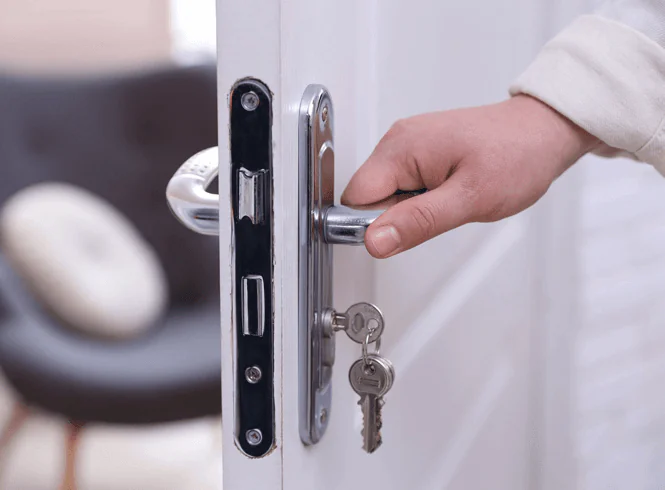
Yes, heat can affect door locks. High temperatures can cause some door materials to expand, putting additional pressure on the lock, latch or frame. This can make the mechanism difficult to operate and, in some cases, prevent the door from locking or unlocking correctly.
Heat can also affect keys and handles, particularly when they are exposed to direct sunlight or high temperatures for prolonged periods.
Why heat jams locks and deadbolts
Extreme heat can cause materials around a door and its locking mechanism to expand. Wooden doors are particularly susceptible to movement as temperatures and humidity change, while other materials can also expand enough to affect alignment.
When a door expands within its frame, it can put pressure on the latch or deadbolt. You may notice that:
- The key becomes difficult to turn.
- The handle feels stiff or difficult to operate.
- The deadbolt will not fully extend or retract.
- The door becomes difficult to close.
- The lock appears to work when the door is open but not when it is closed.
If your lock suddenly feels stiff during a heatwave, avoid forcing the key or handle. Excessive force could damage the key, lock or door mechanism.
How heat can bend or warp your keys
Keys can also be affected by extreme temperatures, particularly if they are left somewhere exposed to direct sunlight or intense heat. Thin or damaged keys may become distorted, making them difficult or impossible to insert or turn in the lock.
If your key no longer operates the lock smoothly, don’t force it. A damaged key can snap inside the lock, potentially turning a relatively simple problem into a more complicated lockout.
If you suspect your key or lock has been damaged, a professional locksmith can assess the problem and determine whether the key, cylinder or wider locking mechanism needs attention.

Do Doors Expand and Swell in the Heat?
Yes. Doors can expand or swell in hot weather, although the amount of movement depends on the material, construction, exposure to direct sunlight and the surrounding temperature and humidity.
A front door that is exposed to strong sunlight for several hours can become particularly hot. Expansion may cause the door to become misaligned with its frame, making it harder to open, close or lock.
Do uPVC doors swell in heat?
uPVC doors can expand in high temperatures, particularly when they are exposed to prolonged direct sunlight. This movement can affect the alignment between the door and frame.
In some cases, you may find that your uPVC door won’t open even though it is unlocked. You may also notice that the door becomes difficult to close or that the locking mechanism no longer lines up correctly.
If your uPVC door is sticking during hot weather, don’t repeatedly force the handle or key. Allowing the door to cool can sometimes reduce the expansion and make the door easier to operate.
Do wooden doors expand in heat?
Yes, wooden doors can expand in heat. Timber naturally responds to changes in temperature and humidity, and prolonged exposure to heat or moisture can cause it to swell or change shape.
Direct sunlight can also damage the finish of a wooden door, causing paint or other finishes to fade, crack or deteriorate over time.
One way to reduce the impact of sunlight is to use a lighter-coloured finish, as darker colours generally absorb more heat. An exterior varnish with good UV protection can also provide an additional protective layer.
For more advice, see our guide to caring for wooden doors.
Do aluminium doors expand in heat?
Aluminium doors are generally more stable in changing temperatures than timber and uPVC. Although aluminium does technically expand when heated, its construction means that normal temperature changes are less likely to cause the operational problems associated with significant door movement.
Aluminium is also naturally weather-resistant, corrosion-resistant and relatively low maintenance, making it a durable option for homes exposed to changing weather conditions.
Why Won’t My Door Lock in Hot Weather? (And How to Fix It)
If your front door won’t lock in hot weather, the heat may have caused the door, frame or locking mechanism to move slightly out of alignment.
This is particularly common when a door is exposed to direct sunlight. You might find that the lock works normally when the door is open but becomes difficult or impossible to operate when the door is closed.
If your door won’t lock in the heat:
- Don’t force the key or handle. Forcing the mechanism could damage the lock or snap the key.
- Let the door cool down. If possible, reduce its exposure to direct sunlight and allow the door and surrounding frame to return to a lower temperature.
- Check for obvious obstructions. Make sure nothing is preventing the door from closing fully.
- Try the lock again gently. Once the door has cooled, the components may return closer to their normal position.
- Contact a locksmith if the problem continues. Persistent problems could indicate an alignment issue, damaged lock or another fault that needs professional attention.
The same advice applies if your uPVC door isn’t locking. Avoid repeatedly forcing a stiff mechanism, as this can make the problem worse.
If you are unable to secure your property or are locked out because your door will not open, you may need an emergency locksmith. A professional locksmith can assess the problem, help you regain access safely and advise whether the lock, cylinder or door alignment needs attention.
How can I protect my Locks During a Heatwave?

If your front door gets hot from the sun, reducing its exposure to direct sunlight can help minimise the effects of heat and protect the door’s finish.
There are several ways you can help protect your front door from sunlight:
- Choose a lighter-coloured finish: Lighter colours generally absorb less heat than darker colours, helping to reduce how hot the door becomes.
- Use a UV-protective varnish: For wooden doors, an exterior varnish with UV protection can help protect the finish from fading and deterioration.
- Provide shade: A porch, awning, canopy or other suitable form of shade can reduce direct exposure to sunlight.
- Keep the door maintained: Regularly inspect your door, frame, handles and locking mechanism for signs of wear or movement.
- Be particularly careful with south-facing doors: Doors that receive prolonged direct sunlight can become significantly hotter during periods of extreme weather. Dark-coloured uPVC doors may be particularly susceptible to heat-related expansion.
If your door becomes extremely hot, avoid rapidly cooling it with freezing water. A gradual reduction in temperature is preferable to exposing the material to sudden temperature changes.
Which Doors Best Withstand Heat?
When choosing a door, factors such as security, budget, appearance, maintenance and exposure to weather should all be considered. However, some materials are better suited to coping with changing temperatures and prolonged exposure to sunlight than others.
Aluminium doors
Aluminium is a durable, weather-resistant material that requires relatively little maintenance. Unlike timber, it does not need regular staining or painting to provide basic weather resistance.
Aluminium doors are also resistant to corrosion and can provide a robust option for homes that experience significant exposure to the elements.
Wooden doors
Wooden doors can provide a traditional and attractive appearance, but they require more maintenance than some modern alternatives.
Heat, direct sunlight and humidity can cause timber to expand, contract or swell. The finish can also fade or crack over time. Regular maintenance, suitable paint or stain and a UV-protective exterior varnish can help extend the life of a wooden door.
Composite and uPVC doors
Composite and uPVC doors are popular because they are relatively low maintenance and can provide good durability.
Both materials can, however, be affected by prolonged exposure to high temperatures. uPVC in particular can expand when exposed to direct sunlight, potentially affecting the alignment of the door and its locking mechanism. If an alignment problem is suspected, the uPVC door may need some adjustments to the hinges.
Keeping these doors clean with lightly soapy water can help maintain their appearance. If a door becomes particularly hot, wiping it with cool, not freezing, water may help reduce its surface temperature.
For more information, see our guide to composite door lock problems.
Hot weather can make doors and locks harder to use, especially when materials expand or mechanisms fall slightly out of alignment. By reducing direct sunlight, maintaining your door and avoiding force when a lock feels stiff, you can lower the risk of damage and keep your home secure during periods of extreme heat.

Kim Freeman
Kim is Keytek’s longest-serving security blogger, with nearly a decade of hands-on experience in the security industry. Over the past 9 years, she has built trusted relationships with locksmiths and security professionals across the UK, giving her exclusive insight into the latest trends, technologies, and best practices in home security.
From traditional burglary prevention methods to cutting-edge smart home solutions, Kim covers it all. As part of her role, she regularly reviews the newest home security gadgets on the market—including smart doorbells, security cameras, and more—bringing readers honest, practical advice on how to protect their homes.
Kim’s passion for security was sparked during her time at the University of Chester, where she learned first-hand how vulnerable student housing can be to break-ins. That early experience inspired a lifelong interest in home protection, eventually leading her to join the team at Keytek.
Today, Kim combines her deep industry knowledge with a love for writing to deliver helpful, accessible content for homeowners across the UK. You can read all of her expert advice and top security tips at Keytek.co.uk, where she shares everything from seasonal safety guides to reviews of the best security products on the market.
Related articles

Yes, extreme heat can affect door locks by causing the door, frame or locking mechanism to expand slightly. This can put pressure on the latch or deadbolt, making the key or handle stiff and preventing the lock from operating correctly.
uPVC doors can expand in high temperatures, particularly when exposed to prolonged direct sunlight. This movement can affect the alignment between the door and frame, making the door difficult to open, close or lock properly.
Yes, aluminium expands when heated, but it is generally more stable than timber or uPVC. Normal temperature changes are less likely to cause significant movement, making aluminium doors a durable option for homes exposed to changing weather conditions.
Hot weather can cause your door or frame to expand, slightly affecting the alignment of the locking mechanism. This may prevent the latch or deadbolt from engaging correctly. Allow the door to cool and avoid forcing the key or handle, as this could cause damage.