

Are Keyless Door Locks Safe?
Are Keyless Door Locks Safe?
Yes — keyless door locks are generally safe and often more secure than traditional keyed locks, provided you choose a reputable brand, install it correctly and maintain both the lock and your home network.
They remove risks such as key theft, copying, and lock-picking, and many models include encryption, tamper alerts, access logs and remote locking.
However, they also rely on batteries, software, and Wi-Fi, which requires some care
What is a Keyless Door Lock?
A keyless door lock is a lock that opens without a physical key. Instead, it uses digital unlocking methods such as:
- PIN code keypads
- Bluetooth
- Wi-Fi / App control
- Biometric sensors (fingerprint)
- NFC / fobs / key cards
These systems reduce reliance on physical keys and offer better access control for modern homes.

How do Keyless and Code Door Locks Work?
Keypad / Code Door Locks
- Store one or more PIN codes internally.
- When the correct code is entered, a battery-powered mechanism retracts the bolt.
- Ideal for those who prefer simple operation without apps or Bluetooth.
Smart Keyless Locks
- Use Bluetooth, Wi-Fi, NFC or biometrics.
- Check your digital credentials via phone, fob or fingerprint.
- A small motor engages the lock when authentication succeeds.
- Often include remote access, logs and integration with smart home systems.
Can I Still Use a Key with a Keyless Door Lock?
Yes. Most keyless locks include a manual key override for:
- Power cuts
- Battery failure
- Lost fobs
- App or phone issues
(Some models also offer emergency power terminals.)
So, Are Keyless Door Locks Safe?
Yes — when used correctly. Some types offer higher security than others.
Why Keyless Locks Can Be Safer
- No key to steal, lose or copy – eliminates unauthorised key duplication.
- Reduced picking risk – key overrides are often hidden or shielded.
- Encrypted digital signals – reputable locks use bank-level encryption to block replay attacks and cloning.
- Easy access control – codes or digital keys can be changed instantly.
- Activity logs – track who enters and when.
- Remote locking – secure your home from anywhere.
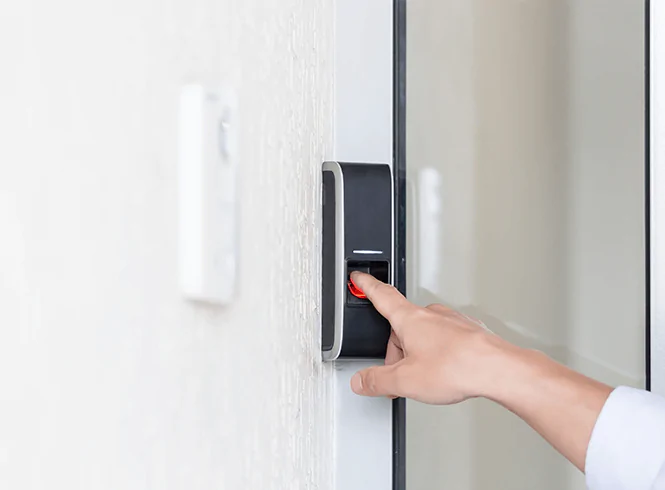
When Keyless Door Locks Can Be Unsafe
- Hacking Risks
Cheap or unbranded models may use weak encryption, making them easier to compromise.
The Solution:
Choose well-known brands with strong security standards and regular updates.
- User Security Issues
Your lock is only as secure as your habits:
- Not updating firmware
- Using an unsecured Wi-Fi network
- Using simple or reused PIN codes
- Battery Failure
Not a burglary risk — but a lockout risk.
- Replace batteries before they die
- Keep the override key accessible
- Choose locks with emergency charging ports
Are Keypad Entry Door Locks Safe?
Yes, keypad locks are generally safe — as long as you use strong codes and maintain the keypad.
Keypad Security Tips
- Use 6+ digit PINs
- Avoid birthdays or common patterns
- Clean the keypad to remove fingerprint smudges
- Change the code regularly
However, very cheap keypad locks can be vulnerable to brute force attempts or visible wear patterns.
Advantages and Disadvantages of Keyless Door Locks
Advantages
- No physical keys to lose
- Easier access for families, guests and carers
- Remote locking from your phone
- Works well with smart home devices (alarms, cameras, automation)
- Allows controlled access for cleaners, builders or Airbnb guests
- Activity logs for greater visibility
- Good for those with mobility issues (no key turning)
Disadvantages
- Dependent on batteries or mains power
- Technical issues (Wi-Fi dropouts, app failures)
- More complex for people uncomfortable with technology
- More expensive than traditional locks
- Codes can be forgotten
- Requires professional installation for best results
Troubleshooting Keyless Entry Door Locks
We will go through some common problems you might have with a keyless door lock and how you might be able to solve them.
The Lock Isn’t Responding
- Replace the batteries, use brand new name brand batteries.
- Check for battery corrosion, if there is some, clean with a cotton bud.
- If it is extremely cold, try warming up the lock with your hands.
- Use the hidden back up key.
Keypad Buttons Don’t Work or Some Buttons Won’t Press
- Wipe the keypad with a soft cloth, do not use cleaning chemicals.
- Ensure the lock is dry. If the lock is not fully weather resistant, try to protect it from the rain.
- If the buttons fails more than once, you might need to replace the keypad.
Smart Lock won’t Connect to Wi-Fi or App
- Move the wi-fi hub closer to the lock.
- Update the locks software through the app.
- Re-pair the phone via Bluetooth before attempting a Wi-Fi reconnect.
Bluetooth Unlocking is Slow or Fails
- Try turning your Bluetooth off and then on again.
- Make sure the app doesn’t need an update.
- Make sure you have location services enabled on your phone.
- Reset the Bluetooth connection in the app.
Should You Get a Keyless Door Lock?
For most homes, keyless locks increase security and convenience, offering better access control, activity logging and remote locking.
However, they may not suit everyone — especially if you prefer simple mechanical systems or are uncomfortable with app-based technology.
If you choose a reputable brand and ensure proper installation, keyless locks are a strong upgrade for modern home security.

- Anti Snap Locks
- Burglary Statistics UK – 2026 Update
- Can Bailiffs Force Entry with a Locksmith?
- Getting a Stuck Key Out of a Lock (Fast & Safe Methods)
- How to Find a Local Locksmith: 5 Essential Tips
- How to Lock and Secure Sliding Patio Doors
- Keyed Alike Locks: What They Are, Pros & Cons
- Keytek’s Guide to the Different Types of Locks
- Locked Out of Car?
- Locked Out of House UK
- Locksmith Terminology Buster
- Stay Insured with the Right House Locks
- Ultimate Moving Home Checklist 2026
- Ultion Locks: The Smart Choice for Maximum Security
- Understanding Mul-T-Lock Products
- Vehicle Crime Statistics UK – 2026
- Why is my Front Door Handle Floppy?
- Why Should you Care about Thumb Turn Locks?
Frequently Asked Questions
Can keyless door locks be hacked?
Yes, technically a keyless door lock can be hacked, but it’s unlikely. A burglar is more likely to use brute force or break a window, as it’s quick and requires less skill.
However, if you use weak passwords, outed software or unsecure Bluetooth, you can make yourself more vulnerable.
Do keyless door locks work without power or Wi-Fi?
Yes, most keyless door locks will work without Wi-Fi or power. There will be battery backups and manual overrides to allow you to unlock the door. However, without wi-fi you will use a lot of the other features that come with a keyless door lock.
What happens if the batteries die on a keyless lock?
If the batteries die on a keyless lock, there will be a manual override or a temporary external power point, to let you gain entry.
Are fingerprint or smart locks safer than traditional locks?
Yes, Fingerprint locks are generally safer than traditional locks. This is because they eliminate the risk of lost keys, are harder to pick and offer other features like real time alerts and remote locking.