From Sheds to Side Doors: The “Secondary Opening” Security Trap

The Hidden Vulnerability
When it comes to home security, it’s easy to focus on the front door. But what about the side door, garden shed, or side gate? These entrances can easily be forgotten when checking how secure your home really is.
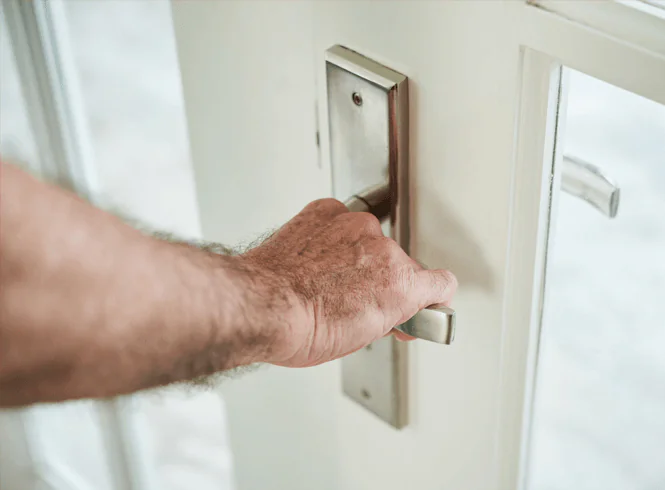
While your front door might be regularly checked, secondary openings can be overlooked until something goes wrong. A stiff lock, a sticking latch, or a door that no longer locks properly might seem like a minor inconvenience. However, these can be signs of wear and tear that shouldn’t be ignored. This is what we call the ‘Secondary Opening Security Trap’. By concentrating on the main entrance, homeowners can miss potential problems with other doors and locks around their property.
Secondary Openings
Our five-year dataset shows that most recorded door-related cases involved main entrance doors, with uPVC doors accounting for 59% and wooden doors for 21.79%. By comparison, internal and side doors accounted for 2% of cases, while sliding and standard patio doors together represented 2.6%. Garage doors accounted for around 0.99%, and gates, cabinets, safes and outbuildings together accounted for 1%. These figures reflect recorded cases rather than the likelihood of a break-in, but they illustrate the range of doors and access points affected by lock-related problems.
Looking specifically at locks, euro cylinder locks accounted for 62.69% of recorded cases. Patio door locks represented around 1.84%, while garage door locks accounted for 1%. Padlocks, cam locks, Digilocks and window locks combined represented around 3.4%. These figures reinforce the importance of looking beyond the front door when considering home security: a side door, shed padlock or patio door lock deserves attention too.
When Should You Worry About a Faulty Lock?
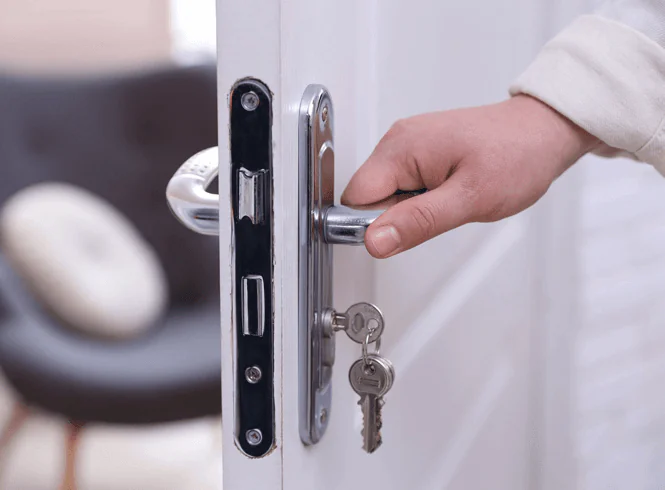
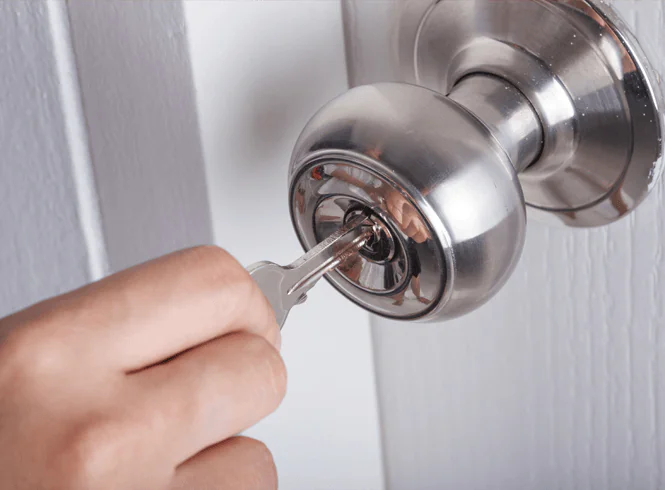
Lock problems don’t always happen overnight. Often, there are warning signs that something isn’t quite right. Making it easy to put off dealing with them until it’s too late. We found that operating issues accounted for 54% of recorded problems. This includes issues such as stiff handles, sticking latches, and difficulties operating a lock. A further 22.48% of cases involved doors that couldn’t be locked, while 19.69% involved doors that couldn’t be unlocked. Think about a side door that needs an extra push before it locks, or a shed padlock that has become increasingly difficult to operate. It might be tempting to keep using it and hope for the best, but forcing a lock can make an existing problem worse. Lock failure was identified as the reason in 28.17% of recorded cases, while key related issues only accounted for 1.66%.
If a lock starts sticking, a key becomes difficult to turn or a door won’t secure properly, it’s worth getting it checked. Dealing with the problem early can help prevent a minor inconvenience from turning into an emergency.
How Can You Avoid the Security Trap?
The good news is that checking your secondary entrances doesn’t have to be complicated. A few simple steps can help you identify potential problems before they get worse.
Check all of your access points – Don’t just check the front and back doors. Include patio doors, side doors, sheds, side gates, and window locks in your security checks. Aim to do this twice a year.
Look out for signs of wear – If a lock feels stiff, a latch sticks or a door is no longer able to close properly, don’t ignore it. These could be signs that the mechanism needs attention.
Keep locks maintained – Make sure that you are following the manufactures guidance for cleaning and lubricating lock mechanisms. If a lock continues to stick or becomes difficult to operate, seek professional advice rather than applying force.
Consider upgrading older locks – If you existing locks are worn or no longer provide suitable security; it may be time to consider replacing them. Anti-snap euro cylinders can be an option for compatible doors, while other secondary entrances may require a different lock.
It is also worth checking that the door, hinges, and locking points are in good condition.
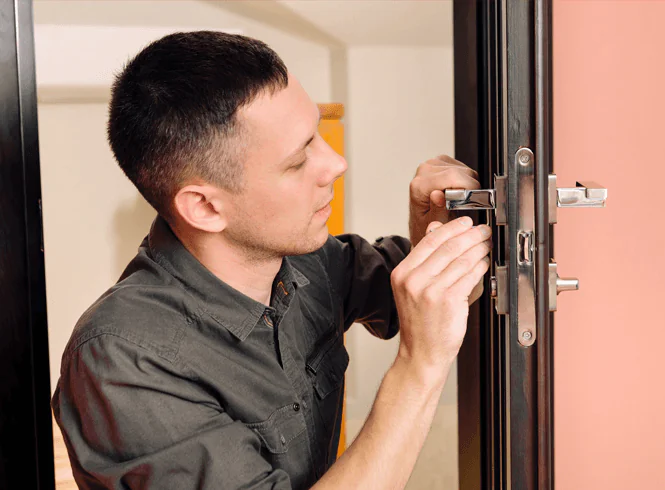
If you are unsure on whether your locks are working as they should be, a professional locksmith can assess the problem and offer advice on what to do.
Don’t Forget the Doors That Get Less Use
It’s easy to overlook the security of secondary openings when your front door gets most of the attention. However, keeping every entrance in good working order is an important part of looking after your homes. Our dataset highlights how frequently operating problems feature in recorded lock related cases. Taking the time to spot warning signs and address faulty locks could save you from an unexpected problem later on.
Take the time to inspect your secondary entrances and if something doesn’t feel right, consider contacting a professional locksmith for advice or a lock health check.

Chloe Harrison
Chloe is the Digital Marketing Executive at Keytek and specialises in creating informative home security content that helps homeowners tackle common lock and door issues with confidence. From practical how-to guides to expert security advice, Chloe focus' on delivering clear, reliable information that is easy to understand.
A Marketing graduate from the University of Kent, Chloe combines strong research skills with insights from Keytek's experienced locksmiths to produce accurate, up-to-date content that homeowners can trust.