

What Is Living In Hull Like? A Guide To Hull
Last Updated October 2025
Kingston-Upon-Hull, more commonly known as Hull, is approximately 203 miles from London and about 64.7 miles east of Leeds. The population of Hull at the time of the 2021 Official Census was just over 256,400.
This port city, where the River Hull meets the Humber Estuary, is in East Yorkshire where it’s renowned for its maritime history, cultural heritage and ongoing regeneration.
Established in the late 12th century as a fishing and trading port, it experienced significant damage in WW II but since its restoration and redevelopment. In 2024, Time Out magazine ranked Hull as the second-best place to visit in the UK.

Brief History of Hull
Dating back to the 12th century, it was known as the Wyke of Hull. Renamed in 1299 by King Edward 1, to Kingston-Upon-Hull, and by the medieval period it had become a prosperous centre for trading wool, grain and lead.
The city had a defining role in the English Civil War, Governor Sir John Hotham’s refusal to admit King Charles I in 1642 sparking the first siege of Hull. By the industrial revolution the docks had expanded and industries like whaling and deep-sea fishing had flourished.
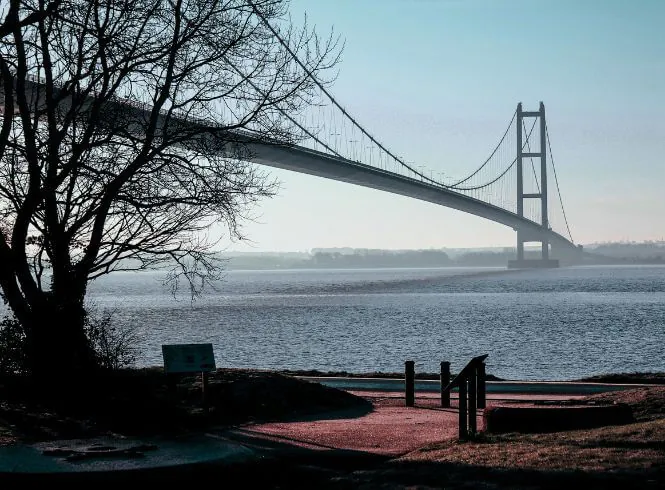
WW II, after the bombing, caused economic decline and traditional industries waned. The opening of the Humber Bridge in 1981 became a new symbol of connection and progress for the city. This was quickly followed by major regeneration projects to both dock and waterfront.
By 2017, Hull had been named the UK City of Culture, a celebration of the city’s adaptability and foresight for the future.
Is Hull a Good Place to Live?
Hull is often regarded as a good place to live; however, it depends on your personal qualities. It is a very affordable city and same can be said for cost of living, both of which are below the national average, it has waterfront properties, cultural attractions, good schools and access to green spaces. Though there are concerns about the crime rates and economic opportunity.
The Positives
- Affordable Living – affordable housing and a lower overall cost of living, making it especially attractive for families, first-time buyers, and young professionals.
- Cultural attractions and City Improvement – As a former city of culture, Hull has revitalised its cultural scene with museums, art galleries, shops and restaurants. The addition of the Fruit Market area has award-winning museums, theatres and live music.
- Proximity to Nature – Hull is surrounded by picturesque countryside. As a relatively flat city and many park and green spaces residents can enjoy easy escapes into green spaces.
- Transport links – commutes are generally shorter compared to other cities, with an extensive bus and rail system.
Things to Consider
- Crime rates – Hull has many safe and welcoming neighbourhoods, but the overall crime rate sits above the national average. As with any urban area, choosing the right neighbourhood and being aware of your surroundings is important.
- Traffic congestion – Although Hull is a compact city. The road network has numerous traffic lights and junctions that slow down journeys on key routes. While cycling and public transport offer good alternatives, drivers may find commuting within the city time-consuming at peak times.
- Isolated location – Located at the end of the M62 corridor, Hull is somewhat isolated from other major UK cities. While it offers good road and rail links to Leeds, York, and London, travel times can be longer. The remoteness of the area could be a drawback for those who value being in the heart of a transport hub.
How Safe is Hull?
Hull has an overall crime rate of 109* per thousand, 50% higher than the national crime rate. It’s comparable to other cities like Brimingham (103 crimes per 1000), Lincoln (104 crimes per 1000) and Boston (112 crimes per 1000).
The most common crimes in Hull are public order offenses, burglary, and violence and sexual offences. Hull’s largest decrease in crimes has been in shoplifting, Criminal damage and arson, and public order.
*Crime statistics vary due to factors such as boundaries, types of crime, and timeframes. Some datasets focus on major crimes, while others include minor offences or traffic-related issues.
Updating Home Your Security
Are you worried about your home security? You can upgrade your home security with simple measures yourself, but for the best protection, it’s always advisable to use a professional locksmith. At Keytek, our fully trained and accredited locksmiths in Hull provide a free home security check with every call-out. Just ask your locksmith for additional security advice, and we’ll be happy to help.
House & Rental Prices: Hull 2025
Rental Prices
As of August 2025, the average monthly private rent across the West Midlands was £646, a up from the previous year by 7.4% at £601 in August 2024.
Average rents by property type were:
- One-bedroom: £466
- Two-bedroom: £577
- Three-bedroom: £690
- Four-bedroom: £919
For specific types, flats and maisonettes averaged £526, terraced properties £638, semi-detached properties £686, and detached properties £895.
Buyer Prices
In July 2025, the provisional average house price in Hull was £133,000, increasing from July 2024 being £126,000 with a 4.3% increase. July 2025 saw detached property prices rise by 5.7%, whilst the average price for flats stayed around the same price over the year.
Average prices for property types were detached £244,000, semi-detached £156,000, terraced £122,000, and flats/maisonettes £80,000.
All figures and average prices taken from ONS
Recommended Places to Live in Hull
Cottingham
- Best for: families, young professionals, students
- Property types: flats, detached and semidetached houses, and historic buildings
About 15 minutes from the city centre of Hull is Cottingham, considered one of the largest villages in England. Founded around 1,400 years ago, it has evolved though Anglo-Saxon, Viking and Norman influences. The village is seen as charming and is known for its churches, events and mix of historic and modern housing.
Benefits
- Offers a village lifestyle with city access. The village is close to main roads and has its own train station providing links to Hull and beyond.
- Access to ‘good’ and ‘outstanding’, well respected schools for primary to collage age children.
- The village has a strong community, hosting regular events and a diverse range of local amenities, including pubs, bars, shops and eateries.
- Access to excellent green spaces and the east Yorkshire countryside, offering a quieter life with modern conveniences.
Hessle
- Best for: commuters, families and married couples
- Property types: detached, semi-detached, and terraced houses, and apartments
Five miles west of hull is the town of Hessle, on the banks of the Humber Estuary. Home to one end of the Humber Bridge, it provides easy access into North Lincolnshire. The town has a long history in shipbuilding which operated until 1994, it was also known for chalk mining which ceased in the 1950’s and the quarry closed in in 1970.
Benefits
- The town offers a ‘village-like’ atmosphere with independent shops, cafes and pubs whilst offering convenient access to city life and strong transport links.
- Surrounded by natural landscapes and the stunning Hessle Foreshore. It is also the starting point for the Yorkshire Worlds Way and is part of the Trans Pennine Trial.
- Excellent access to nature: the Humber Bridge Country Park (aka “Little Switzerland”) and other green spaces.
- Hessle does have a small train station; however, it is small and has more limited services then the train station in central Hull.
Kingswood
- Best for: families, young professionals, and retirees
- Property types: detached and semi-detached homes, modern build flats and terraced homes
About 10 minutes from the city centre, Kingswood is on the northern outskirts of Hull. Primarily built in the 1960’s, it is considered a modern compared to some other areas with ongoing development and continued growth. It is a modern housing estate that is fairly sought after.
Benefits
- Offers family friendly housing and the area is known for being clean and welcoming with well-maintained parks.
- Access to both ‘excellent’ and ‘good’ schools for primary to collage aged children.
- Offers quick links into the city with main roads and public transport links.
- As a more modern build area, it lacks variety for those seeking older or more traditional housing.
Victoria Docks
- Best for: middle class families, working couples, industry professionals
- Property types: detached, terraced, and semi-detached houses, flats, new builds, and retirement homes.
This historic dock opened in 1850, used to accommodate larger ships, has now been turned into a modern residential area. Once a busy industrial and shipbuilding hub, it closed in 1970 then underwent development in 1988 after it was purchased by the council a year earlier.
Benefits
- The location offers scenic views of the River Humber with aesthetic walks, making it an attractive place to live.
- A 10-minute drive into city centre with main road access, plus the train station for wider travel.
- As a more modern waterfront location, there has been significant funding into flood prevention to reduce the risks and damages of tidal flooding.
- The former docklands has been transformed into a 22-acre park. There is also access to a ‘good’ primary school, making the area ideal for younger families.
The Avenues
- Best for: students, young professionals, families, and retirees
- Property types: flats, refurbished houses, large Victorian-style homes, and terraced houses
A sought-after residential area is known for its wide streets and Victorian and Edwardian architecture. The area was a salt marsh until the 13th century, before it was converted into middle-class housing in 1874. With the first avenue opening in 1875, the other Avenues followed a decade later, creating a distinctive mix of architectural styles.
Benefits
- Considered one of Hulls more lively and culturally diverse neighbourhoods with access to local restaurants, bars and cafes
- Boasting wide, tree-lined streets lined with impressive Victorian and Edwardian homes. Its proximity to Pearson Park offering a green space.
- Well-connected to the city centre by bus and is close to the Hull interchange, the central hub for bus and train services.
- With convenient access to the University of Hull, it is popular among students which can often lead to noise form nightlife and a higher rate of anti-social behaviour, including reports of street drinking, drug use, and assault.
Willerby
- Best for: professionals, families, and pensioners
- Property types: terraced, end-of- terraced, semi-detached and detached houses and bungalows.
5-miles for the city centre on the western outskirts of Hull is Willerby. With a mix of modern and traditional builds, it underwent urban development in the 20th-century. The village and civil parish were originally part of Humberside, which was abolished in 1996, and became part of wider Hull and the East Riding of Yorkshire.
Benefits
- A desirable area as it is considered a ‘posh’ area, alongside areas other areas in West Hull like Kirk Ella or Hessle.
- It is known for being a quiet, family-friendly and quiet area with a strong community
- It has access to green spaces and dog-walking trails, it also has the convenience of being close to city convenience.
- Hull has generally low cost of living and more affordable than other cities, with house prices below average for the UK

Cost of Living in Hull
Hull is an affordable city, approximately 33.8% cheaper than London. A one-bedroom flat in the city centre costs around £547 or £480 for a 1 bed flat outside of city centre, per month. For groceries and utilities*, you can expect to spend about £397 each month.**
The East Yorkshire ‘Hull Zone – 30 Days’, a bus ticket that allows bus travel in the Hull Zone for 30 days costs £73, providing full coverage over Hull.
A seasonal train ticket, according to Northen Railway, from Hull to Leeds will start from £448.60.
A single adult living alone can anticipate monthly expenses ranging from £1,126 (outer-city rent and bus pass) to £1,569 (inner-city rent with monthly train ticket), which includes a chain gym membership (From £15.99), social activities and 1 cinema ticket (£9.95) – £159.76). However, these costs can vary based on individual lifestyle choices and spending habits.
Student Costs in Hull
A student bus pass for 1 week cost £20, over 4 weeks or 1 month, this would cost £80. There are other tickets available based on the number of journeys you take.
Based on the figures above, without the utilities cost or Wi-Fi, rent and estimates applied for food, phone bill, leisure activities, a social life and a one-off payment on a student academic bus pass, will cost £803 per month.
Note: for students there are often discounts available and listed above are estimated costs. It will differ based on lifestyle and budget.
Price estimates from numbo
*Utilities: Basic ((Electricity, Heating, Water, ETC) £185.77), Mobile contract (£10.80) and internet (£32.40)
**Based on estimated data and non-smoking groceries for £42.17 weekly shop or £168.68 a month. – these numbers are estimates and will differ depending on lifestyle and your budget.
Studying in Hull
University Of Hull
Ranks: 81st
Top courses: Ranks top 10 in Paramedic Science
Founded in 1927, the University of Hull is the 14th-oldest university in England. Renowned for its progressive outlook and real-world impact, the university leads pioneering research in clean energy, flood resilience, cancer treatment, wound care, and modern slavery. With a strong commitment to sustainability, ethics, and social responsibility, Hull prepares students for dynamic careers in fields such as AI, renewable energy, and social justice.
Rankings from The Complete University Guide 2026– University of Hull
Student Things to Do
Deep
The Deep in Hull has helped improve the city’s image after its industrial decline by creating jobs and attracting tourists, which supports the local economy. Since it opened in 2002, The Deep has welcomed millions of visitors as an educational and conservation charity. It offers conservation education, cares for animals, runs breeding programs, and supports field conservation. It’s a great place for students to take a break from studies or relax with friends.
- Student tickets are £19.50, as a standard ticket will become a 12-moth annual pass for unlimited free re-entry. With a photo taken on your first visit, it will be needed for verification on return visits.
- It is open all year around, even in bad weather, making it ideal for visiting during the off-peak season and having something when the weather turns.
- With over 3,500 animals from pufferfish, loggerhead sea turtles and zebra sharks to dart frogs, Gentoo penguin, Axolotl and a Lake Zacapu garter snake.
Fruit Market
Hull’s Fruit Market started by the water in the 16th century near the waterfront, but it flourished in the 19th century. The fruit trade stayed by the water until 2009, when it moved to Humber Street and the waterfront. Today, the area is filled with food and drink makers and independent shops, making it a great place for students to explore something different.
- The market has plenty of independent stores, covering fashion, art studios, handmade items, plants, attractions, health & beauty, food and drink.
- Events are frequent with live shows, live music, flash boutique sales, and social talks.
- The cafés, restaurants, and public spaces provide a comfortable space to relax, socialize, and engage in outdoor study sessions with nearby coffee.
RockCity
This indoor climbing centre was founded in 1994 and has been active for over 30 years. RockCity has roped climbing, bouldering, and a competition zone, and is about 30 minutes from the city centre by bus. This a great physical activity for students helping to improve focus, fitness and can improve mental health.
- Tickets start at £10 and though there are no student prices, these tickets are for the day.
Trinity Market
Trinity Market, Hull’s second market hall, was opened in 1904 and was expanded in 1950 and 1958. The market was recently refurbished to create a vibrant shopping atmosphere reminiscent of the Old Town. The market also offers street food, attracting footfall alongside traditional traders. It offers unique shops and cosmetics, great for students looking for a casual day out or a walk between studies.
- From unique gifts, ethical supplies, home décor or rare records, you can find anything and everything. It’s a great chance to get some unique décor or clothing for yourself.
- There are frequent events with everything from live music, beer festivals, exhibitions and other seasonal events.
- From sweet treats, coffee, street food and groceries, Trinity Market has food vendors with cuisines from Italy, India, Mexico, Greece and East Asian. There is even more to choose from then what is listed here so perfect for foodies and those wanting a quick bite.
Best Student Nightlife
Polar Bear
Built in 1895, Polar Bear is a Grade II listed pub hosts a variety of live music, from local and international artists alike. ‘The Sesh’ is a long-running music night held every Tuesday with regular free entry nights on Saturdays and other ticketed events.
Partnered with Dough Punks, they sell pizza in the beer garden until late or until they sell on ‘The Sesh’ nights. There is also 2 for £12 on cocktails on Saturdays, making it a great place to enjoy music and drinks.
Spiders Club
Spiders Club, one of Hull’s most iconic nightlife venues, is an alternative late-night spot with great music and a welcoming atmosphere.
It’s a very student-friendly club that has gained a cult following for its eclectic music, affordable drinks, and spirit.
Today, Spiders remains a legendary part of Hull’s music and club scene, known for its eccentric roots, community feel, and love of live music. So, if you like alternative music, cheap drinks, and it’s Saturday, this is the place to go.
The Manchester Arms
In Old Town is The Manchester Arms, a dating back to the 1700s, there is a wide range of drinks with deals on like double up on spirits from £2, 3 ciders for £3.75, 2 Cocktails from £10.50, and 3 shots or Bombs for £8.50 or £9.00.
With board games and a dart board, the fireplace adds to the friendly atmosphere of the pub. The addition of seasonal events makes it a great student night out for those who want to avoid clubs.
LGBTQ+
People in Hull often say the city is welcoming and inclusive, with a vibrant LGBTQ+ community. Hull Pride is a major annual event that celebrates diversity and equality. Throughout the year, several gay-friendly bars and venues provide lively places to socialize like Propaganda and Cherry’s Bar. Many LGBTQ+ residents feel safe and supported here, and they appreciate the city’s open-minded spirit and strong sense of community.
Commute and Connections
Car
The primary commuter routes for Hull involve several A-roads which provide easy connections in and out of the city.
- A15: The main route south and over the Humber Bridge, providing access to Barton-upon-Humber and connects to the M180 and A180.
- A63: Provides access to the M62 the dual carriageway links the city centre to the motorway. It also provides access to: North Ferriby, Elloughton, and South Cave.
- A165: Heading north as far as Scarborough, including: Skirlaugh, Catwick, Beeford and Bridlington
- A1033: Links the docks and the eastern areas of Hull: Keyingham, Ottringham, Patrington and Withernsea.
- A1079: The primary route for North York and surrounding areas: Bishop Burton, Shiptonthorpe, Barmby Moore and York.
Walking & Cycling
The flat landscape of Hull and expanding eco-friendly routes make it ideal for traveling the city without a car.
Cyclists – protected lanes on roads, quiet street routes, and new CYCLOPS junctions make cycling easy and safer for commuters. With Ride-to-Work schemes, it is an affordable and sustainable option. Both Visit Hull and Travel Hull offer detailed maps and route guides.
Walking – footpaths and shortcuts via parks make Hull an accessible city for those commuting on foot. Commuting through green spaces like East Park, Pearson Park, and West Park
Bus
There are two main bus services in Hull, East Yorkshire and Stagecoach. Both services operate in around Hull, providing access around the city, surrounding towns and into further East Yorkshire.
Train
Hull Paragon Station is the main station from the city centre, providing routes to major cities and towns: Leeds (approx. 1 hour 30 minutes), York (approx.1 hour 20 minutes), Doncaster (approx. 1 hour) and Doncaster (approx. 1 hour).
Operated by Hull Trains, LNER, Northen Rail and TransPennine Express who each have their own maps for connecting rail services.
Working in Hull
Hull stands out in renewable energy, especially offshore wind, creating jobs and helping the UK meet its green energy targets. The University of Hull also supports the local economy by leading research and innovation.
The city’s advanced manufacturing sector is growing, thanks to modern facilities and skilled workers. As a logistics hub, Hull supports trade and smooth supply chains.
Other important industries include digital, creative, healthcare, life sciences, retail, and hospitality.
The UK Careers Fair offers insights into Hulls’s key industries and what it’s like to work in there.
Hull Landmarks
Planning a trip to Hull? From its striking waterfront to its rich maritime heritage, this East Yorkshire city blends history, culture, and modern charm. With impressive architecture, vibrant museums, and a thriving arts scene, Hull offers plenty to explore.
History and Culture
Museum Quarter
On the cobbled streets of the old town is Hull’s Museum Quarter, a historic area with three free museums: Wilberforce House, Hull and East Riding Museum, and Streetlife Museum of Transport. Each offer a unique experience. Each of the museums offer unique experiences, displays and gift shops. Also, home to the Peace Gardens, it is a place for history lovers to explore at leisure.
What’s There:
- Hull and East Riding Museum of Archaeology – See 235 million years of history, tracing the natural and human history of the region from the Triassic to the Civil War, medieval, and early modern Hull. Interact with real fossils, explore a replica Roman town square, and see a Viking sword and tools; there is plenty more to see. With guided tours and seasonal events, it is a great historic day out.
- Street-Life Museum – Explore Hull’s 200-year transport history, from horse-drawn carriages to early bicycles and steam-powered cars. Explore the evolution of the bicycle and its connection to Hull’s history. Visit the Carriage Gallery, Motor Car Gallery, Street-scene Gallery, and Railway Gallery to see life in reconstructed high streets and rail-related items. Guided tours, family and community events, and temporary exhibitions are just some of the events held here.
- Wilberforce House Museum – This historic museum explores the transatlantic slave trade and its lasting impact. Discover eight galleries* featuring Hull and East Riding’s best silverware, clocks, and furniture, as well as the story of the East Yorkshire Regiment, local history, and Edwardian Hull. Visitors can participate in events like guided tours, temporary exhibitions, and family events.
Ferens Art Gallery
Spanning over 700 years, the Ferens Art Gallery showcases everything from world-renowned masterpieces to work from local artists. Its Children’s Gallery offers an interactive space where young visitors can explore art through shape, colour, and texture, while the Artist in Residence programme invites contemporary artists to create new works inspired by the gallery’s rich collections.
What’s There:
- The gallery also includes dedicated spaces for Victorian and Edwardian art, maritime art, modern and contemporary works, an Artist’s Studio, and a Calm Gallery.
- The events have something for everyone with guided tours, temporary exhibitions, family events, artist talks and workshops.
- With notable and rare art pieces like Pietro Lorenzetti’s “Christ Between Saints Paul and Peter,” among other works by European Old Masters and British artists.
- Ferens is a free museum with accessible facilities like wheelchairs, assistance dogs, and audio guides
Hull Minster – Holy Trinity Parish Church
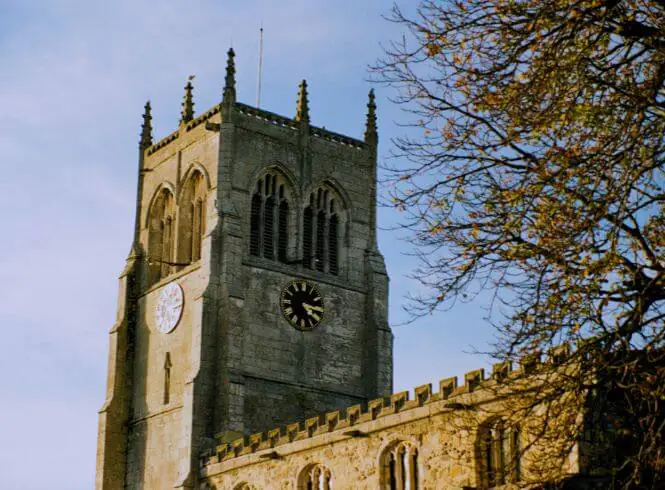
Hull Minster, formerly known as Holy Trinity Parish, is a 700-year-old parish church in Kingston upon Hull, renowned for its medieval architecture and community connection. Designated a Minster in 2017, it features the Grand Organ and has undergone recent renovations.
What’s There:
- There is plenty to see from sainted glass windows, the grand organ, floor carvings, art installations and much more.
- Frequent events are held at night form family events, exhibitions, concerts and markets, and live concerts and recitals.
- Book a tour of the Hull Minster tower and climb 180 steps for a panoramic view of Kingston-Upon-Hull and the nearby landscape. See the bell chamber and see the clock mechanism at work.
Local Life & Leisure
Old Town
Hull’s Old Town is a charming area where Georgian, Victorian, and Edwardian architecture tell the story of the city’s past. Visitors can explore free museums, the historic Hepworth Arcade, and notable Civil War sites such as Ye Olde White Harte.
What’s There:
- Ye Olde White Harte, one of Hull’s most historic pubs, is famed for its wood-panelled rooms and its role as a key meeting place during the 17th-century English Civil War.
- There is something for everyone, from hip cocktail bars to traditional inns serving Yorkshire ales, or you can browse independent boutiques in the Victorian-era Hepworth and Trinity Arcades.
Little Astronauts
Little Astronauts is a space-themed adventure for children and families, with interactive play zones, a science wall, and a giant 3.5m interactive screen with over 20,000 sensors. The play area offers digital games for children aged 0 to 12.
What’s There:
- Sensory Spaceship – a calming light and break away zone with a gentle atmosphere with interactive projection games. SEND sessions provide a calm interactive environment ideal for special need and disabled children
- A café and restaurant – a reasonably priced place to eat and drinks, with pizza, loaded fries, kid’s meals and light bites. It is the ideal place for a quick bite or full meal.
- Multiverse – a thrilling, high-energy interactive game zone for kids, featuring visuals, fast-paced challenges, and endless fun on a 3.5-meter screen.
- Children under 6 months go for free and under 12 months start at £3. Adults start at £2.50 and SEND sessions start at £9.95. Alternatively, an Astroclub membership is a great way to save money and get exclusive offers.

Local Insight- Hull the UK’s Lost Key Capital
Our data reveals that if you live in Hull, you are statistically more likely to find yourself staring at a locked door with empty pockets than anywhere else in Britain.
Nationally, lost keys account for 8.85% of locksmith calls. In Hull, lost key jobs make up a whopping 86%. This means residents in Hull are 45% more likely to lose their keys than the national average.
A 5-Year Study on Yorkshire's Lost KeysLocksmith Hull
Your local Hull locksmith will help you in any lock-out and lock repairs for your home and business. Whatever your emergency is, Keytek® Locksmiths Hull provide a professional local mobile Locksmith service complying with British Standard and Home Insurance policies to ensure your home is as secure as can be! What’s more, is all our customers benefit from a FREE home security check on-site to ensure your home is as secure as can be!
There are many other things you need to consider, including moving houses, so check out our Moving Home Checklist to help you along the way! If you’re considering improving the security of your home further still, checking out our Ultimate Guide to Home Security here!
View our Keytek® Locksmiths Hull page to find your local Locksmith today or call us on 01482 429725!
Locksmith Hull

Jessica Davies
Jessica brings over six years of specialised expertise to Keytek's comprehensive UK location guides, combining meticulous research with genuine local insight. As the architect behind Keytek’s area profiles, she delivers essential intelligence on house prices, crime statistics, schools, and community character—everything you need to know about the city or town. Armed with a photography degree from the University of Brighton and an exhibited portfolio, Jessica approaches each location asking, "What would it be like to live here?" This perspective transforms dry statistics into lived experience, revealing not just what places cost, but what they truly offer. Since 2019, Jessica has partnered with Keytek®'s security professionals, weaving real-world safety expertise into every guide. Her work addresses practical realities: Is this neighbourhood genuinely safe? What security considerations matter? How does local infrastructure support daily life? From bustling cities to quiet villages, Jessica's field research uncovers authentic local character. Her commitment to accuracy and on-the-ground investigation has established her as a trusted voice—helping people navigate different locations across the UK and home security with complete confidence.
Frequently Asked Questions
Is Hull a good place to live?
Yes, Hull is considered a good and affordable place to live. It offers low housing costs, strong cultural attractions, and good transport links, though crime rates and limited economic opportunities are considerations.
Is Hull safe?
Hull has an overall crime rate of around 109 per thousand people, about 50% above the national average. Many neighbourhoods are safe, but residents should choose locations carefully and stay aware, as in any urban area.
What are Hull’s main industries?
Hull’s key industries include renewable energy (especially offshore wind), logistics, manufacturing, digital and creative sectors, healthcare, and higher education.
How can I travel around Hull?
Hull has excellent local transport: extensive bus routes (East Yorkshire and Stagecoach), Hull Paragon rail station connecting to major UK cities, and safe walking and cycling routes supported by eco-friendly infrastructure.