
The Summer Mystery: Why You Are More Likely to Lose Keys in May and June

As summer approaches and we enjoy the longer and warmer days, many homeowners will be spending more time outdoors, going on holiday and attending events. This is when locksmiths notice an upturn in calls for people losing their house keys. May and June are the lost key months!
But why does this happen, and what can homeowners do to protect themselves?
In this guide, we’ll explore why people are more likely to lose their keys during the summer months and share practical home security tips to help keep your property secure.
Why Are Keys More Frequently Lost in May and June?
The answer is largely linked to changes in our routines.
During the colder months, people tend to follow predictable schedules. We commute to work, return home, and spend more time indoors. However, once spring transitions into summer, our habits change dramatically.
During the colder darker months peoples tend to follow similar patterns and schedules. You commute to work, come straight home, generally spending more time indoors. However, once the warmer months start your day-to-day habits might change dramatically.
More Outdoor Activities
From garden BBQs, festivals and beach days, summer is filled with lots of opportunities for days out. With this increased movement between locations, keys will be transferred between bags, pockets, cars and people.
The more keys are handled and moved, the more likely they are to be misplaced. Hence the upturn in calls for locksmiths.
Lighter Clothing Means Fewer Secure Pockets
One overlooked reason for losing keys is clothing choice. Heavy winter coats often have deep, zippered pockets that securely store keys. In contrast, shorts, lightweight trousers, and summer dresses frequently provide less secure storage.
Keys can easily fall out when sitting in parks, restaurants, or public transport.
Busy Family Schedules
May and June are packed with school events, sporting activities, holidays, and social gatherings. As schedules become busier, people are more likely to become distracted.
When you’re rushing between commitments, it’s easy to leave keys on a café table, in a changing room, or inside a vehicle.
The Home Security Risks of Lost Keys
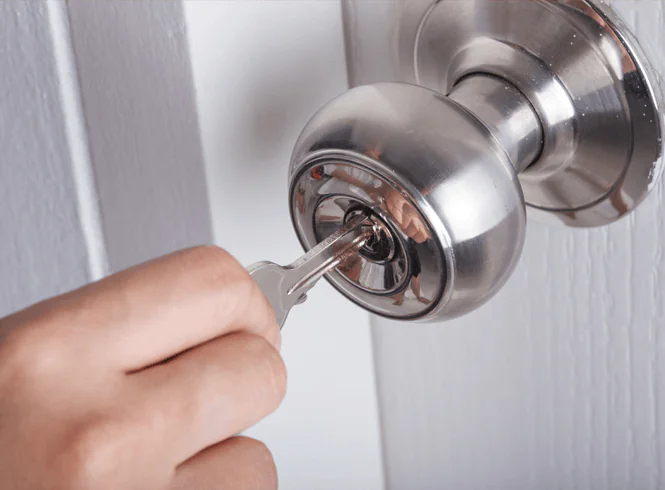
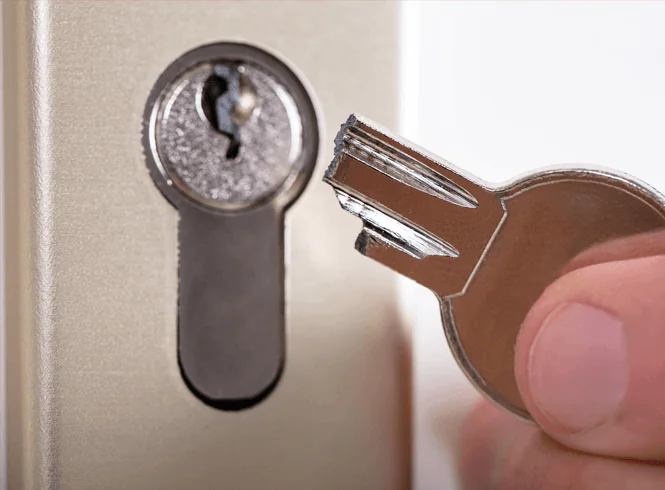
Losing keys is not just inconvenient, it can create serious home security risks.
If your keys are lost alongside identifying information such as a driving licence, address label, or documents, someone could potentially gain access to your property.
Even if your address is not immediately obvious, homeowners should never assume lost keys are harmless.
Unauthorised Access
A lost key may eventually find its way into the wrong hands. If there is any possibility that the keys could be linked to your property, replacing or rekeying locks should be considered.
Increased Burglary Risk
Opportunistic criminals often look for easy entry points. A misplaced key can provide direct access without signs of forced entry.
This makes it especially important to act quickly when keys disappear.
Delayed Emergency Access
Many homeowners keep spare keys hidden outside the property. Unfortunately, burglars are familiar with common hiding spots such as under flowerpots, doormats, and garden ornaments.
If your primary key is lost, relying on poorly hidden spare keys can further weaken your home’s security.
What To Do If You Lose Your House Keys
If you’ve lost your keys, taking immediate action can significantly reduce security risks.
1. Retrace Your Steps
Check recent locations you have visited, including:
- Shops
- Restaurants
- Gyms
- Workplaces
- Public transport
- Friends’ homes
Many lost keys are recovered within the first few hours.
2. Assess the Security Risk
Ask yourself:
- Were any documents with your address lost at the same time?
- Is your keyring identifiable?
- Could someone easily connect the keys to your property?
If the answer is yes, consider contacting a professional locksmith immediately.
3. Replace or Upgrade Locks
Modern lock replacement is often faster and more affordable than homeowners expect.
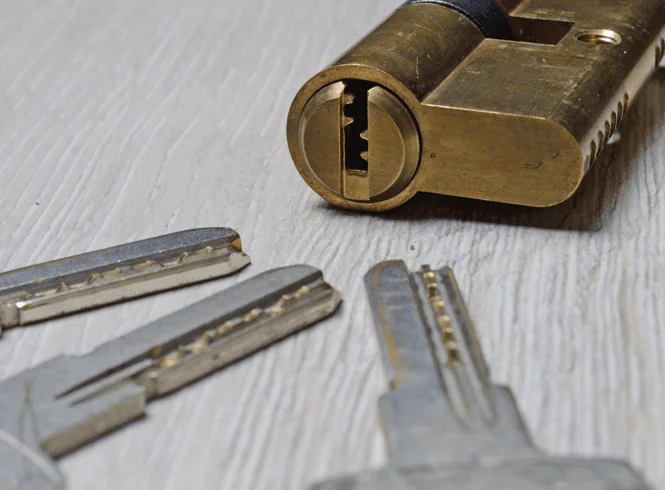
Many security specialists recommend upgrading older locks to modern anti-snap, anti-pick, and anti-bump cylinders, particularly if your property still uses outdated locking systems.
4. Update Spare Key Arrangements
Avoid leaving spare keys in predictable outdoor locations.
Instead, consider:
- Leaving a spare with a trusted family member
- Using a secure key safe
- Installing smart access solutions
Simple Habits That Prevent Lost Keys
A few small changes can dramatically reduce the likelihood of losing keys.
Create a dedicated storage spot, always place keys in the same location when arriving home.
Popular options include:
- Key hooks
- Entryway trays
- Wall-mounted organisers
Use a Key Finder
Bluetooth tracking devices can help locate misplaced keys within seconds using a smartphone app.
Minimise Key Clutter
Large keyrings with unnecessary keys are more likely to be dropped or forgotten. Carry only the keys you regularly use.
Perform a Quick Check Before Leaving
Before leaving any location, get into the habit of checking for:
- Phone
- Wallet
- Keys
This simple routine prevents many common losses.
Protect Your Home This Summer
The increase in lost keys during May and June may seem like a seasonal mystery, but it is largely driven by busier lifestyles, more outdoor activities, and changes in daily routines.
While losing keys can happen to anyone, taking proactive steps to improve your home security can significantly reduce the risks. Whether that means upgrading locks, installing smart security systems, or simply creating better habits, prevention is always easier than dealing with the consequences of a security breach.

Kim Freeman
Kim is Keytek’s longest-serving security blogger, with nearly a decade of hands-on experience in the security industry. Over the past 9 years, she has built trusted relationships with locksmiths and security professionals across the UK, giving her exclusive insight into the latest trends, technologies, and best practices in home security.
From traditional burglary prevention methods to cutting-edge smart home solutions, Kim covers it all. As part of her role, she regularly reviews the newest home security gadgets on the market—including smart doorbells, security cameras, and more—bringing readers honest, practical advice on how to protect their homes.
Kim’s passion for security was sparked during her time at the University of Chester, where she learned first-hand how vulnerable student housing can be to break-ins. That early experience inspired a lifelong interest in home protection, eventually leading her to join the team at Keytek.
Today, Kim combines her deep industry knowledge with a love for writing to deliver helpful, accessible content for homeowners across the UK. You can read all of her expert advice and top security tips at Keytek.co.uk, where she shares everything from seasonal safety guides to reviews of the best security products on the market.