
Will a Locksmith Drill My Lock? (And Can It Be Avoided?)

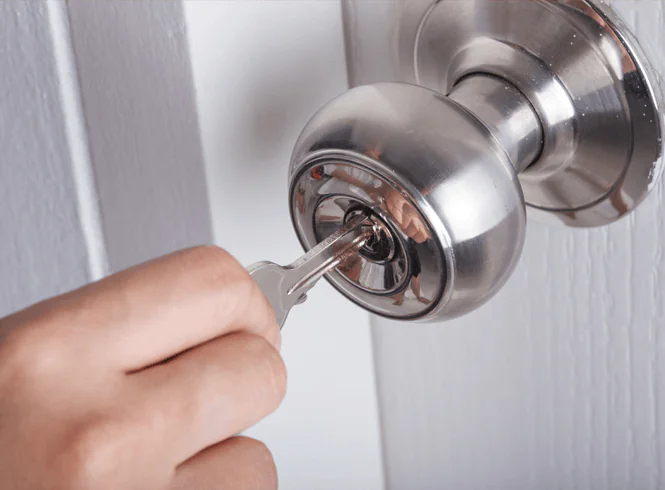
Getting locked out is an instant stress. Beyond an inconvenience, the fear of the locksmith cost sets in. You might find yourself wondering, is the locksmith going to drill my lock? Am I going to have to pay for a whole new lock?
The good news is that for a professional locksmith, destructive entry is always a last resort. Here is everything you need to know when you are locked out and how to spot a drill happy locksmith scam.
Do Locksmiths Normally Drill Locks?
In short, no. A reputable, skilled locksmith will always prioritise non-destructive entry where possible, only ever reaching for the drill as a last resort.
Drilling a lock to gain entry does require a complete lock replacement, which is why trusted locksmiths will use a range of different non-destructive entry techniques, even trying different doors before getting the drill out.
Professional locksmiths prefer non-destructive entry methods such as:
- Lock picking
- Lock bypass techniques
- Key decoding
- Key extraction
- Lock manipulation tools
4 Reasons Why a Locksmith Might Need to Drill
Whilst non-destructive entry is always the goal, some situations can make drilling the only option.
- Mechanical Failure
If the internal mechanism of the lock is broken, rusted, or worn out then the other techniques may not work. In this case, the locksmith will have to drill the lock to successfully open the door.
- High Security Features
Modern high security locks (like anti-snap and British Standard) are designed to repel entry techniques. Whilst it’s there to keep your home safe, it can pose a problem for locksmiths. This can make non-destructive entry techniques nearly impossible.
- DIY Damage
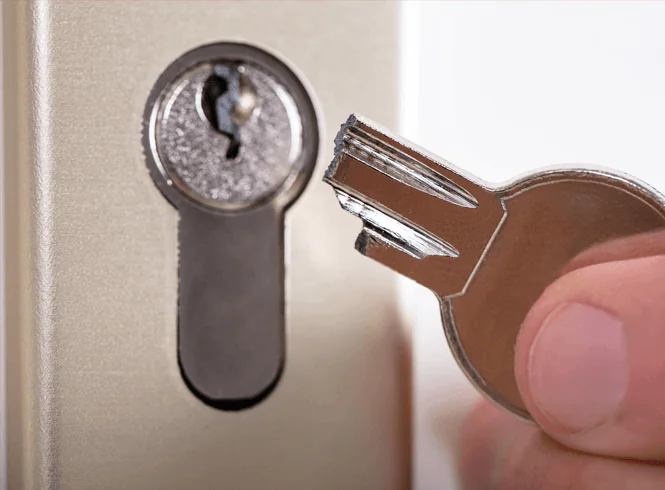
If you’ve tried some DIY entry techniques, you may have potentially damaged your lock which could have rendered it unable to be opened non-destructively.
- Seized or Weathered Locks
External damage such as rust or corrosion can essentially fix the lock in place, where it would need to be replaced.
What Happens When a Locksmith Drills a Lock?
If drilling is necessary, a professional won’t just “go to town” on your door.
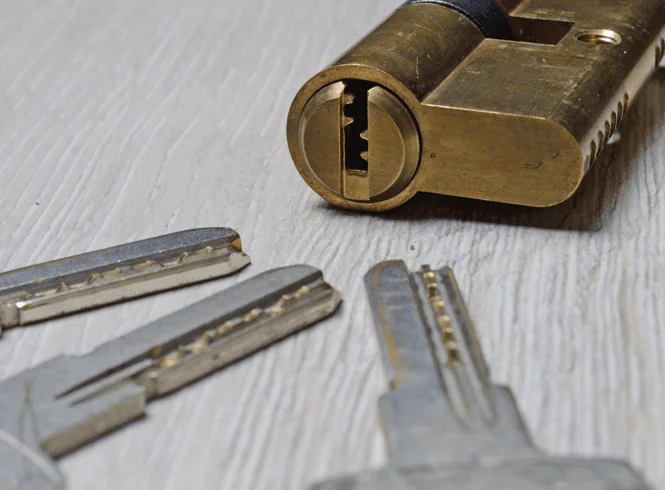
- Surgical Precision: They will drill a small hole at a specific “shear line” to neutralise the pins.
- Clean Entry: The door is opened without damaging the actual wood or metal of the door—only the lock cylinder is sacrificed.
- Immediate Replacement: A prepared locksmith carries “stock” cylinders on their van and will install a new lock and provide new keys immediately.
Can Drilling a Lock Be Avoided?
Beware the locksmiths who arrive and immediately reach for the drill, this unfortunately is a common locksmith scam, where they are looking to pad the bill with services that you don’t need.
When looking for a locksmith, look for ones that prioritise non-destructive entry, and can give you a clear idea of pricing before coming out.
Ways to Protect Your Locks:
- Don’t DIY: As tempting as it is to be MacGyver, stop. You are more likely to break a spring than to pop the latch.
- Annual Maintenance: Use a dry PTFE-based lubricant (avoid WD-40, as it attracts gunk) to keep the pins moving freely.
- Address “Sticky” Locks Early: If your key requires a “wiggle” to work, the lock is failing. Replace it now on your own terms before it fails completely and forces a lockout.

Kim Freeman
Kim is Keytek’s longest-serving security blogger, with nearly a decade of hands-on experience in the security industry. Over the past 9 years, she has built trusted relationships with locksmiths and security professionals across the UK, giving her exclusive insight into the latest trends, technologies, and best practices in home security.
From traditional burglary prevention methods to cutting-edge smart home solutions, Kim covers it all. As part of her role, she regularly reviews the newest home security gadgets on the market—including smart doorbells, security cameras, and more—bringing readers honest, practical advice on how to protect their homes.
Kim’s passion for security was sparked during her time at the University of Chester, where she learned first-hand how vulnerable student housing can be to break-ins. That early experience inspired a lifelong interest in home protection, eventually leading her to join the team at Keytek.
Today, Kim combines her deep industry knowledge with a love for writing to deliver helpful, accessible content for homeowners across the UK. You can read all of her expert advice and top security tips at Keytek.co.uk, where she shares everything from seasonal safety guides to reviews of the best security products on the market.