
The Letterbox Trap: Why we lose keys to our secondary locks more than our front doors

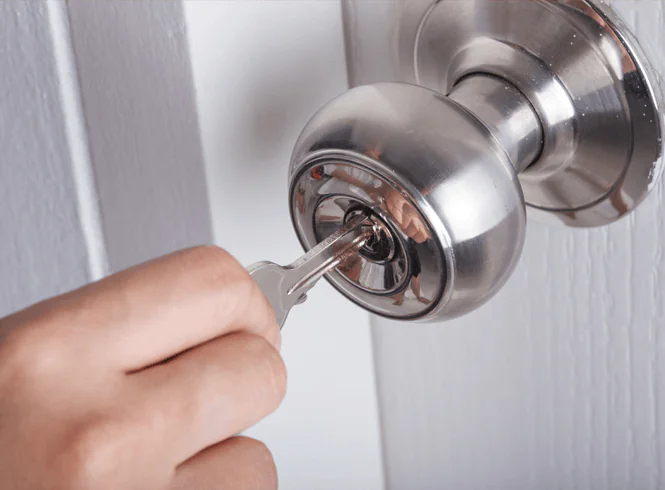
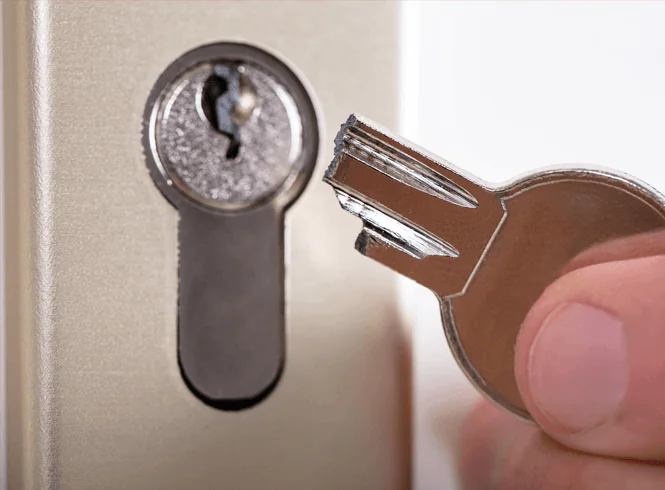
While it’s true that a lot of the time you need a locksmith, it’s because you’ve locked yourself out of your front door. However, you might be surprised to know that a large number of the calls Keytek gets are for ‘secondary lock’ problem. The back door, the garage or even a window can be the cause of your lock out. We call this the ‘The Letterbox Trap’, the pattern of homeowners consistently losing their secondary keys more than their main one.
Secondary Keys
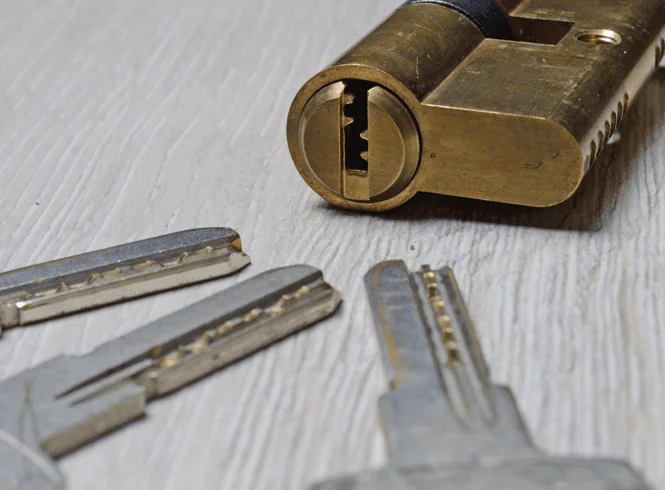
Secondary key are often the ones that are lost because we use them less there is a higher chance of misplacing them. The reasons you might lose your secondary keys could be;
- Left in less secure places
- Shared between multiple users
- Carried inconsistently
- Stored separately from main keyrings
Over time, this creates a higher chance of misplacement, especially during rushed or low-attention moments.
Why We Protect Front Door Keys More Carefully
Most people instinctively treat their front door key as essential. It’s usually:
- On a dedicated keyring
- Stored in a consistent pocket or bag
- Rarely handed to others
- Often duplicated carefully
All this means you have stronger habits with your front door key. Psychologically your front door key is your security, so you prioritise it. The second locks in your home might not have that same level of meaning to you and are used less, so those habits don’t bed in.
Why Secondary Lock Keys Are Lost More Often
There are both practical and behavioural reasons why secondary keys are lost more frequently.
- Lack of Use
Unlike your front door key, your secondary keys won’t be used every day, meaning you don’t build a consistent routine around them. Instead, their use is situational, gardening, taking the bins out or going to the garage for example. This means the key is often placed somewhere temporary. This lack of routine increases the risk of the keys being misplaced.
- They are treated as “less important”
You probably subconsciously prioritise your front door key, because of this your secondary keys are often;
- Left on work surfaces
- Stored separately from main keys
- Handed between family members without tracking
- Kept in “safe for now” places that aren’t actually safe
This reduced sense of importance directly impacts how carefully the keys are handled.
- Shared access increases loss risk
Your back door and garage door keys are often used by multiple people in the household. Typically, the more people that handle the key, the more likely it is to get lost. This is especially common in shared homes, families with teenagers, or households where tradespeople regularly need access.
- Outdoor environments are less controlled
Keys for sheds, gates, and garages are often used outside. Outdoor environments increase distraction phones, tools, bags, weather and make it easier to forget where a key was last placed.
How to Improve Secondary Lock Security and Reduce Key Loss
The good news is that this problem is preventable. A few simple changes can significantly improve both organisation and home security.
- Create a consistent key system
One of the most effective solutions is consistency. Use a single, organised keyring system for all household keys, including secondary locks. Avoid separating them unless absolutely necessary.
- Designate a fixed storage location
Install a key hook board or secure storage point near your main entrance. Every key should return to the same place immediately after use.
This removes uncertainty and builds a reliable habit.
- Avoid temporary placement habits
The most common way keys are lost is through “just for a second” placement. Avoid putting keys on garden walls, shelves, plant pots, or inside doors.
- Consider upgrading secondary locks
If you frequently lose access keys, it may be worth upgrading to higher-security or keyless systems. Options include:
- Digital keypad locks
- Smart locks with app control
- Combination padlocks for sheds or gates
These reduce reliance on physical keys entirely.
- Keep spare keys secure
Hidden spare keys are a major security risk. Instead, use a properly installed key safe if you need emergency access options.
Final Thoughts
Losing secondary lock keys isn’t just bad luck, it’s a predictable pattern caused by inconsistent habits, reduced perceived importance, and everyday distractions. While front door keys are handled with care and routine, secondary keys often fall through the cracks.
Improving your home security doesn’t always require major upgrades. Sometimes, it starts with something as simple as how you store and manage your keys.

Kim Freeman
Kim is Keytek’s longest-serving security blogger, with nearly a decade of hands-on experience in the security industry. Over the past 9 years, she has built trusted relationships with locksmiths and security professionals across the UK, giving her exclusive insight into the latest trends, technologies, and best practices in home security.
From traditional burglary prevention methods to cutting-edge smart home solutions, Kim covers it all. As part of her role, she regularly reviews the newest home security gadgets on the market—including smart doorbells, security cameras, and more—bringing readers honest, practical advice on how to protect their homes.
Kim’s passion for security was sparked during her time at the University of Chester, where she learned first-hand how vulnerable student housing can be to break-ins. That early experience inspired a lifelong interest in home protection, eventually leading her to join the team at Keytek.
Today, Kim combines her deep industry knowledge with a love for writing to deliver helpful, accessible content for homeowners across the UK. You can read all of her expert advice and top security tips at Keytek.co.uk, where she shares everything from seasonal safety guides to reviews of the best security products on the market.