
Don’t Ignore the Sticky Locks: 59.2% of Calls are for Locks that Still ‘Sort of’ Work

The Illusion of Security
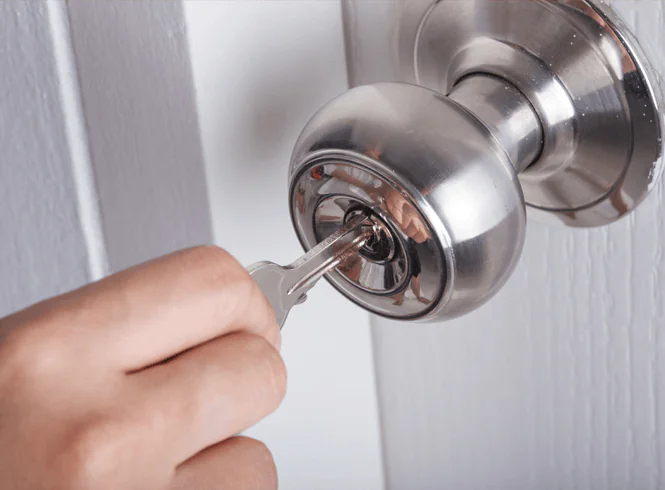
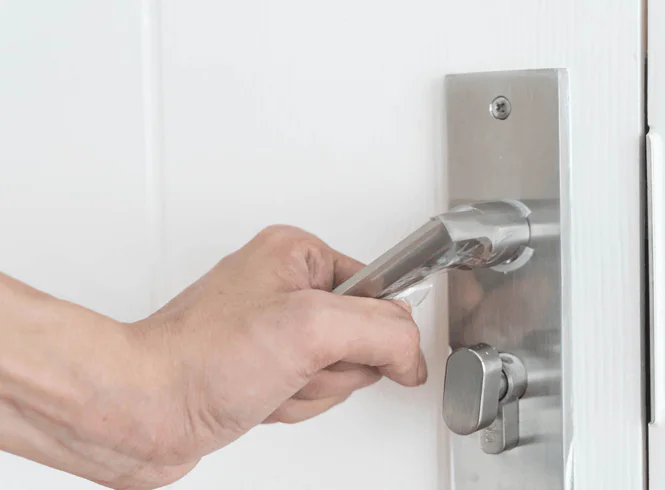
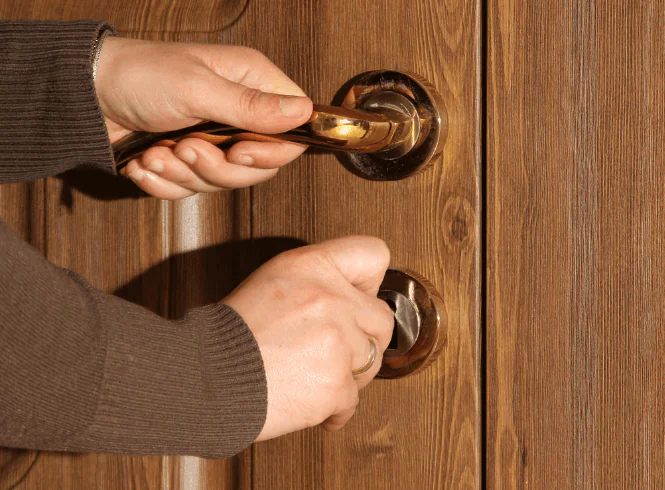
The key goes into the front door, but it doesn’t turn as smoothly as it once did. You give it a little wiggle. Maybe you pull the door towards you. Or perhaps the handle needs that extra upward tug before everything finally engages.
The door opens. The door closes. The lock still works. So, you carry on.
That is precisely where the problem can begin. A front door lock sticking is easy to dismiss because the immediate consequence seems minor. There is no dramatic failure, no broken key and no sudden lockout. Just a little resistance that becomes part of your daily routine. But locks are mechanical systems. When they become progressively harder to operate, that resistance can be an early indication of wear, misalignment or developing component failure. Our analysis of five years of UK locksmith service calls reveals just how common this pattern is.
According to our last 5 years of our locksmithing data, general repairs and fault diagnosis account for 39.64% of total locksmith service volume nationwide, while 59.2% of calls involve locks that are still functioning but actively malfunctioning. In other words, many homeowners don’t call because their lock has already failed. They call because something has changed. The key has become difficult to turn. The handle feels stiff. The door needs to be pushed or pulled before it will lock. These are the moments that are easy to overlook, and potentially the moments when intervention is simplest. We call the financial and practical consequence of waiting the procrastination tax. The longer a deteriorating locking system is left alone, the greater the chance that a manageable problem eventually becomes an urgent one.
Anatomy of a Slow Failure
A lock failure is not always an instant event. Often, there is a period where the hardware is technically operational but increasingly difficult to use. Our Locksmithing Census found that 59.2% of calls are for operational but malfunctioning hardware. That distinction is important. A lock can still secure a property while simultaneously showing signs that something inside the system isn’t operating as it should.
The First Warning is Usually Resistance
More than 54% of all repair jobs originate as simple ‘problems operating’, including stiff keys and stubborn handles. These aren’t necessarily dramatic faults. In fact, that’s why they’re so easy to ignore. A homeowner might notice that the key is harder to turn than it was six months ago. Then the door needs a slight pull while the key is turned. Later, the handle needs lifting more firmly. Eventually, what was once a smooth movement becomes something that requires concentration and force. The hardware hasn’t suddenly failed. It has deteriorated gradually. Making changes at the start one of the most useful warning signs a homeowner can recognise.
Door Type Vulnerabilities
Different door systems experience different forms of stress, and our data shows some of the clear differences.
uPVC Doors
uPVC doors account for 47.07% of all locksmith interventions. Within uPVC repairs, 52.3% are attributed to ‘problems operating’. That is significant because modern uPVC doors commonly use multipoint locking systems. Rather than relying on a single locking point, the mechanism operates several points around the door. When the door, frame or locking points move out of alignment, the system can become progressively more difficult to operate. Thermal expansion can add to that pressure. As temperatures change, the door and frame can move subtly, affecting how smoothly the locking points engage. What begins as a handle that feels slightly heavier can develop into a much more serious mechanical problem.
Wooden Doors
Wooden doors represent 21.8% of repairs in our dataset. However, they show a higher tendency for immediate ‘can’t unlock’ crisis’s, accounting for 23.9% relative to uPVC doors when structural fatigue sets in.
The lesson isn’t that one material is inherently better or worse. It is that different doors can develop different failure patterns, and the early symptoms are worth paying attention to regardless of the material.
The Three Stages of Lock Failure
Most homeowners don’t deliberately wait for a lock to fail. They simply don’t realise that the problem has progressed far enough to matter. The following three stages illustrate how a relatively minor operational issue can develop into an emergency.
Stage 1: The Warning
This is the easiest stage to overlook, and potentially the easiest to address. You might describe the lock as slightly stiff rather than faulty. The key still turns. The handle still moves. But something feels different.
At this point, our data shows a 92% repairable rate, with alignment adjustments capable of resolving the issue without purchasing new parts. The important word here is warning. You are being given an opportunity to act before the hardware dictates what happens next.
Stage 2: The Failure
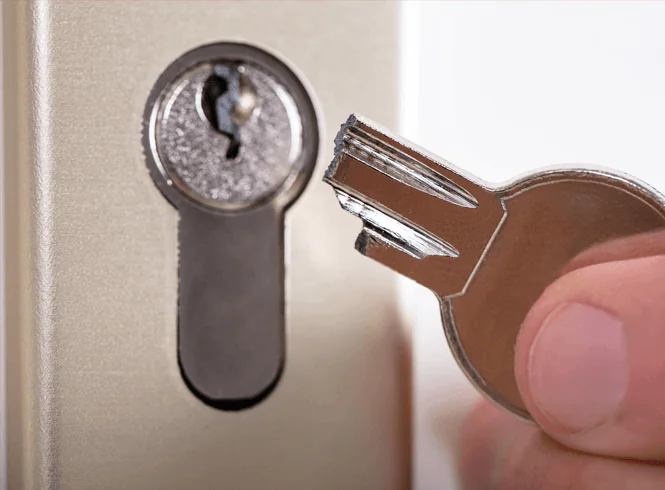
At the next stage, the mechanism has moved beyond simply being difficult to operate. An internal component can seize, or a key can snap inside the cylinder. The situation is now reactive rather than preventative. The average cost rises to £184.60, while 65% of cases require replacement of localised broken components.
More importantly, the homeowner no longer gets to choose a convenient time to deal with the problem. The door needs attention now.
Stage 3: The Crisis
A complete lockout is the point at which the inconvenience becomes an emergency. A catastrophic gearbox breakdown or structural failure can prevent the locking system from operating altogether. The average cost reaches £210.40+, while 85% of cases require replacement, including full multi-point hardware replacement where necessary. There may also be the added expense associated with emergency, out-of-hours attendance.
The Procrastination Tax
This is where the economics become particularly interesting. Homeowners pay an immediate 10–15% premium simply by waiting for a lock to cross the threshold from a Stage 1 ‘problem operating’ (£159.64 average) to a Stage 3 ‘can’t unlock’ emergency (£173.26 average). But the real cost isn’t always measured in pounds. It can mean rearranging work, waiting for an emergency appointment, being unable to access your property or making decisions about replacement parts under pressure. A small operational issue gives you options. A complete failure takes those options away.
Why Do Locks Stiffen?
If your door lock is not working as smoothly as it once did, the cause isn’t necessarily obvious from the outside. The locking mechanism is a system of interacting components, and several factors can increase the load placed on it.
The Euro-Cylinder & Multipoint Weakness
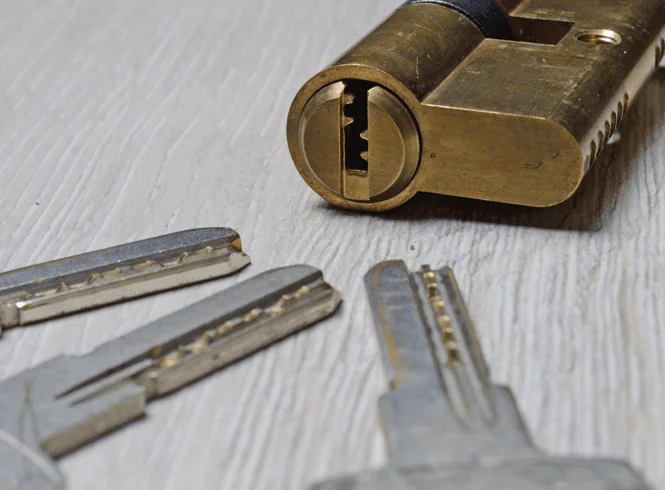
Euro-cylinder-based multipoint systems dominate the uPVC market. Their design provides multiple locking points around the door, but it also means several moving components need to work together correctly. If alignment changes or internal friction increases, the effort required to operate the mechanism can rise. The temptation is to compensate by applying more force. That’s rarely the answer.
Forcing a stiff mechanism transfers additional load through components that may already be under stress. What began as resistance can therefore progress into component damage. This is why a front door not locking properly shouldn’t automatically be treated as an isolated inconvenience. It can be evidence of a wider mechanical issue.
The Weather Connection
Doors and frames respond to their environment. During the warmer months, heat expansion can affect the relationship between the door and its frame. During colder periods, contraction can have the opposite effect. In our data, the most significant periods for these temperature-related changes are July and August for summer expansion, and December and January for winter contraction. Even relatively small movement can affect the position of locking points. If the mechanism must work against that additional resistance every time the door is closed, the strain is repeated hundreds or thousands of times. That is how an alignment issue can become a hardware problem.
The Lubrication Trap
When a lock becomes stiff, reaching for a familiar household lubricant may seem like the obvious solution. However, standard WD-40 is not automatically the right answer for sensitive internal cylinders. Improper products can attract debris and may leave contamination inside the mechanism, potentially making an existing problem worse. More importantly, lubrication doesn’t correct an underlying alignment issue or replace a worn component. If the lock has become difficult to operate, the first question should be ‘Why has it become difficult?’ Treating the symptom without identifying the cause can simply delay the inevitable.
Actionable Prevention Checklist
You don’t need specialist equipment to spot many early warning signs. If you’re wondering whether your own locking system is showing symptoms, start with three simple checks.
- The Effort Test
- Can you use the lock smoothly with a single finger, or do you have to lift, push, or shake the door handle?
- A little variation can be normal. A noticeable increase in effort over time is worth investigating.
- The Smooth Insertion Test
- Does the key slip in effortlessly, or do you feel resistance against the internal pins?
- A key that gradually becomes harder to turn shouldn’t simply be accepted as part of the door’s normal operation.
- The Deadbolt Check
- Open the door completely and turn the lock. If the mechanism moves smoothly while open but jams when shut, your door frame has misaligned, and your gearbox is under constant destructive pressure.
- Suggesting that the problem may involve the relationship between the door and frame rather than simply a faulty cylinder. Every time the door is forced into alignment by pulling, pushing or lifting, the mechanism is being asked to work against that resistance.
The Simple Rule
Don’t wait for a door not locking situation before paying attention to how the mechanism feels. If the amount of effort required has changed, investigate the reason. That is the principle behind preventative maintenance. Identifying a developing problem while you still have choices.

Jim Lockwood
Jim Lockwood is a fully qualified locksmith with over 10 years of hands-on experience in domestic, commercial, and emergency locksmith services across the UK. Holding a Level 4 NCFE Locksmithing accreditation—Jim is a trusted authority in lock security, key systems, and burglary prevention.
As Keytek’s lead technical content specialist, Jim draws on real-world experience to create detailed, trustworthy resources that help homeowners, tenants, and professionals make informed decisions about their security. From guiding readers through emergency lockout procedures to explaining locksmith pricing, his content combines expert knowledge with practical, easy-to-follow advice.
Throughout his career, Jim has tackled a wide range of locksmithing scenarios—including uPVC door lock failures, snapped keys in locks, and high-security upgrades and remains actively engaged in the locksmith industry, staying up to date on emerging technologies, British Standards, and security legislation. This ensures that every guide, article, and tutorial he authors is not only accurate and actionable but also aligned with the latest best practices.