Biometric Home Security

Biometric security is becoming more and more common place in homes, from fingerprint door locks to facial recognition systems, our home security is getting increasingly high tech. However, with everything become smart these days, is biometric home security really your best option? Is a fingerprint more secure than an old-fashioned lock and key?
We’ll go through what might be on the horizon for home security in terms of biometric security and facial recognition systems and what it means for your home security going forward.
What Is Biometric Home Security?
The term biometric home security refers to smart home security systems that use a person’s unique biological trait, such as your fingerprint, face or sometimes voice, to allow or restrict access to your home. You would use these biological traits instead of keys, pins, fobs or access cards. Biometric security relies on who you are, not what you have to open your front door.
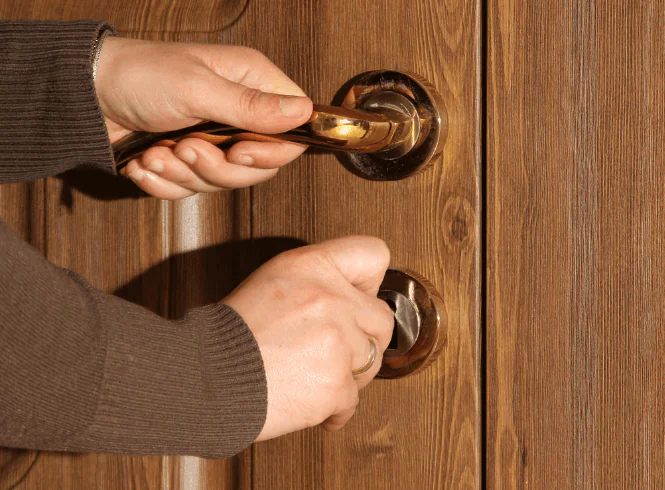
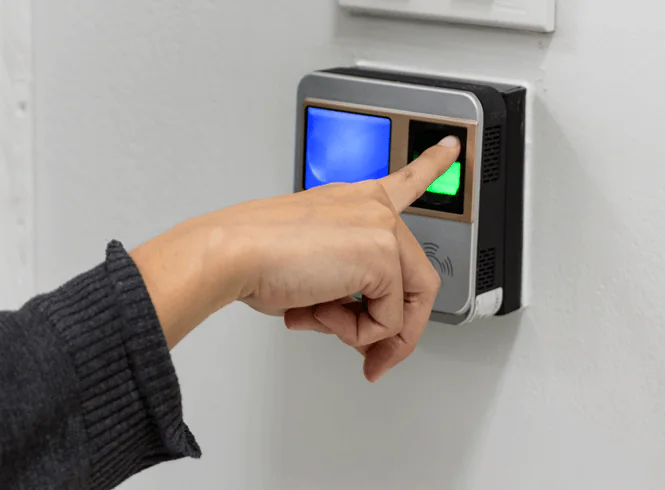
For example, if you were to use biometric security to secure your front door, you would open it with your fingerprint, rather than a key. Or you could have a facial recognition system that will register and recognise the faces of your family and friends (or whoever you wish to gain entry to your home) and allows them in. This means that if an unknown person or a potential intruder tries to gain access, then they will struggle. There are biometric smart locks for residential properties already available on the market, with brands such as Lockly, Ultrloq and Eufy offering fingerprint unlocking. While video doorbell brands Ring and Nest cam offer AI based facial recognition.
Why Homeowners are Choosing Biometric Locks?
Biometric security is becoming a popular choice for homeowners because it eliminates the risk of lost keys and forgotten codes. Your face or fingerprint is the key, so it’s always with you. Which might be a big plus to parents of forgetful children that tend to misplace their keys.
Those looking for easy physical access might choose fingerprint or facial recognition security systems, as its either one touch, or no touch entry. So, if you have mobility issues or even if you’ve just got your hands full, not having to physically unlock your door makes life much easier.
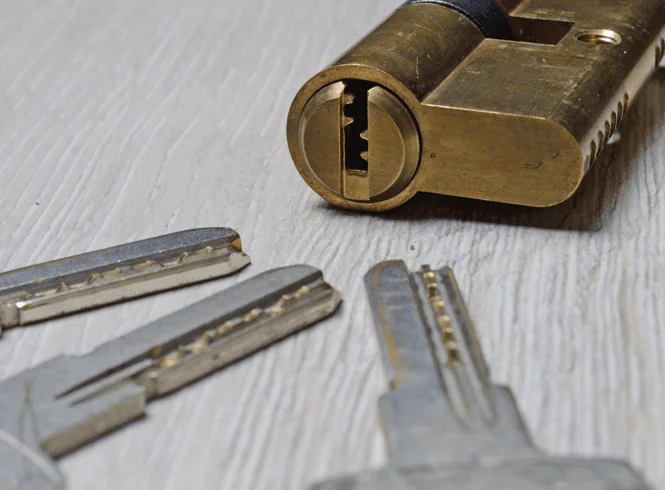
Security wise, biometric security systems are harder to bypass than your traditional lock and key. These types of locks are vulnerable to locks snaping, bumping and picking. But with biometric access there is no key whole that an intruder can take advantage of. Your biometrics are unique to you, it’s almost impossible to supplicate a fingerprint or face, making unauthorised access a lot less likely.
Some type of biometric security will send you tamper alerts and keep access logs. That means you can respond quickly if you are alerted to a potential break in. You can also see who accessed your home and what time in the access logs, so you can monitor cleaners, deliveries and tradespeople.
Are Biometric Locks Really Safer?
The Positives
- Harder to pick than mechanical locks
- No need to share physical keys
- Some offer temporary user profiles (e.g., for dog walkers or cleaners)
The Negatives
- Spoofing: Fake fingerprints or photos could fool low-end systems
- Power/Connectivity Issues: What if Wi-Fi is down or battery dies?
- Data Privacy: Where is your biometric data stored—locally or in the cloud?
- Low-Quality Devices: Cheap imports might skip basic security features
There is a way to overcome some of the negatives surrounding biometric security. Installing biometric security with liveness detection. This is a technology that can determine if the biometric input (fingerprint or face etc) is coming from a living person and not a fake or spoofed source, such as a mask, video or silicone fingerprint.
To combat power cuts or connectivity issues, you can have a physical back up such as a key or pin code.
You can also avoid buying biometric security with cloud-based storage or if it’s unavoidable, make sure all the storage is encrypted.
What’s Next In-Home Biometric Security?
Multi-Modal Biometrics
Instead of just using one biometric factor, multi modal system use a variety biometric measures such as fingerprint, facial recognition, gait or a combination of any of the three. This provides higher accuracy and are harder to spoof.
Behavioural Biometrics
These systems are incredibly smart and learn how you behave, your walking pattern, typing style or how you use your phone, to verify your identity. This works particularly well for systems controlled by your phone and makes it harder for someone to hack in.
Context Aware Authentication
This is another layer of security for your home. Your door will only unlock if it recognises you, with your phone during daylight hours. Your system will alert you to any person without these three things trying to enter your house. One downside if you will have to let your security system know if you will be arriving home at an unusual hour.
AI
AI powered anomaly detection is a feature that is very cutting edge. The AI will learn the behavioural patterns of your household, who leaves and arrives at certain times. This means it will flag any behaviour that it deems as unusual, for example if someone lingers too long on your driveway.
Emotion Detection
This one will prevent your door from opening if it senses you are distressed, this stops an intruder forcing you to open the door for them.
Final Thoughts
Biometric security and facial recognition are powerful home security tools that will soon be more affordable and common place in homes. While it’s not foolproof, neither are traditional key and locks. Biometrics will provide you a higher level of security and ease of access. Don’t be surprised when it’s the future go to solution for home security.

Kim Freeman
Kim is Keytek’s longest-serving security blogger, with nearly a decade of hands-on experience in the security industry. Over the past 9 years, she has built trusted relationships with locksmiths and security professionals across the UK, giving her exclusive insight into the latest trends, technologies, and best practices in home security.
From traditional burglary prevention methods to cutting-edge smart home solutions, Kim covers it all. As part of her role, she regularly reviews the newest home security gadgets on the market—including smart doorbells, security cameras, and more—bringing readers honest, practical advice on how to protect their homes.
Kim’s passion for security was sparked during her time at the University of Chester, where she learned first-hand how vulnerable student housing can be to break-ins. That early experience inspired a lifelong interest in home protection, eventually leading her to join the team at Keytek.
Today, Kim combines her deep industry knowledge with a love for writing to deliver helpful, accessible content for homeowners across the UK. You can read all of her expert advice and top security tips at Keytek.co.uk, where she shares everything from seasonal safety guides to reviews of the best security products on the market.

Jim Lockwood
Jim Lockwood is a fully qualified locksmith with over 10 years of hands-on experience in domestic, commercial, and emergency locksmith services across the UK. Holding a Level 4 NCFE Locksmithing accreditation—Jim is a trusted authority in lock security, key systems, and burglary prevention.
As Keytek’s lead technical content specialist, Jim draws on real-world experience to create detailed, trustworthy resources that help homeowners, tenants, and professionals make informed decisions about their security. From guiding readers through emergency lockout procedures to explaining locksmith pricing, his content combines expert knowledge with practical, easy-to-follow advice.
Throughout his career, Jim has tackled a wide range of locksmithing scenarios—including uPVC door lock failures, snapped keys in locks, and high-security upgrades and remains actively engaged in the locksmith industry, staying up to date on emerging technologies, British Standards, and security legislation. This ensures that every guide, article, and tutorial he authors is not only accurate and actionable but also aligned with the latest best practices.