
Living in Liverpool: Your Complete Local Area Guide 2025
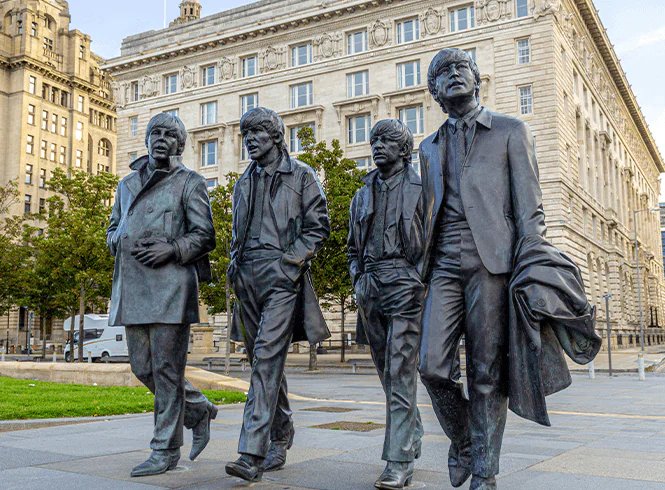
Liverpool is one of England’s most culturally significant cities, renowned for its maritime heritage and as the birthplace of The Beatles. Located in the Northwest of England on the banks of the River Mersey, Liverpool has transformed from a historic port city to a vibrant metropolis.
With a population of around 500,000 according to the Liverpool City Council, Liverpool’s unique character stems from it’s friendly, welcoming community.
A Brief History of Liverpool
Liverpool’s maritime heritage dates back centuries, with the city serving as a crucial link between the UK and the USA. The historic Albert Dock, now a UNESCO World Heritage Site, houses the largest collection of Grade I listed buildings in the UK. The city’s musical legacy extends far beyond The Beatles, having produced numerous internationally acclaimed artists and maintaining a thriving live music scene that attracts visitors from around the globe.
The city achieved European Capital of Culture status in 2008, cementing its reputation as a cultural powerhouse. This recognition sparked significant investment in arts venues, public spaces, and infrastructure that continues to benefit residents today.
Is Liverpool a Good Place to Live?
Short answer? Yes. Liverpool is a great place with friendly people, cultural attractions and a lower cost of living.
Why Liverpool stands out for so many people, is the community feel that many places in the UK are losing. Scouser’s are generally friendlier and will strike up a conversation with you much more easily than in the South –it’s lovely to know that the community feel is still out there in some places.
Of course, there are some disadvantages that come with any big cities, but generally the good outweighs the bad.
Liverpool House Prices & Rental Costs 2025
The average price paid by first-time buyers was £166,000 in May 2025, while private rents rose to an average of £854 in June 2025, according to The Office of National Statistics.
With an average property price of £213,000, Liverpool ranks as the 13th cheapest postcode area out of 105 England and Wales postcode areas. This represents exceptional value compared to national averages, particularly for those relocating from more expensive regions.
Neighbourhoods to Live in Liverpool
Area | Best for | Property type | Transport links |
Aigburth | Families | Victorian homes | Northern line, buses |
Baltic Triangle | Creatives & techs | Converted warehouses | City centre proximity |
Wavertree | Students & young pros | Terraced & new builds | Edge hill, buses |
Wavertree | Families & commuters | Large family homes | M62 access |
Aigburth
One of Liverpool’s most desirable family-oriented neighbourhoods, offering great access to green spaces, good schools and transport links.
Features:
- Victorian and Edwardian housing
- Terraced, semi-detached and detached housing
- Close proximity to Sefton Park and Lark Lane
- Regular bus services and Aigburth railway station on the Northern Line
Baltic Triangle
Liverpool’s creative quarter – once an industrial area, now a vibrant district with lots of culture. Home to numerous digital agencies, start-ups and creative businesses make it popular with those working in technology and media.
Features:
- Converted industrial buildings
- Close proximity to the city centre (ideal for a short commute)
Wavertree
Known for its student inhabitants thanks to its proximity to the University of Liverpool, Wavertree is also a hotspot for young professionals and families who want affordable housing with good transport links.
Features:
- Victorian terraced houses (many converted to student housing)
- Modern developments
- Wavertree high street offers a range of local shops and places to eat
- Several bus routes to the city centre and the university campus
- Close proximity to Edge Hill train station
Woolton
A suburban area which is attractive to families and professionals who want more of a country village feel but still want to be close to the city.
Features:
- Centred around Woolton Village, which has a strong community atmosphere
- Larger family style homes
- Excellent views across the city and surrounding countryside
- Easy access to the M62 for commuting
Liverpool Living Costs
Liverpool stands out as one of the UK’s most affordable major cities, offering exceptional value compared to London, Manchester, or Bristol. Your salary stretches significantly further here, whether you’re starting your career or planning retirement.
What You’ll Actually Pay (2025 Figures):
Housing & Essential Bills
- Private Rent (1-bed apartment): £854/month
- Utilities (gas, electricity, water, waste): £140–£180/month
- Council Tax: £100–£133/month (Band A–C properties)
- Broadband & Mobile: £35–£50/month
Getting Around & Eating Out
- Merseytravel monthly pass: £70 (unlimited buses, trains, and ferries)
- Restaurant meal (mid-range): £15–£25 per person
- Quick lunch or coffee: £3–£6
Many of the city’s best experiences cost nothing. World-class museums like the Walker Art Gallery and Merseyside Maritime Museum offer free entry, while the waterfront, parks, and regular street festivals provide endless entertainment without touching your budget.
Diversity & Community
Liverpool’s identity as a welcoming, multicultural city runs deep. As a historic port that connected Britain to the world, it has always been a place where different cultures meet, mix, and thrive.
Communities That Call Liverpool Home
The city hosts vibrant communities from across the globe. You’ll find one of the UK’s oldest Black communities alongside thriving Irish, South Asian, Chinese, Somali, Eastern European, and Middle Eastern populations. Europe’s oldest Chinatown, marked by its stunning ornate arch, remains a cultural heart of the city.
Living the Community Spirit
Liverpool’s community spirit isn’t just friendly—it’s legendary. Neighbourhood events, local football clubs, community centres, and cultural festivals create countless opportunities to connect. The calendar bursts with celebrations: Africa Oyé brings African music to the parks, Brazilica fills the streets with South American color, Liverpool Pride celebrates diversity, and Lunar New Year lights up Chinatown.
While Liverpudlians are fiercely proud of their heritage, they’re equally quick to embrace newcomers. Whether you’re moving from elsewhere in the UK or arriving from abroad, the transition to feeling like a local happens naturally here.
Liverpool Weather
Thanks to its coastal location and maritime climate, Liverpool experiences relatively mild weather all year round — though you’ll want to keep a waterproof jacket handy!
- Average Summer Temperatures (June–August): 18°C to 22°C
- Average Winter Temperatures (December–February): 3°C to 8°C
- Average Annual Rainfall: ~837mm
- Average Rainy Days per Year: ~150 days
Rain in Liverpool is usually light or drizzly rather than heavy storms, and it’s not uncommon to get sunshine and rain in the same day. Snow is rare and typically doesn’t stick, while summers are generally pleasant without extreme heat.
While the weather might be a bit grey at times, the friendly atmosphere more than makes up for it — and on a sunny day, there’s no better place than sitting by the waterfront or enjoying a stroll through Sefton Park.
Liverpool Transportation and Connections
Liverpool has excellent transport links that make it a great location for both residents and businesses. The city’s connections are not only local, but both nationally and internationally with plenty of opportunities for employment and education.
Major Transport Hubs
Liverpool Lime Street is the cities primary railway station, offering direct connections to major UK cities such a London (2 hours 15 minutes), Manchester (45 minutes) and Birmingham (1 hour 30 minutes).
For inner city transportation, the Merseyrail network is one of the UK’s most comprehensive suburban rail systems and connects Liverpool city centre, surround districts and the Wirral Peninsula – making commuting to the metro area efficient and affordable.
Proximity to the M62
Liverpool is a stone throw away from the M62, connecting it to Manchester and the M6, which means excellent road access to not only England’s major cities but also into Scotland.
Local Liverpool Transportation
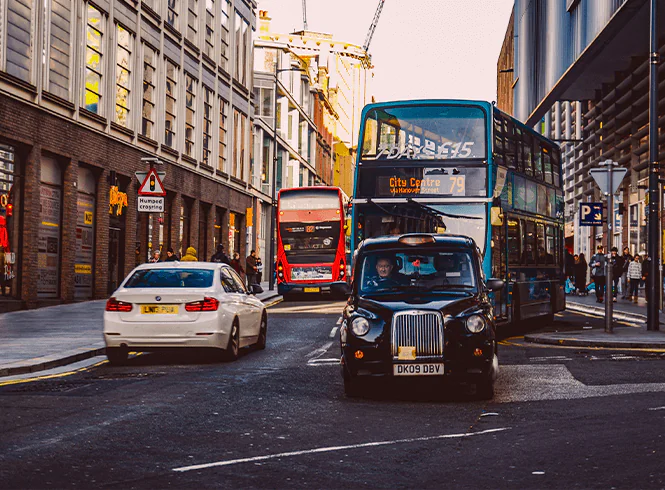
The city has an impressive bus network, covering all suburbs and districts, but reliable bus coverage depends on where you are and where you’re going. Cross city buses don’t have the best reputation and can get quite congested, especially on game days!
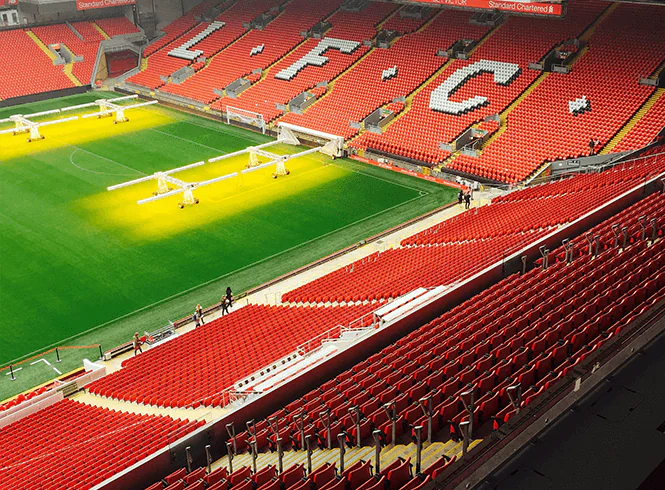
Liverpool Football Club
Liverpool Football Club stands as one of England’s most successful and globally recognised football teams, based at the iconic Anfield stadium in the city’s vibrant sporting quarter.
Founded in 1892, the Reds have captured numerous Premier League titles, FA Cups, and an impressive six European Cup/Champions League trophies, making them a cornerstone of Liverpool’s cultural identity.
The club’s famous “You’ll Never Walk Alone” anthem echoes through Anfield on match days, creating an electric atmosphere that draws visitors from around the world. Beyond the pitch, Liverpool FC offers stadium tours that showcase the club’s rich history, while the nearby Albert Dock area provides plenty of dining and entertainment options for football fans exploring the city. Whether you’re a devoted supporter or simply interested in experiencing one of football’s most storied venues, a visit to Anfield offers an authentic taste of Liverpool’s passionate sporting heritage.
Getting Started in Liverpool
Essential Services and Registration
New residents should register with a local GP practice, which can be found through the NHS website. Liverpool has numerous excellent healthcare facilities, including Liverpool University Hospitals NHS Foundation Trust.
For families with children, Liverpool City Council provides comprehensive information about school applications and admissions. The city offers both excellent state schools and private education options.
Employment Opportunities
Liverpool’s economy has diversified significantly, with growing sectors including digital technology, healthcare, education, and creative industries. The city’s universities, NHS trusts, and expanding business districts provide varied employment opportunities.
Living in Liverpool: Pros & Cons
Advantages of Liverpool Living
- Affordable cost of living: compared to other major UK cities and the south, Liverpool has a significantly lower housing and living costs.
- Strong community spirit: Renowned for their friendliness and community pride, newcomers are welcome and those looking to relocate often find it easier to make roots.
- Cultural richness: World-class museums, galleries and thriving music scenes all call Liverpool home. The city invests a lot in arts and culture, meaning there’s always something going on.
- Excellent education: with 2 universities and numerous schools rated outstanding by Ofsted, those with families wont struggle to find a good school.
Considerations and Challenges
- Weather: Liverpool’s maritime climate means regular rainfall and moderate temperatures – although if you already live in the UK this is nothing new for many.
- Safety: Like any major city, Liverpool has a higher crime rate – but safety really varies from neighbourhood to neighbourhood.
- Unreliable bus links: The city is great for rail and car transport, not so much for buses if you’re looking to go cross-city.
Safety in Liverpool
Liverpool has made significant strides in improving safety and reducing crime rates over recent years. The city centre benefits from extensive CCTV coverage, regular police patrols, and active community policing initiatives.
Safety Tips for Residents:
- Research specific areas thoroughly before moving, as safety can vary significantly between neighbourhoods
- Use well-lit, busy routes when walking alone at night
- Take advantage of the city’s good public transport rather than walking long distances after dark
- Join local community groups and neighbourhood watch schemes
- Stay informed about local issues through community social media groups
- Install anti-snap locks on your front door to help keep your home secure!
Areas with strong safety records: Suburbs like Woolton, Aigburth, and Allerton generally have lower crime rates, while the city centre benefits from high visibility policing and security measures.
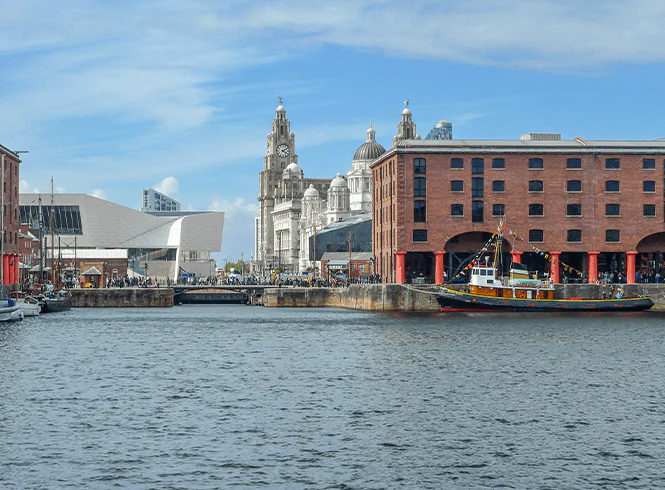
Local Liverpool Landmarks
As someone who visits Liverpool often, I’ve had the chance to explore its best spots—here are my honest thoughts on the top attractions:
1. Royal Albert Dock Liverpool
The Royal Albert Dock is Liverpool’s waterfront jewel, where Victorian maritime heritage meets vibrant modern culture. Originally built in 1846 as the world’s first non-combustible warehouse complex, it’s now a lively hub featuring attractions like The Beatles Story, the Tate Liverpool (reopening in 2027), and stunning views across the River Mersey.
I loved the peaceful, open-air atmosphere – perfect for a relaxing stroll, a bit of shopping, or a quick bite to eat. The blend of historic charm and laid-back energy made the whole experience feel truly special.
2. The Carvan Club
The Cavern Club on Mathew Street is where The Beatles became, well, The Beatles – playing over 300 gigs here in the early ’60s before conquering the world. This legendary underground venue still pulses with live music every day from afternoon until late, hosting everything from Beatles tribute bands to fresh new acts across its three spaces.
What I loved most about this space is the feeling of history seeping from every corner – you can almost hear the echoes of those early Fab Four performances bouncing off the famous arched ceilings. The venue feels authentically scruffy in the best possible way, and there’s something magical about grabbing a pint and standing in the exact spot where music history was made.
Whether you’re a massive Beatles fan or just love live music, The Cavern delivers that raw Liverpool sound that helped change music forever – and it’s still very much alive and kicking today.
3. Williamson’s Tunnels
Hidden beneath Liverpool’s streets is one of the city’s most mysterious and fascinating secrets – Williamson’s Tunnels, a remarkable labyrinth of underground chambers and passages that will blow your mind.
Created in the early 19th century by eccentric businessman Joseph Williamson, these tunnels were supposedly built to provide work for unemployed locals, though their true purpose remains tantalizingly unclear.
Stepping from the streets of Liverpool down 60 feet to the breathtaking cathedral-like chambers, is something you must experience first-hand.
The passionate volunteers run these amazing tours (Wednesdays and Sundays only), and their enthusiasm is infectious as they share stories about the painstaking excavation work done to uncover these spaces. Tours are completely free, though donations are welcomed, and you’ll get kitted out with hard hats and hi-vis jackets before exploring multiple sites including the famous Banqueting Hall and the remains of Williamson’s own house with its four massive fireplaces.
4. World Museum
The World Museum is a proper treasure trove spread across five fascinating floors, and the best part? It’s completely free to explore. Located right in the heart of Liverpool near the university, this place has something for absolutely everyone – from ancient Egyptian mummies and hieroglyphs that’ll transport you back 5,000 years, to dinosaur skeletons that kids go absolutely mad for.
What I love most about this museum is just how varied it is, although I must say I walked a bit too quickly through the Bug House. The Egyptian section consistently gets rave reviews, with real mummies and artifacts that feel genuinely awe-inspiring.
Fair warning though – the small aquarium is a bit basic with just a few fish and starfish, so don’t expect Sea Life Centre vibes, and it can get absolutely heaving with school groups on weekdays.
5. Quirky Quarter
The Quirky Quarter is Liverpool’s most wonderfully weird attraction – a brain-bending wonderland of optical illusions, mind puzzles, and Instagram-worthy photo opportunities that’ll have you questioning reality for about an hour.
I loved how interactive everything was, and the catch is your not just looking at the exhibits, you become part of them! Highlight for me was defiantly the mirror maze, but the price of £16 for an adult ticket certainty comes in second place.

Jessica Davies
Jessica brings over six years of specialised expertise to Keytek's comprehensive UK location guides, combining meticulous research with genuine local insight. As the architect behind Keytek’s area profiles, she delivers essential intelligence on house prices, crime statistics, schools, and community character—everything you need to know about the city or town. Armed with a photography degree from the University of Brighton and an exhibited portfolio, Jessica approaches each location asking, "What would it be like to live here?" This perspective transforms dry statistics into lived experience, revealing not just what places cost, but what they truly offer. Since 2019, Jessica has partnered with Keytek®'s security professionals, weaving real-world safety expertise into every guide. Her work addresses practical realities: Is this neighbourhood genuinely safe? What security considerations matter? How does local infrastructure support daily life? From bustling cities to quiet villages, Jessica's field research uncovers authentic local character. Her commitment to accuracy and on-the-ground investigation has established her as a trusted voice—helping people navigate different locations across the UK and home security with complete confidence.
Moving to Liverpool?
Let Keytek Locksmiths help make your move stress-free with our professional moving home locksmith services. Whether you’ve just picked up the keys or you’re settling into your new property, it’s important to change the locks to ensure you’re the only one with access. Our local Liverpool locksmiths are fully accredited and available to secure your new home quickly and efficiently.
From lock replacements to home security upgrades, we’re here to help you feel safe and protected from day one. Trust Keytek for reliable, expert locksmith services tailored to new homeowners in Liverpool.
Call for a quoteMoving to Liverpool?
Frequently Asked Questions
Is Liverpool affordable to live in?
Yes, Liverpool is one of the most affordable major cities in the UK, with an average house price of £213,000 in 2025.
What are the safest areas to live in Liverpool?
Popular safe areas include Woolton, Aigburth, and Allerton, known for low crime rates and strong community feel.
What is the average rent in Liverpool in 2025?
As of June 2025, the average private rent in Liverpool is £854 per month.