
What Is Living In Nottingham Like? A Guide To Nottingham
Last Updated September 2025
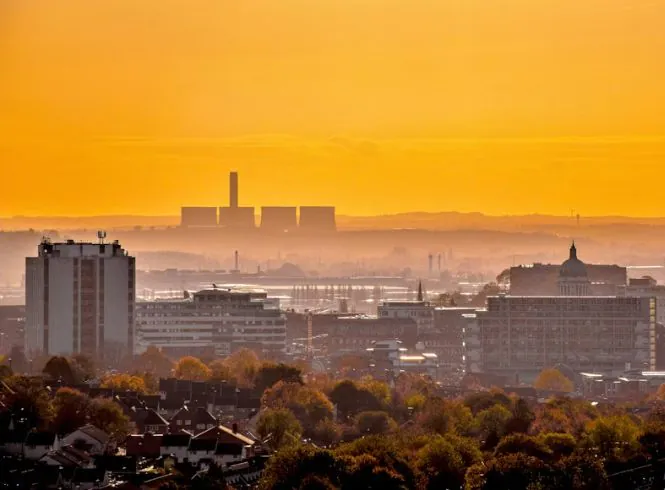
Nottingham, famous for the legendary figure of Robin Hood, has a rich history that dates to the year 600 AD. It is the largest city in the East Midlands and the second largest in the Midlands overall. The city has a notable history in lacemaking and features a distinctive subterranean cave system.
The metropolitan population of Nottingham is estimated to reach 819,00 in 2025 . Long-term residents describe Nottingham as a place that offers a diverse socio-economic environment at an affordable cost of living.
Brief History of Nottingham
Though there is evidence of pre-Roman settlements, the name ‘ Nottingham’ wasn’t adopted until Norman influence around the year 800. First built by William the Conqueror in 1067, Nottingham Castle was rebuilt by King Henry II.
St. Peter’s Church began construction in 1180. Nottingham played a significant role in the English Civil War, with King Charles I raising his standard at the castle in 1642.
During the Industrial Revolution, Nottingham was famous for its textile production, specifically lace, and was eventually recognised as the “Lace Capital”. Due to the city’s ties with Robin Hood, it earned the nickname “Rebel City” during a period of social upheaval.
Nottingham was granted city status in 1897, and post-war regeneration turned it into a diverse and culturally vibrant city.
Is Nottinghamshire a Good Place to Live?
Nottingham offers a lower cost of living and housing compared to London, making it an attractive location for families and students. The city features a variety of shops and modern amenities, along with galleries, museums, and theatres. Its well-developed public transport system and numerous parks and green spaces enhance the city’s appeal. With two universities and a Purple Flag designation, Nottingham is generally considered a safe place to live.
Though the crime rate is higher than the national average, this can vary in different areas and isn’t uncommon for city living. Like other cities, Nottingham struggles with congestion, and locals often complain about continuous development in the city.
How Safe is Nottingham
In July 2025, the crime rate in Nottingham was 109.9 per 100 residents. Violent crime was the most common, accounting for 31.7% of all crimes reported during that month. While Nottingham is not generally considered a dangerous city by locals, it does have higher crime rates compared to others.
Like many cities, Nottingham has both good and bad areas. It’s ranked among the top 10 most dangerous cities, and there is a noticeable trend of higher crime rates in more deprived neighbourhoods compared to those that are not. However, burglary rates in the city are relatively low, with only 4.54 incidents per thousand residents reported for the year ending September 2024.
If you don’t feel safe in your home, consider upgrading your home security. You can improve your security by implementing additional measures to ensure your home is as secure as possible.
At Keytek, our trained and accredited locksmiths offer homeowners a free home security check with every site visit, helping to ensure that your home is protected.
House & Rental Prices: Nottingham 2025
Rental Prices
In June 2025, the average rent in Nottingham was £982, reflecting a 7% increase from the previous June. For flats or maisonettes in Nottingham, the average rent is £814, while detached properties have an average rent of £1,275 per month. A two-bedroom property typically costs around £886, whereas properties with four or more bedrooms average £1,427. (Data according to ONS)
House Prices
According to Rightmove, the average house price in Nottingham is £266,068, which has increased by 3% from 2022. Most of the properties sold were semi-detached, fetching £249,076. Meanwhile, detached properties sold for £381,923, and terraced properties averaged £191,091.
Recommended Places to Live in Nottingham
Beeston
Best for: Families, creatives and students
Property types: Victorian terraces, modern apartments and family housing
A highly sought after suburb just outside of Nottingham and outside of the University of Nottingham. It’s known for its community spirit and balance between urban and residential living
- Has good well-regarded schools, including a sixth form and University access.
- Access to the A52 and M1. Has its own train station with connections to Nottingham, London and other major cities.
- Independent shops and national retailers with a good range of cafes and pubs.
- Access to parks and other green spaces including a nature reserve.
Arnold
Best for: Families and commuters
Property types: traditional terraced houses, modern developments
This market town is northeast of Nottingham’s city boundary, well-established it offers affordability and a family friendly environment, it’s practical and community-focused
- Affordable housing with demand for family homes
- Well-regarded schools
- Developed town centre with shops, amenities and services for necessities and leisure activities
- Rich history with strong ties to the industrial revolution and the role in the Luddite Riots
Mapperley
Best for: Families and professionals
Property types: larger homes, semi-detached housing, detached housing and apartments
Often described by locals as desirable an affluent area, it offers a great balance of quite living with access to Nottingham city centre.
- Close to excellent schools with strong reputations making it ideal for families
- Good public transport links. The A60 provides links to Loughborough and Doncaster whilst passing though Nottingham.
- An active community, with local events
- More affordable than some of the more affluent areas
West Bridgford
Best for: families, young professionals, and retirees
Property types: Victorian and Edwardian semi-detached and detached houses
Widely regarded as a posh and affluent suburb, it offers a high quality of life and desirable residential areas. It is one of the most sought-after locations to live in the East Midlands.
- Known for excellent, high-performing schools
- Generally safe low crime area and considered safe, compared to the town centre
- Strong community with frequent events, sporting events, markets and activities.
- Green spaces, parks and walking trails. The proximity to the River Trent provides opportunity for water sports.
Ruddington
Best for: commuters, families, retirees
Property types: semi-detached houses, detached houses, terraced houses, and bungalows
Generally considered to have a ‘posh’ charm, this charming village 5 miles from Nottingham city centre. With historic buildings, independent shops and green spaces, it’s ideal for those seeking a quiet village life whilst close to the city centre.
- Has good and ‘outstanding’ OFSETED schools from nurseries to secondary schools
- Access to the city’s amenities and employment opportunities whilst maintaining a village feel
- A low crime area with active community
- Plenty of access to parks and green spaces for activities and recreation
Cost of Living in Nottingham
Nottingham is generally more affordable than most other major UK cities. Rent for a one-bedroom averages about £718 whilst a flat or maisonette is about £829 according to ONS. The cost varies depending on the location, particularly whether the apartment is in the city centre. Utilities and Wi-Fi usually cost between £165 and £199 per month. Additionally, you should budget around £150 to £200 per month for groceries.
A semi-active social life in Nottingham will cost about £60. For transport, a city zone rider ticket will cost about £75 or £60.75 for a student or 19–21-year-old. If you’re looking to commute to London St Pancras, a monthly standard ticket will cost about £1,201.60.
The minimum living cost for a student in Nottingham is approximately £1,154 per month. This estimate includes essential expenses, a bus pass, and the average rent for a one-bedroom space. For a non-student with similar expenses and a standard bus pass, the monthly cost is around £1,168. At the higher end, factoring in a train pass to London St Pancras and the average rent for a flat or maisonette, the monthly cost can reach about £2,489. These figures provide an estimate of living expenses in Nottingham.
Universities Near Nottingham
University of Nottingham
Ranks: 26th – Complete University Guide
Top courses: Ranks top 10 in 16 courses including: aeronautical & aerospace engineering, architecture, economics, English and Veterinary medicine – for the full list
Founded in 1881, this red brick university is part of the Russell Group with more then 70 sport clubs and 300 societies, is recognised for its high-quality teaching. Ranked 7th in the UK for research power, the university is recognised for its Nobel Prize Winners in medicine, economic and chemistry.
Nottingham Trent University
Ranks: 46th – Complete University Guide
Top courses: 3 courses rank in the top 10: forensic science, land & property management and building
A public research university was founded in 1843, is recognised for its commitment to sustainability and social mobility. Furthermore, it is recognised for its high employability, with 96% of graduates finding employment or further study 6 months after study.
Student Life in Nottingham
Student Things to Do
- Cave Escape – If you love escape rooms, Cave Escape offers a unique experience inside Nottingham’s sandstone cave system, which was used as a WWII bunker. With three different rooms to choose from, it is recommended to book in advance.
- Golf Fang – This adult-only venue is ideal for students, with mini golf starting at £7.50. Featuring dark themes and crude humour, it promises a fun time for everyone. With various minigolf and karaoke packages, as well as an arcade, there’s plenty to keep you entertained.
- Skirmish Paintball – For something a bit different and a great way to let off some steam, Skirmish offers a range of packages to suit various budgets. With 25 years of experience, on-site food and drinks (including bacon cobs), and acres of land to explore, visitors rave about the attentive staff and the overall enjoyable experience.
Best Student Night life
- Canal House – This formal canal museum won the 2025 Silver Award for Pub of the Year. It plays a significant role in Nottingham’s craft beer scene and offers a deliciously reasonable menu. With the canal as a picturesque backdrop and a spacious beer garden, it’s a truly unique spot to relax.
- Rock City – Open since 1980, Rock City has a rich history of hosting some of the biggest names in music alongside local talents. The club feature’s regular theme nights and live gigs, covering a wide range of genres from pop to indie and rock. Visitors have praised the electric atmosphere and reasonably priced drinks.
- The Hockley Arts Club – Located in Hockley’s creative quarter and just 20 minutes from the University of Nottingham, this stunning, award-winning cocktail bar boasts a warm atmosphere. It’s perfect for date nights or bottomless brunches. Housed in a former lace showroom, the venue features two beautifully designed floors, each with its unique aesthetic.
Lost Your Keys in Nottingham?
If you find yourself locked out, have a broken or lost your key, or are in any situation where you cannot access your home because you don’t have a spare key, don’t hesitate to contact Keytek Locksmiths. We offer a one-hour emergency Locksmith service*. Remember, if you’re a student, talk to your landlord or go to the accommodation help desk before calling a Locksmith.
Commute and Connections
Car
Nottingham is conveniently located near the M1 and is close to the A50 (serving Stafford, Stoke, and Manchester), the A52 (leading to Nottingham or Derby), and the A42 (heading towards Birmingham). The city can also be easily accessed via the M1 and M69 when travelling to Coventry.
Nottingham’s traffic regulations include the Nottingham Clear Zone, a pedestrianised area, as well as potential fines for violations in tram-only zones. There are also bus lanes, including one on Canal Street, where unauthorised use can result in fines. The city’s busy roads can be particularly challenging for new drivers, especially on A-roads and dual carriageways.
Traffic congestion is a common issue, particularly during peak hours. Being mindful of signage, traffic regulations, and restrictions is crucial to avoid fines and to ensure a safe driving experience.
Public Transport
Buses
Nottingham City Transport (NCT) operates a comprehensive bus network with frequent services to the city centre and university campuses, including University Park, Jubilee, and Sutton Bonington. Discounts are available for students on bus travel, and the University of Nottingham provides free hopper buses that link its various campuses.
Trams
The Nottingham Express Transit (NET) tram system provides quick and easy access to the city centre and surrounding areas. Trams run frequently, with stops in the city centre and park-and-ride options available.
Trains
East Midlands Railway connects Nottingham to various destinations, including Worksop and Newark, as well as other towns in Nottinghamshire. Additionally, East Coast Trains and CrossCountry Trains serve Nottingham, along with Northern Rail services from Sheffield, Leeds, and other northern cities. There are also trains available to Sheffield, Derby, Leicester, London, and Birmingham.
Working in Nottingham
Nottingham offers a combination of rural or city life with affordability which makes it an attractive place to work. The largest industries in Nottingham are health care and manufacturing with the NHS being a major employer in the region. Teaching and education are also a large sector, with academic, research and support positions available at the university and surrounding schools.
Though Nottingham has seen a decline in traditional manufacturing, roles have shifted towards tech manufacturing and engineering. The city also has a growing creative and digital sector including film, gaming and software development.
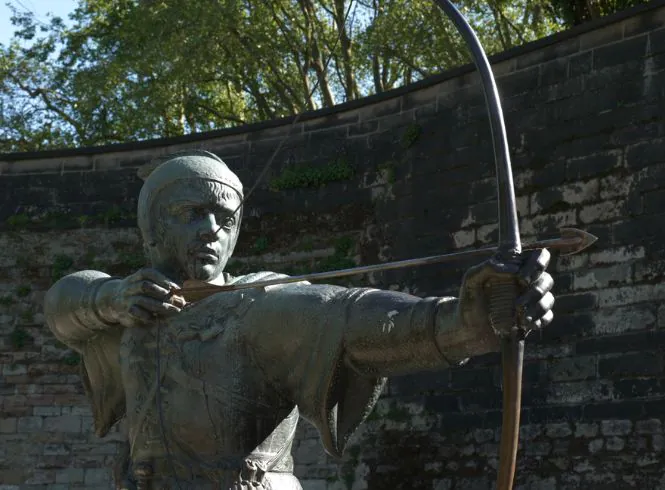
How Safe is Nottingham?
Nottingham’s safety record presents a mixed picture, largely depending on the area you live in or visit. Like many large cities, it offers strong safety initiatives and well-regarded neighbourhoods alongside certain crime hotspots that require caution.
Positives
- Purple Flag Accreditation: Nottingham city centre has proudly held the Purple Flag status for 15 years, an international recognition for safe, welcoming, and vibrant nightlife.
- Student Safety Initiatives: Both universities heavily invest in student security. Initiatives include a dedicated police presence, campus security teams, and the Safe Taxi Scheme, which ensures that students can get home safely.
- Community Measures: Nottinghamshire Police and the City Council run visible police patrols, maintain extensive CCTV coverage, and support training for nightlife staff to help prevent crime.
- Safer Neighbourhoods: Suburbs such as Wollaton, West Bridgford, Nuthall East, Strelley, Clifton, Mapperley, and Beeston are generally considered safe, with lower crime levels compared to the inner city.
Challenges
- Crime Rate: Nottingham’s overall crime rate stands at 109.9 crimes per 1,000 people, which is lower than London’s 132.9 per 1,000. However, Nottingham does have a higher rate of violent crime.
- City Hotspots: Areas such as Castle, St Ann’s, Hyson Green & Arboretum, and Meadows report higher crime rates, particularly related to theft, anti-social behaviour, and violent incidents.
- Night-Time Caution: While increased patrolling has improved city-centre safety after dark, it is still advisable to avoid poorly lit or isolated areas at night.
- Drug and Gang Activity: Certain parts of the city face challenge with drug dealing, gang activity, and anti-social behaviour, especially late in the evening.
Nottingham, like many cities in the UK, is a city of contrasts. It has vibrant, safe neighbourhoods and award-winning nightlife safety schemes, but also faces higher crime levels in certain areas.
Pros and Cons of Nottingham
Pros | Cons |
Affordable Living - Nottingham is more affordable compared to major UK cities like London and Manchester. | Crime Rate - Nottingham is generally safe, but its crime rate is higher than the East Midlands and national averages. |
Vibrant City Life - The city has a lively atmosphere, rich cultural scene, and diverse nightlife, with a thriving student population. | Traffic and Congestion - Heavy traffic, especially in the city centre, along with limited parking and bus lanes, makes driving difficult. |
Public Transport - The city features a bus and tram network, making it easy to get around. | Homelessness - A significant homelessness issue in Nottingham may stem from rising housing costs, low wages, and high unemployment. |
Rich History and Culture - Attractions such as Nottingham Castle and the City of Caves showcase its captivating heritage. | High Council Tax - Many residents are concerned about the comparatively high council tax in Nottingham. |
Green Spaces - With parks like Wollaton Park and Sherwood Forest, Nottingham offers plenty of outdoor activities. | Constant Development - Ongoing construction projects create disruptions, giving the impression that the city is never fully "complete." |
Nottingham Landmarks
Nottingham features a diverse blend of historic landmarks and modern attractions, showcasing the city’s heritage and continuous development. Below are some of the best places to visit and some locals recommend themselves:
National Justice Museum and City of Caves
The National Justice Museum and City of Caves covers five floors of history from Victorian courtrooms to Georgian gaol, and down to cells that date back hundreds of years. With real objects, in real spaces with real stories.
Nottingham is also home to the largest network of caves in the UK, with 800 beneath the streets. With medieval tannery and WW2 air raid shelters, you can immerse yourself in the atmosphere of the caves.
The National Justice Museum in Nottingham provides a captivating look at the evolution of punishment, from confinement to Victorian reform, all set within a former prison. The experience is enriched by re-enactors who perform real trials in the courtroom, encouraging audience participation, which was great fun.
Equally memorable was the tour of a section of Nottingham’s famous cave network. My guide was enthusiastic and knowledgeable, making the 50-minute tour fly by. Standing beneath the city and observing the foundations of modern buildings from within the caves felt surreal.
Nottingham Castle
Nottingham Castle, built in 1068, is steeped in history and offers captivating tales of Robin Hood along with curated art collections. Initially, I questioned whether the entrance fee was worth it, but my visit proved otherwise.
Enthusiastic tour guides shared their knowledge of the castle and its caves, making the experience even more enjoyable. The Brewhouse Yard was a highlight for me. I greatly enjoyed the art gallery, where each section was organised by theme; the Sciryuda room is must-see.
Overall, Nottingham Castle exceeded my expectations with its rich history, storytelling, and creativity, providing a genuine sense of discovery.
Wollaton Hall and Park
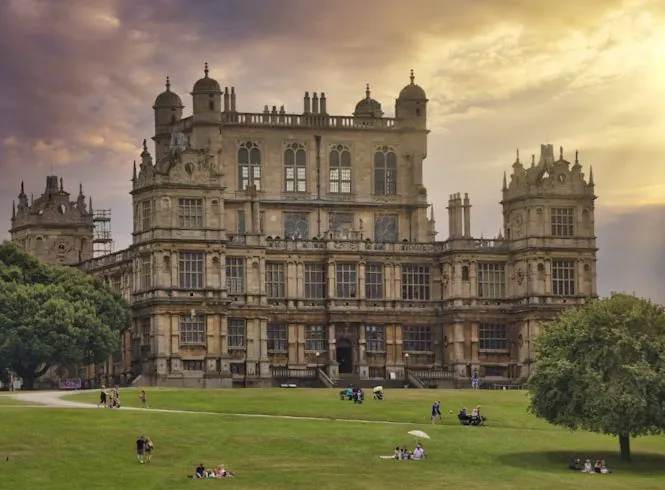
Built between 1580 and 1588, this Grade I Elizabethan mansion sits on 500 acres of picturesque parkland. Since opening its doors to the public in 1926, it has served as the city’s Natural History Museum, housing over 750,000 objects; it features hidden history tours and an Industrial Museum.
One of the highlights of my visit was seeing the over 90 red deer and 120 fallow deer that roam freely across the grounds. Watching these majestic animals in such a peaceful and natural setting was truly special. Overall, Wollaton Hall and Park is a true gem, a blend of history, nature, and open spaces.
Bromley House Library
A hidden gem and a favourite among locals, his beautiful Georgian-style house, originally built as a town house, was established as a Bromley House Library in 1816. It later became Nottingham’s first photographic studio, operating from 18411 until 1955. With over 40,000 books, it is one of the remaining independent subscription libraries in the UK, and stepping inside feels like walking back in time.
The best way to experience the library is on a guided tour, which must be arranged in advance. These tours are worth it. I had the opportunity to explore not only the library itself but also the garden hidden behind the building. For anyone interested in history or books, this library is a treasure.
Robin Hood City Tour
This award-winning tour brings to life the famous legend of Robin Hood with the Robin Hood City Tour , tracing the tale from 700-year-old ballads to one of the greatest stories in English literature. It’s a fantastic, guided tour that takes you to key sites related to Robin Hood and Nottingham, showcasing some of the city’s best attractions and recommendations from a famous local.
While it may seem like a simple walking tour, it offers an immersive experience into the legend of Robin Hood, led by none other than ‘Robin’ himself.
From the very beginning, the guide captivates with lively storytelling that appeals to all ages. As you stroll through the historical landmarks of Nottingham, you’ll learn more about the outlaw and delve deep into the rich history of the area.
I highly recommend this tour for families, friends, and solo travellers alike; it’s suitable for all age groups, provided you’re comfortable with walking.
FAQs
Need A Locksmith In Nottingham?
When moving into a new home changing the locks is vital as you never know how many keys are out there and risk the keys falling into the wrong hands. Arrange for a Nottingham Locksmith to come and fit a new lock the day you get your keys to provide you with peace of mind. We at Keytek® Locksmiths Nottingham provide a professional local mobile Locksmith service complying with British Standard and Home Insurance policies to ensure your home is as secure as can be! What’s more is all our customers benefit from a FREE home security check on site to ensure your home is as secure as can be!
There are many other things you need to consider when moving home so check out our Moving Home Checklist to help you along the way! Once you’re in consider improving the security of your home further still by checking out our Ultimate Guide to Home Security here!
Call us now!

Jessica Davies
Jessica brings over six years of specialised expertise to Keytek's comprehensive UK location guides, combining meticulous research with genuine local insight. As the architect behind Keytek’s area profiles, she delivers essential intelligence on house prices, crime statistics, schools, and community character—everything you need to know about the city or town. Armed with a photography degree from the University of Brighton and an exhibited portfolio, Jessica approaches each location asking, "What would it be like to live here?" This perspective transforms dry statistics into lived experience, revealing not just what places cost, but what they truly offer. Since 2019, Jessica has partnered with Keytek®'s security professionals, weaving real-world safety expertise into every guide. Her work addresses practical realities: Is this neighbourhood genuinely safe? What security considerations matter? How does local infrastructure support daily life? From bustling cities to quiet villages, Jessica's field research uncovers authentic local character. Her commitment to accuracy and on-the-ground investigation has established her as a trusted voice—helping people navigate different locations across the UK and home security with complete confidence.
Frequently Asked Questions
Nottingham a good place to live?
Yes. Nottingham is affordable compared to London and other UK cities, with rich culture, two universities, a Purple Flag city centre for safe nightlife, and plenty of green spaces like Wollaton Park and Sherwood Forest. Some areas face higher crime, but suburbs such as West Bridgford and Beeston are considered safe.
How safe is Nottingham?
Nottingham’s crime rate in July 2025 was 109.9 per 1,000 residents, above the national average but lower than London. Violent crime is the most reported, but burglary rates are relatively low (4.54 per 1,000). Safer suburbs include Wollaton, West Bridgford, Mapperley, Beeston, and Clifton, while hotspots include St Ann’s and Hyson Green. Nottingham also holds Purple Flag status for safe nightlife and has strong student safety initiatives.
What universities are in Nottingham?
The University of Nottingham (Russell Group, ranked 26th, with 70 sports clubs, Nobel Prize winners, and top 10 courses including aerospace, architecture, economics, and veterinary medicine) and Nottingham Trent University (ranked 46th, known for sustainability, social mobility, and employability with 96% graduate outcomes).
What industries and jobs are in Nottingham?
Key sectors include healthcare (NHS as a major employer), education, manufacturing (transitioning to engineering and tech), and creative industries such as gaming, film, and software development