
The 7pm Discovery: Why The Most Common Hour For Lockout Calls Is Right After The Commute.

A key finding from the 2026 locksmithing census is that lockout emergencies are not evenly distributed throughout the day. Although it might seem logical to assume that the morning rush is the most common time for key-related mishaps, the data reveals a more distinct pattern: the post-work commute surge.
Hourly trends in lost key reports and emergency lockout calls show a steady upward climb as the day progresses, culminating in a clear daily peak at 7 PM.
Why Lockout Calls Spike After the Evening Commute
The data reveals a stark contrast between how people behave during their morning departures and their evening returns. During the morning commute between 7 AM and 9 AM, lost key incidents are historically at their lowest, hovering around 7.23% to 7.32%. This is likely because individuals are highly focused on a rigid, rehearsed morning routine, making them less prone to forgetting essential items such as keys.
By contrast, the post-work evening transition between 5 PM and 9 PM brings greater mental fatigue and distraction, with lockout calls climbing steadily after 5 PM and reaching an absolute daily peak of 10.25% at 7 PM.
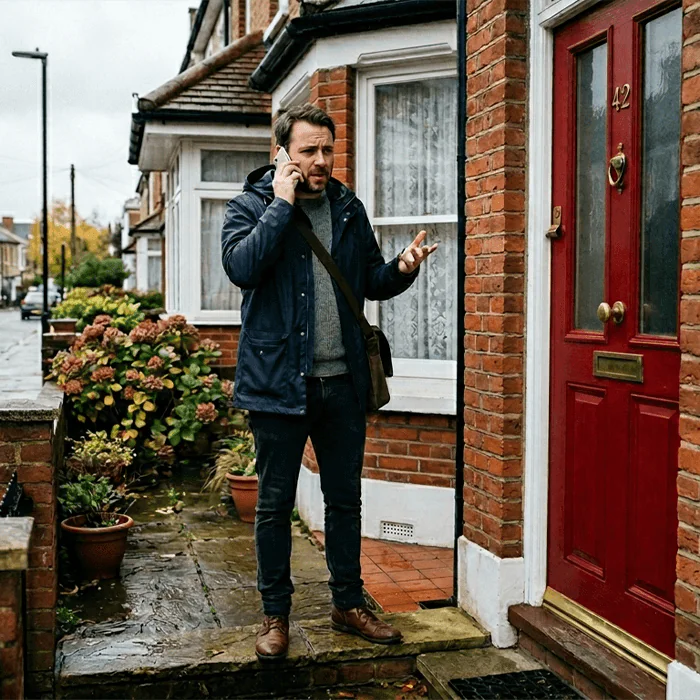
This suggests that the 7 PM surge is less about people losing their keys at that exact time and more about the moment of discovery: after finishing the commute, arriving at the front door, and reaching into a bag or pocket, people realise they no longer have access.
How the Seasons Affect Lockouts and Lost Key
Forgetfulness is deeply tied to the calendar. The data shows clear seasonal shifts in when our habits slip and when environments conspire against our hardware:
In May and June, lost-key incidents rise noticeably as warmer weather begins to alter daily routines. With May accounting for 9.92% of incidents and June close behind at 9.71%, the data suggests that school holidays, travel, outdoor events, and more spontaneous plans disrupt standard key-handling habits. As a result, lost-key rates jump by more than 30% compared with the start of the year.
While lost keys peak in early summer, total lockout emergencies reach their highest levels in December at 9.58%, followed by January at 9.00%. The holiday rush, combined with freezing temperatures that can contract metal and uPVC frames, creates the perfect storm for home lockouts.
Why 7 PM Is When Most People Realise Their Keys Are Missing
This phenomenon is less about losing the keys at 7 PM and more about the moment of discovery. During the morning commute hours (7 AM–9 AM), reported incidents sit at their daily low of around 7.2%. During this window, individuals are highly focused on a rigid, rehearsed morning routine, making them less prone to forgetting essential items.
In contrast, the end of the workday brings mental fatigue and distraction. As people finish their evening commute, return home, and attempt to unlock their doors, they face the sudden realisation that their keys are missing. This concentrated wave of returns is what drives the dramatic surge in emergency calls to its absolute peak at 7 PM.
How to Avoid a 7 PM Lockout
To reduce the risk of being stranded on your doorstep at 7 PM, it helps to build a few simple but effective habits into your daily routine.
One of the most effective changes is to introduce a commute-transition double-check. Rather than waiting until you are standing at your front door, make a habit of physically checking for your keys before leaving your workspace or stepping onto public transport.
It is also worth considering anti-lockout hardware, such as thumb-turn locks or modern smart locks. These upgrades can reduce the chance of locking yourself out, particularly if you step outside briefly and the door closes behind you.
April is statistically the lowest-risk month of the year for lockouts, at 7.22%, making it a useful time to carry out a simple security check. This ‘Security Spring’ can be used to inspect your keys, distribute spares to trusted neighbours, and service any stiff locks before summer heat or winter freezes increase the risk of access problems.

Becki Hooper
Becki is a seasoned home security specialist and the Marketing Manager at Keytek, one of the UK’s leading locksmith companies. With over a decade of hands-on experience in the locksmith and security industry, she offers trusted guidance on everything from upgrading to high-security locks to selecting the best home protection systems.
A graduate of Winchester University, Becki blends academic insight with practical expertise to empower homeowners with reliable, up-to-date security advice.