
Winterproofing Your Front Door: A 10-Minute Maintenance Guide

As temperatures begin to drop, your front door and its locking mechanism can face additional strain. Cold weather, moisture and everyday wear can all contribute to stiff locks, misaligned doors and keys that become increasingly difficult to turn. While these issues might seem minor at first, leaving them unattended could lead to an unexpected lock problem when you least need one.
Our urgency report states that nearly 1 in 3 locksmith callouts (28.49%) are emergency interventions. Our research also found that December is the busiest month for lockouts, accounting for 9.58% of recorded incidents.
The good news is that a little preventative maintenance can help identify potential problems before they develop into bigger issues. With just 10 minutes and a few simple checks, you can help keep your front door operating smoothly throughout the colder months.
Inspect Your Door and Frame Alignment
One of the first things to check is whether your front door is sitting correctly within its frame. Over time, everyday use, temperature changes and general wear can cause doors to shift slightly, putting additional pressure on the locking mechanism. Start by closing your door and looking at the gap between the door and frame. Ideally, this should be reasonably even around all four sides. If you notice a noticeably wider gap at the top or bottom, or that the door appears to be sitting unevenly, it could be a sign that the door has dropped or become misaligned.
Pay particular attention to how your door closes and locks. Does it catch against the frame? Do you need to push or pull it to engage the lock? These can be early warning signs that the locking points are no longer lining up correctly with the keeps. This is particularly important for uPVC doors. Our Urgency Report found that 52.28% of uPVC door-related issues involved problems operating the door, while a further 29.13% involved doors that couldn’t be locked. For wooden doors, check for signs of swelling, sticking or changes in how easily the door closes, as moisture and changing temperatures can affect the wood.
Top tip: Never force a door shut or put excessive pressure on the handle to engage the lock. If your door is becoming increasingly difficult to operate, consider having it inspected by a professional locksmith before the problem gets worse.
Clean Away Dirt and Debris
Dirt, dust and grit can gradually build up around your door’s locking mechanism, particularly in areas that are exposed to the elements. Over time, this debris can interfere with moving parts, making it harder to operate your door and putting unnecessary strain on the lock.
Start by inspecting the latch plate, keeps and any visible locking points along the edge of your door. On uPVC doors with multi-point locking systems, check the visible metal components for accumulated dirt or grime.
Using a clean, dry cloth, gently wipe away any loose dust and debris. For harder-to-reach areas, a soft brush can help remove grit without damaging the mechanism. Pay particular attention to the keeps in the door frame, where dirt can collect and prevent the locking points from engaging smoothly.
If you notice old, sticky grease or stubborn grime, avoid scraping or forcing it out of the mechanism. Instead, clean the accessible surfaces carefully and leave any internal components to a professional locksmith. Keeping these areas clean is a simple but important part of regular door maintenance. Removing accumulated debris helps prevent unnecessary friction and allows your locking mechanism to operate as smoothly as possible.
Top tip: Avoid using excessive water or household cleaning products directly on your lock. Keeping the mechanism clean and dry will help reduce the risk of corrosion and further build-up.
Lubricate Your Locks Correctly
Once you’ve cleaned away any visible dirt and debris, the next step is to check whether your door’s locking mechanism needs lubrication. Over time, moving components can become stiff, particularly with regular use and exposure to changing weather conditions. However, it’s important to use the correct lubricant. Standard oil-based products and heavy household greases might seem like an easy solution, but they can attract dust and grit, eventually contributing to further build-up inside the lock.
For euro-cylinder locks, use a lubricant specifically designed for lock cylinders, such as a suitable dry graphite or dry PTFE-based product. Always check the manufacturer’s recommendations before applying anything, as not all locks require the same treatment. If your door has a multi-point locking system, check the manufacturer’s guidance for lubricating its visible moving components. A suitable dry silicone lubricant may be appropriate for certain external moving parts but avoid spraying products indiscriminately into the cylinder or across the entire mechanism.
Apply only a small amount to the recommended areas, following the product instructions. Once applied, gently operate the key and handle to help distribute the lubricant. The lock should move smoothly without requiring excessive force.
Top tip: If your key still feels stiff or your door remains difficult to lock after cleaning and lubrication, don’t keep adding more product. Persistent problems could indicate misalignment or a worn component that needs attention from a professional locksmith.
Check Your Keys and Lock Cylinder
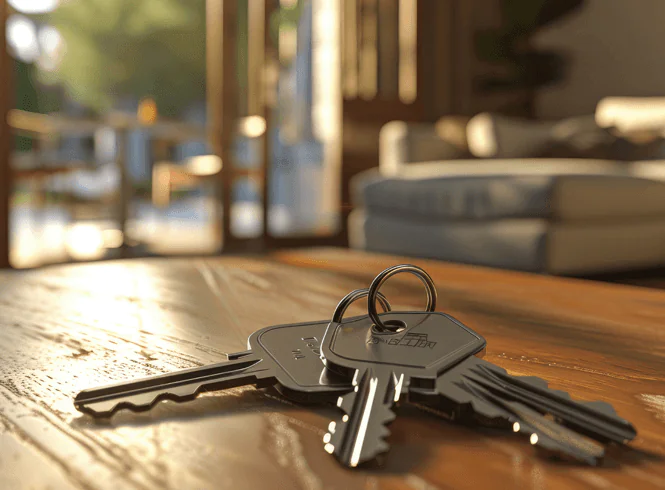
Your key is one of the most important parts of your front door’s security, but it’s easy to overlook signs of wear and damage. A damaged or weakened key can snap inside the lock, potentially leaving you unable to access your home. Start by examining your keys for any visible signs of damage. Look for bends, cracks, worn edges or unusual marks around the blade. If a key appears damaged or has become noticeably harder to turn, avoid continuing to use it. Having a replacement cut before it breaks could save you from an unexpected locksmith callout.
This is worth considering given the findings in our Urgency Report, where snapped keys accounted for approximately 3.96%–6.08% of emergency locksmith jobs, depending on the category of incident recorded.
Next, check that your door’s internal thumb-turn operates smoothly, if you have one fitted. It should turn without excessive resistance and engage the lock correctly. If it feels stiff or catches, this could indicate an issue with the cylinder or wider locking mechanism.
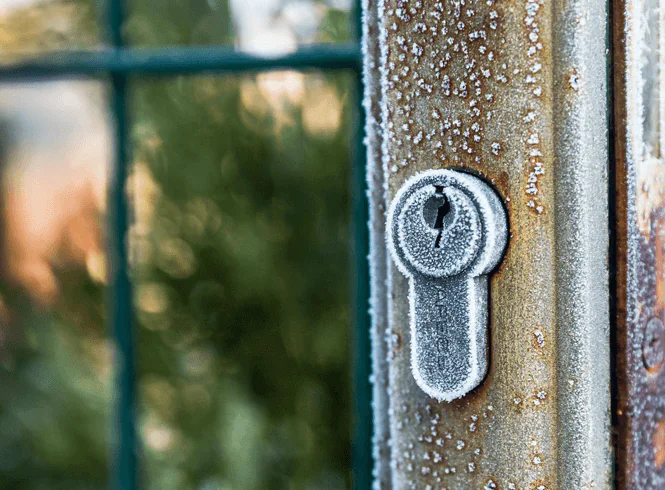
Finally, take a look at your euro-cylinder from the outside of the door. Ideally, it should sit relatively flush with the handle, rather than protruding significantly. An excessively protruding cylinder can present a security risk, as it may be more vulnerable to forced removal. If yours sticks out noticeably, consider asking a professional locksmith about upgrading to an appropriately sized, anti-snap cylinder.
Top tip: Never ignore a key that is becoming increasingly difficult to turn. If it feels like it might snap, stop using it and arrange for a locksmith to inspect the lock before the problem develops into an emergency.
Keep Your Front Door Winter-Ready
Taking just 10 minutes to maintain your front door could help you prevent minor issues from developing into bigger problems during the colder months. From checking door alignment and clearing away debris to lubricating the locking mechanism and inspecting your keys, these simple checks can help keep your door operating smoothly and securely.
Before winter sets in, run through this maintenance checklist:
- Check door alignment: Look for uneven gaps, sticking, or difficulty engaging the lock.
- Remove dirt and debris: Clean around the latch, keeps, and visible locking points.
- Lubricate correctly: Use suitable lock specific products and follow manufacturer guidance.
- Inspect your keys and cylinder: Look for damaged keys, check your thumb turn and ensure your euro cylinder isn’t excessively protruding.
Remember, these checks are preventative measures rather than substitute for professional repairs. If your door is becoming increasingly difficult to operate, your key us sticking or your locking mechanism isn’t engaging properly, do not wait until you are locked out to seek help.
A little maintenance today could save you the stress of an unexpected locksmith emergency tomorrow.

Chloe Harrison
Chloe is the Digital Marketing Executive at Keytek and specialises in creating informative home security content that helps homeowners tackle common lock and door issues with confidence. From practical how-to guides to expert security advice, Chloe focus' on delivering clear, reliable information that is easy to understand.
A Marketing graduate from the University of Kent, Chloe combines strong research skills with insights from Keytek's experienced locksmiths to produce accurate, up-to-date content that homeowners can trust.