
Hidden in Plain Sight: The Most Dangerous Places to Hide Spare Keys

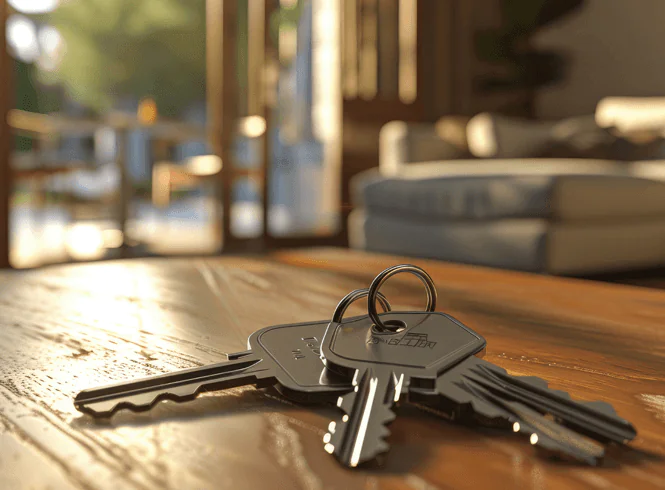
A spare key can be a simple solution to a familiar problem everyone has experienced; being locked out of your own home. But while hiding one outside might seem convenient, choosing the wrong location could create an unnecessary security risk. From slipping a key beneath the doormat to concealing one with garden decorations, many homeowners rely on familiar hiding places without considering how accessible they might be to someone else. What feels discreet to you may not offer the protection your property needs.
Our five-year wear and tear study provides valuable insight into the everyday issues affecting locks, alongside maintaining your homes security. Taking a considered approach to key security is an important part of protecting your home.
The Top 5 Most Dangerous Hiding Spots
Under the Welcome Mat
Hiding a spare key under the welcome mat is the most common solution for homeowners who want easy access in an emergency. However, due to it being so common is exactly what makes it a poor security choice. A key left beneath a mat is not secure against unauthorised access, and anyone who thinks to check underneath could easily find it.
The risk: Your front door is an obvious place for someone to look, making a key hidden nearby an unnecessary vulnerability.
Under a Rock or Garden Decoration
Rocks and decorations are often used to conceal spare keys because they blend into outdoor spaces. However, an object designed to hide a key does not necessarily provide meaningful security. If the item is accessible, then the key is too.
The risk: Concealment alone does not prevent someone from discovering or accessing your spare key.
Inside a Letterbox or Near the Front Door
Letterboxes and areas immediately surrounding the front door can seem convenient places to leave a spare key, however, these locations are also accessible to people outside your household, especially when the letterbox or entrance is not securely enclosed.
The risk: Leaving a key in an accessible location near your main entrance could make it easier for someone unauthorised to obtain it.
Above the Door Frame or Under a Plant
Placing a key above a door frame or beneath a plant pot may seem more discreet that leaving it beneath a mat. However, these locations still reply on the key remaining undiscovered rather than being securely stored.
The risk: A hiding place close to your front door offers not guarantee that the key will remain private or inaccessible
Inside an Unlocked Shed or Garage
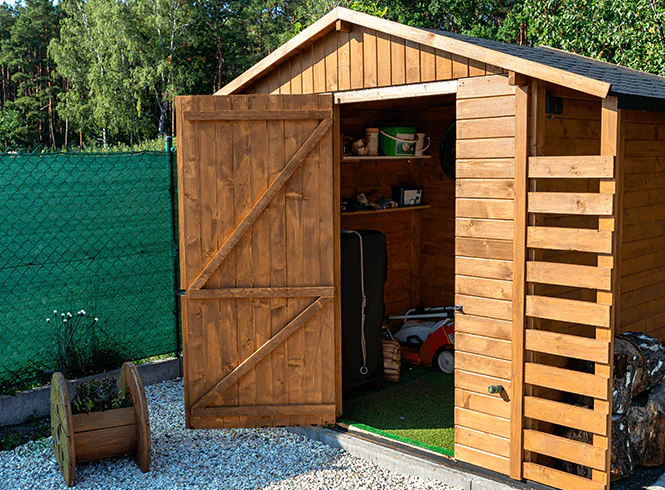
Outdoor storage areas are something else you should consider when reviewing your properties security. An unlocked shed or garage may be accessible to people outside your household. Storing a key inside can create an additional route into your home.
The risk: An outdoor storage area may expose your spare key to people who should not have access to it.
The common theme is that hiding a key is not the same as securing it. Rather than relying on a location that seems difficult to spot, homeowners should consider safer ways to manage spare keys and prevent unwanted access.
The Psychology of Burglar Tactics
When considering home security, it is important to think about how easily an unauthorised person could access your property. A spare key hidden outdoors may seem inconspicuous to a homeowner, but familiar hiding places can offer little protection if someone else knows where to look. Opportunistic intruders may favour situations where access appears straightforward and requires minimal effort. A key left beneath a doormat, under a garden decoration or in an unlocked shed or garage building could create an avoidable opportunity for unauthorised entry.
The surrounding environment also matters. An object that looks out of place, disturbed soil or signs that an item has been moved may draw attention to a potential hiding place. However, these visual clues alone do not establish that a key is concealed nearby. At the end of the day, the safest approach is not finding a more creative hiding spot, but to reduce the risk of a spare key being discovered or accessed by someone unauthorised. Secure storage and controlled access offer a more reliable approach than concealment alone.
Safer Alternative to Hiding a Spare Key
Avoiding a risky hiding place does not mean sacrificing convenience. There re several ways to keep a spare key accessible when needed while maintaining better control over who can entre your property.
Leave a Spare with Someone You Trust
Giving a spare key to a trusted neighbour, friend, or nearby relative is a straightforward alternative. Choosing someone reliable who can keep it secure and make it available if you are locked out.
Consider a Smart Lock or Keyless Entry System
Smart locks and keypads can reduce the need for a physical spare key outside of your home. Depending on the system, you may be able to provide temporary access codes to visitors or trusted individuals. Always choose a suitable, secure system and manage access permissions carefully.
Use a Secure Combination Key Safe
A key safe can provide access to a spare key without leaving it exposed. Choose a robust model, install it according to the manufacturers instructions and keep the access code private.
Do Not Use Magnetic Lockboxes
Magnetic lockboxes may appear convenient, but attaching one to a concealed metal service does not automatically make it secure. If you choose a lockbox, prioritise its security, attachment and resistance to unauthorised access rather than relying on an obscure location.
The best option for keeping a spare key depending on your property and household needs. By planning ahead, you can reduce the risk of a lockout without leaving your home unnecessarily vulnerable.
Protect Your Home: Three Steps to Take Today
Hiding a spare key might seem like a simple way to avoid getting locked out, but convenience should never come at the expense of home security. Familiar hiding places can leave keys accessible to people who should not have access to your property, making it important to consider safer alternatives. The good news is that a few straightforward changes can help you manage your keys more securely.
Here’s what you can do today:
- Audit your current hiding places. Check around your entrance, garden, and outdoor storage areas, and remove any spare keys left in unsecured locations.
- Choose a safer alternative. Consider a trusted keyholder, a securely installed key safe, or a suitable smart lock system.
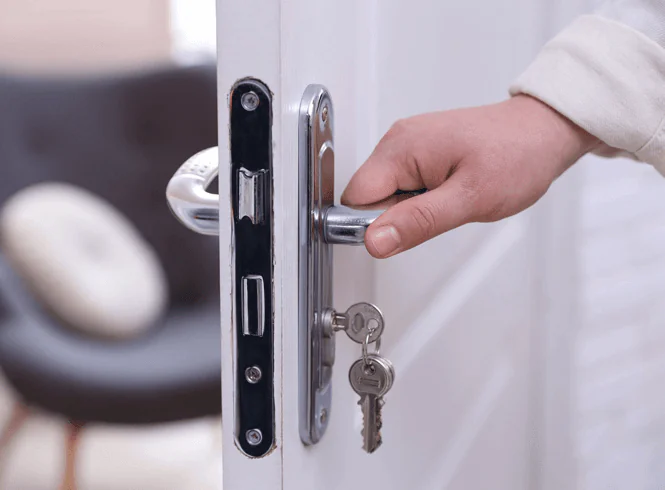
- Review your locks. Check that your door locks operate correctly and seek professional advice if you notice stiffness, unusual resistance or other signs of wear.
Taking these steps can help you reduce avoidable security risks while maintaining convenient access to your home.
For further advice on maintaining your locks and improving your home security, contact our professional locksmith team today.

Chloe Harrison
Chloe is the Digital Marketing Executive at Keytek and specialises in creating informative home security content that helps homeowners tackle common lock and door issues with confidence. From practical how-to guides to expert security advice, Chloe focus' on delivering clear, reliable information that is easy to understand.
A Marketing graduate from the University of Kent, Chloe combines strong research skills with insights from Keytek's experienced locksmiths to produce accurate, up-to-date content that homeowners can trust.