

How To Care for Windows

Windows are vital parts of your home comfort, security, and aesthetics. Over time, weather, pollution, and everyday wear and tear can take a toll on your windows and can lead to a costly replacement. However, regularly maintaining your windows with the right care can keep them looking pristine and functioning correctly, as well as maintaining heat inside your home.
Whether your windows are made from aluminium, uPVC, timber, and have standard glazing or energy-efficient glass, each component, from the locks to the hinges, requires specific care. This guide aims to help you maintain every aspect of your window with ease!
Caring for Window Glazing
To keep your window glazing looking and performing at its best, it’s important to have a regular cleaning schedule with your windows. We recommend that you clean your windows at least twice a year, maybe more if you live near an are with a lot of pollution such as cities, buildings, farms or even the coast.
Tips for Cleaning Window Glazing
- Use a clean cloth with soap and water.
- Use cleaning solutions following all cleaning product instructions.
- Keep the cleaning solution away from the frames.
- Remove all residue with clean water from the glass.
- Do not use any creams with an abrasive paste.
- Do not use steel wool to remove stubborn markings.
How to Remove Paint from Windows
To remove dried paint from windows, you should:
- Clean the window thoroughly to remove any dirt or debris
- Use a solvent (such as a heated water/vinegar mixture) and a microfibre cloth to soften the paint
- Gently scrape away the pain with a paint scraper or similar tool
If you accidentally spill water-based paint on the window, remove it as soon as possible with warm, soapy water. If you’ve dropped spirit-based paint on the window, use white spirit (a flammable, clear liquid made from petroleum, used for cleaning, degreasing, and as a solvent) to remove it. You don’t want a small amount of paint on your window to ruin your new renovation!
How to Deal with Condensation on Windows
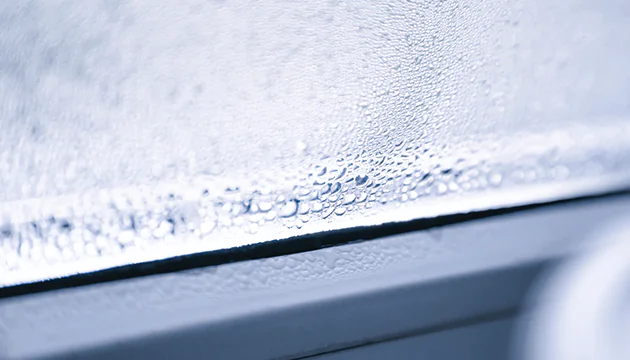
Condensation can be caused by an imbalance of temperatures, and for windows, usually the warmer the window is, the less likely it is to suffer from condensation. Condensation occurs on the outside of the glazing, on the inside of the panes, or in between the panes. If it’s on the outside, this is good and a demonstration of quality glazing. If it’s inside the house, this is caused by a lack of ventilation and lower-quality glazing. We recommend replacing your glazing for health concerns; if there is too much buildup, it could lead to dampness and potential mould growth.
The warmer a window stays, the less likely it is to develop condensation. That’s why windows with double or triple glazing are preferable, as they retain more heat. Condensation on the outside may appear after a cold night followed by a rapid increase in temperature or moisture. But don’t worry—it will go away as the window warms up past the dew point.
Window Frame Cleaning and Maintenance
Taking care of your window frames is just as vital as cleaning the glass. While dirt from the weather and pollution is unlikely to cause damage, regular cleaning keeps your frames in good condition—especially if you live in a city or near the sea.
Aluminium and uPVC Window Frames
Cleaning Frequency
- Urban/coastal: Every 3 months.
- Rural: Twice a year.
Cleaning Guidelines
- Use a soft cloth and soapy water.
- For stubborn stains, a stiff fibre brushes may be necessary (only for the frame).
- Avoid: Glass cleaner, kitchen/bathroom cleaners, and abrasive materials.
Timber Window Frames
Cleaning Guidelines
- Remove dirt using warm water with a soft cloth.
- Clean all surfaces, including the sill, and then wipe down with a dry cloth.
Recoating Process
Recoating timber window frames is when you apply a glaze or coloured paint to protect or change the aesthetic of a window. This process is also used to help protect the window from the elements and increase its longevity. You do this by:
- Clean the window or door and let it dry completely.
- Lightly sand the surface with wet-and-dry abrasive paper to smooth it out (just to remove grease and dirt, not the entire coating).
- Wipe away dust with a damp cloth.
- Apply a micro-porous paint with a brush—don’t overload it and avoid seals or gaskets. Stick to microporous finishes and follow the instructions on the container.
Handling Scratches and Chips
- To avoid further problems, immediately re-paint damaged timber.
- Sand lightly along the grain to remove surface damage, then wipe away any dust with a moist cloth.
- If necessary, level the area with timber filler before applying the finish again.

Window Parts Maintenance
Window locks, hinges, and handles require just infrequent repair. We recommend that you clean and polish your hardware on occasion. Any moving parts, such as hinges, should be well greased, especially if any fittings create a squeaky noise.
Lubricating Locks and Hinges
- Use light machine oil or graphite powder for metal parts.
- Avoid WD40 or grease for plastic components (self-lubricating).
Looking to Upgrade Your Window Security?
If you’re planning to upgrade your window security, we’ve got you covered. Our comprehensive window security guide offers practical tips and solutions to help you protect your home and give you peace of mind.

Hollie Ferris
Hollie is Keytek Locksmith's uPVC specialist, bringing her experience in uPVC doors, locks and window mechanisms from a unique background in the glazing industry. Growing up in a family that operates a successful local double-glazing company, she developed an intuitive understanding of uPVC systems from an early age and gained hands-on experience through her first role in the family business. After earning her bachelor's degree from Bournemouth University, Hollie joined Keytek where she has been the go-to expert for all uPVC-related challenges for the past 6 years. She creates comprehensive guides and troubleshooting content, helping homeowners understand their uPVC door mechanisms, identify common lock problems, and determine when professional locksmith services are needed. Read all of Hollie's insights at keytek.co.uk, including comprehensive uPVC maintenance guides.
Frequently Asked Questions
Why is Condensation Forming on my Windows?
Condensation happens on windows when warm, humid air comes into touch with the cool glass surface. This causes the air to lose its ability to retain moisture, resulting in condensation.
What is the Best Way to Clean Stubborn Stains From uPVC Frames?
Using either warm water and soap, white vinegar or a white Spirit, gently wipe down the frame to remove any stubborn marks or sticky sections.
How Often Should I Recoat Timber Window Frames?
It’s recommend recoating your window frames every 5 to 7 years but this frequency depends on the paint quality and the weather conditions.
I’m Having Problems with My uPVC Window?
If you are struggling with a UPVC window that won’t open, here are some common causes and fixes that can help you try and sort the issue yourself! If you believe the issue to be with your uPVC hinges or have a problem with your window seal, give our uPVC problem guide a read for the best advice; however, if you are still unsure, don’t be afraid to get in touch with a professional to attend to and fix your issue.