

What Is Living In Milton Keynes Like?
Last Updated October 2025
50 miles north-west from London and about 77 miles south-east of Birmingham, lies Milton Keynes in Buckinghamshire. The population of Milton Keynes at the time of the 2021 Official Census was nearly 287,000.
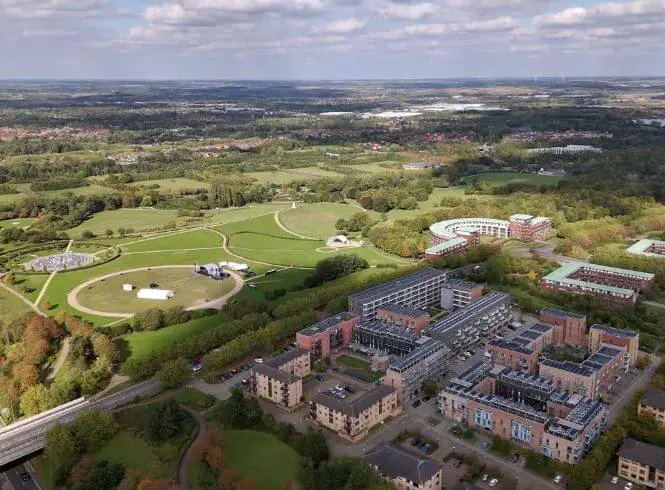
A modern city, it was designated a new town in 1967 to help reduce housing congestion in London. Designated in a non-hierarchical manner, the grid-based layout, open green spaces and lakes are built around the existing towns and villages.
With a productive economy and key industries including technology, linguistics, finance and more, it has become a popular area for start-up businesses; the rapid population growth in the workforce has big employers like Redbull, Apple and Mercedes-Benz.
Brief History of Milton Keynes
Designated a town in 1967, Milton Keynes is a blend of an ancient settlement, medieval heritage, and modern planning. With evidence of human occupation back to the Bronze Age, there is evidence of early communities dating back to theRomann period.
Saxon villages were established during the medieval and Saxon period, with them being recorded in the Domesday Book (1086) under the name Middleton; it became known as Middleton de Keynes after the Norman conquest.
During the 19th century, the town’s economy transformed. Due to post-war housing shortages in London, the Milton Keynes Development Corporation (MKDC) was formed to plan and construct the new city, which included existing towns, villages, and surrounding farmland.
Originally planned for 250,00 residents, the city has expanded and rapidly attracted investments in technology, finance and logistics. As of 2022, Milton Keynes was officially granted city status under the Queen’s Platinum Jubilee celebrations.
Is Milton Keynes a Good Place to Live?
As a modern and well-connected city, Milton Keynes is often considered a good place to live, especially for commuters, young professionals and families. With its strong economy, good quality of life, green spaces, and transport links; especially with London, it’s a very popular UK city. However, Milton Keynes is seen as ‘built-up’ and a set away from a more historic or traditional city compared to others in the UK.
The Positives
- Affordable Living – Significantly cheaper than London, Milton Keynes offers a range of housing options for both buying and letting. With a good quality of life and cultural scene like shopping centres, leisure facilities, theatres, galleries and more, it has plenty to offer.
- Employment Opportunities – With one of the lowest unemployment rates in the UK, 6%, there is a thriving economy offering a higher wage on average compared to other cities. As a technology hub with many start-ups, it’s also a multinational company headquarters.
- Transport & Location – A major commuter hub located halfway between London and Birmingham; there are efficient train links and well-connected roads with access to the M1.
- Family & Nature – Milton Keynes is below the national average for crime in the UK, with many good schools and modern housing developments. There is also access to over 200 parks, cycle and foot paths and large lakes.
Things to Consider
- ‘Lacking Character’ – A planned new city from the 1960s, Milton Keynes lacks the character and architecture of some of the more historical cities in the UK, and its lack of culture and history has caused many to perceive it as a ‘concrete jungle’.
- Crime Rates – Though generally safer than most UK cities (excluding Scotland), crime is generally concentrated in the city centre, with the outlying villages generally being safer.
- Isolation – Residential estates with the grid roads may create feelings of isolation for some residents without a main high street or community hub. Due to the grid system, a car is generally required, as buses and walking long distances are not convenient for all.
How Safe is Milton Keynes?
Milton Keynes has an overall crime rate of 57 per thousand, higher than England’s average of 67 per thousand. Despite this, Buckinghamshire is among the most dangerous counties, but it is still lower than the regional and national crime rate. Milton Keynes has similar crime rates to Warwick (56 per 1000) and Swindon (59 per 1000) have similar crime rates to Milton Keynes.
The most common crimes in Milton Keynes are violent and sexual offences, vehicle crime, and anti-social behaviour. Milton Keynes’s least common crimes are robbery, theft from the person, and possession of weapons.
Though Milton Keynes is generally safe, with well-lit streets, patrolled downtown districts, and friendly locals.
*Crime statistics vary due to factors such as boundaries, types of crime, and timeframes. Some datasets focus on major crimes, while others include minor offences or traffic-related issues.
Updating Home Your Security
Are you worried about your home security? You can upgrade your home security with simple measures yourself, but for the best protection, it’s always advisable to use a professional locksmith. At Keytek, our fully trained and accredited locksmiths in Milton Keynes provide a free home security check with every site visit. Just ask your locksmith for additional security advice, and we’ll be happy to help.
House & Rental Prices: Milton Keynes 2025
Rental Prices:
As of August 2025, the average monthly private rent in Milton Keynes was £1,294, up from the previous year by 2.1% from £1,267 in August 2024.
Average rents by property type were:
- One-bedroom: £939
- Two-bedroom: £1,170
- Three-bedroom: £1,392
- Four-bedroom: £2,019
For specific types, flats and maisonettes averaged £1,098, terraced properties £1,291, semi-detached properties £1,366, and detached properties £1,888.
Buyer Prices:
In July 2025, the provisional average house price in Milton Keynes was £331,000, increasing from July 2024 being £313,000 with a 5.8% increase. July 2025 saw detached house prices rise by 7.4%, whilst the average price for flats increased by 2.5% over the year.
Average prices for property types were detached £564,000, semi-detached £332,000, terraced £274,000, and flats/maisonettes £172,000.
All figures and average prices taken from ONS
Recommended Places to Live in Milton Keynes
Broughton
Best for: families, commuters, young professionals, retirees
Property types: a variety of modern and older homes, including detached, semi-detached, terraced houses, and flats
Broughton is a village with a history stretching back to Roman and Saxon times. Archaeological finds show that people farmed and raised animals here as early as the 2nd to 4th centuries AD. In 1967, Broughton joined the new city of Milton Keynes and has grown steadily since then, with new homes built around the original village. The village itself is now a conservation area, while the surrounding district includes a variety of modern housing developments.
- Considered a ‘walkable’ neighbourhood with red ways (footpaths and cycle lanes), though cars are preferred for longer distances.
- About 3 miles from the city centre, with access to city amenities and green spaces and parks such as Willen Lake and Campbell Park
- Noted as a ‘friendly’ place to live, with residents often describing it as safe, making it popular with families.
- Less nightlife than the city centre, which can be a drive away and a drawback for some
Emerson Valley
Best for: families, commuters and nature lovers
Property types: modern larger family homes, detached, semi-detached, and terraced houses
Emerson Valley is a residential estate developed in the 1980s, recognised for its tree-lined streets, open green spaces, and welcoming community. As a modern area, its name and street names were selected to reflect a specific theme within the city’s planned development. With a high proportion of homeowners, Emerson Valley is known for its safety and family-friendly environment. The estate follows the city’s grid road system and is bordered by the Windmill Hill, Westcroft, Furzton, and Emerson roundabouts.
- Emerson Valley is a friendly and safe neighbourhood in Milton Keynes, known for its clean, tree-lined streets, parks, and schools, with a lower crime rate.
- The neighbourhood is known for its peaceful atmosphere and walkable, with excellent paths and routes for pedestrians and cyclists, including connections to the Redway network.
- A central location well-served by major road links, including the M1, A5, and A421, and is a short drive from the Milton Keynes Central train station.
- The neighbourhood is also known for its good amenities, including local shops, take-away restaurants, and a pub.
Loughton
Best for: families and professionals
Property types: flats and semi-detached, and terraced houses
Loughton is an ancient village dating back to the Domesday Book of 1086. Divided into Great Loughton and Little Loughton, it’s now part of the modern grid of Milton Keynes but retains its historic character with 13th-century buildings like All Saints Church. Emerson Valley, a modern, family-friendly estate in Milton Keynes, was built in the 1980s and is known for its tree-lined streets, pleasant parks, and safe atmosphere.
- A family-friendly, commuting neighbourhood in Milton Keynes, known for its peaceful, safe environment and large green spaces. Located just west of Central Milton Keynes, with easy access to the train station and transport links via the A5 and the city’s Redway system.
- The area offers a mix of housing, from historic buildings to mid-century and modern developments. The original village part retains historic listed buildings and a relatively untouched atmosphere, making it a popular choice for families.
- The area is walkable, making it easy to access local amenities on foot. The Loughton Valley Park and the Loughton Equestrian Centre provide traffic-free walking and cycling routes.
- Like the rest of Milton Keynes, there is a level of congestion during peak hours due to the city’s rapid growth, which can also affect public transport.
Oakgrove
Best for: families, professionals, and young people
Property types: Detached and Semi-detached Houses, Terraced houses, Townhouses, apartments and Penthouse apartments
Oakgrove is a modern district in Milton Keynes, known for its mix of residential and green spaces. While its current development began around the 21st century, the land’s history goes back to a 1685 estate map. Originally a quarry, Oakgrove was the site of archaeological investigations that uncovered Bronze Age, Iron Age, and Saxon remains.
- Oakgrove is a highly regarded development known for its exceptional “all-through” school, offering top academic results. With access to both ‘Outstanding’ and ‘Good’ schools for primary school children.
- Despite being a new development, Oakgrove is developing a strong community feel, with the school playing a key role in fostering this.
- It’s well-connected to London and other cities, with multiple bus routes and Milton Keynes Central Station nearby. There is also access to excellent amenities, including a small local retail centre.
- The area is also home to abundant green spaces, including a linear park along the Ouzel River flood plain, providing access to walking areas and green spaces.
The Shenley’s
Best for: families, couples and retirees
Property types: detached and semi-detached properties, terraced houses, bungalows, flats and contemporary houses
The Shenley’s is a local term for three districts: Shenley Church End, Shenley Brook End, and Shenley Lodge.
- Shenley Church End – 2 miles from central Milton Keynes, it is a peaceful and clean village often attracting families and those who enjoy access to the countryside. There is also access to a leisure centre, a medical practice, several small shops and restaurants.
- Shenley Brook End – About 2.5 miles from the centre of Milton Keynes and just north of Bletchley, this is a modern, family-friendly residential area with roots in a historic village. There is access to ‘Good’ primary and secondary schools. With the presence of nearby parks and walkable amenities, it is a clean area.
- Shenley Lodge – 7 minutes away from Milton Keynes Central, this peaceful and clean area is considered good for families with access to an ‘Outstanding’ primary school. Much like the other Shenley areas, Lodge offers plenty of access to open parks and other green spaces.
- All of the areas have good connectivity to the city centre and to the main roads out of Milton Keynes, with a distinctive mix of housing with a strong sense of community and peaceful atmospheres.
Cost of Living in Milton Keynes
Milton Keynes is an affordable city, approximately 23.4% cheaper than London. A one-bedroom flat in the city centre costs around £1,263 or £1,012 for a 1 bed flat outside of the city centre, per month. For groceries and utilities*, you can expect to spend about £410.54 each month.**
An ‘Adult 4-week’, a bus ticket that allows unlimited bus travel on allbusess will cost £90 for Arriva bus coverage within Milton Keynes and up to Nottingham.
A seasonal train ticket from Milton Keynes to London will start from £780.
A single adult living alone can anticipate monthly expenses ranging from £1,660 (outer-city rent and bus pass) to £2,601 (inner-city rent with monthly train ticket), which includes a chain gym membership (£16.99) and social activities and 1 cinema ticket (£14.49) – £130.89). However, these costs can vary based on individual lifestyle choices and spending habits.
LGBTQ+
As a highly inclusive city, Milton Keynes is known for its diverse and welcoming environment for LGBTQ+ residents and visitors. The city’s supportive community organisations and annual Pride celebrations reflect this reputation. Local feedback often highlights the city’s open-mindedness, safety, and sense of belonging for LGBTQ+ people.
LGBTQ+ venues and events in Milton Keynes include Pink Punters, the annual Pride Festival, Bottomless Drag at Popworld, Gay Outdoor Club, LGBT Choir MK, and the Theatre District & Wolverton. Q:alliance, established in 1998, provides support, advocacy, and education services, along with regular meetups and community projects. Under The Umbrella (UTu) offers peer support groups for LGBTQ+ people aged 13-25, as well as resources for their parents and carers.
The Rainbow Fund, run by the Milton Keynes Community Foundation, supports local LGBTQ+ projects and events, helping foster inclusion and visibility. Meeting and social groups offer regular social activities to help locals connect in relaxed and supportive settings.
Commuting and Travel
Car
Commuters’ primary road networks consist of the M1 and the dual carriageway (A5). It supports the city’s unique grid road system for national travel. It’s designed to minimise congestion, but congestion is still common on key roads at peak times.
Motorways
- M1 – The most significant route connecting Milton Keynes to Luton, St Albans, Watford and London (Southbound). It also connects northbound to Northampton, Leicester, Nottingham, Sheffield, and beyond.
A-roads
- A5 – Southbound to Luton and then Northbound to Rugby, Hinckley, and Walsall. It’s also the main road through Milton Keynes.
- A421 – Westbound to Buckingham and eastbound to Bedford, and St Neots; connects the city to the M1 at junction 13.
- A509 – Leading northbound to Warrington, Wellingborough, and Kettering. The main H-road connecting commuters across Milton Keynes and providing access to Northampton to the north.
- A4146 – Leads southbound to Leighton Buzzard
Walking & Cycling
Milton Keynes is a great city for walking and cycling, thanks to its purpose-built Redway system. This network includes over 200 miles of shared-use paths connecting neighbourhoods, workplaces, and parks. The red-surfaced routes offer a safe and scenic way to commute or explore the city while avoiding heavy traffic.
For commuters, Cycle to Work schemes like Cyclescheme and Cycle Solutions are available through participating employers to make cycling more affordable. Local resources such as Get Around MK offer maps, safety advice, and route planning.
Bus
Milton Keynes’s bus network combines fixed and flexible services to meet diverse travel needs. The Arriva Loop, launched in 2025, is an hourly circular route linking key areas like Kingston, the City Centre, Stadium MK, and The Open University. MK Connect complements it with an on-demand service for areas beyond regular routes, bookable via app, web, or phone. Together, they provide reliable, adaptable connections across the city and nearby towns—showcasing modern urban transport planning.
Train
Milton Keynes Central Railway Station is near the M5, providing direct routes to major cities: London (approx. 45 minutes), Birmingham (approx. 1 hour 20 minutes), Leicester (approx. 2 hours) and Northampton (approx. 20 min).
Operated by Avanti Westcoast, West Midlands Railway and London Northwestern Railway, who each have their own maps for connecting rail services.
Working in Milton Keynes
Milton Keynes has a thriving economy driven by innovation, sustainability, and strategic planning. It has attracted tech firms, start-ups, and global companies. Its location between London, Birmingham, Oxford, and Cambridge, with excellent motorway and rail links, makes it a prime destination for commerce and logistics.
The city’s economy is driven by technology, advanced manufacturing, logistics, and professional services, along with major players in automotive, finance, and retail. Milton Keynes also leads in sustainable growth, investing in green technologies and smart city initiatives. Supported by a skilled workforce and outstanding educational institutions, it continues to stand out as one of the UK’s most economically vibrant and future-focused cities.
The UK Careers Fair offers insights into Milton Keynes’ key industries and what it’s like to work in them.
Milton Keynes Landmarks
Visiting Milton Keynes? This dynamic city combines striking modern architecture with expansive green spaces, offering a unique mix of culture, leisure, and innovation. Discover top attractions, beautiful parks, and a thriving arts and entertainment scene. Milton Keynes offers plenty to explore, from days out with the kids to historic museums, parks, and more.
Heritage & Discovery
Bletchley Park
Built in 1883 and acquired by the government in 1938, Bletchley Park became the secret base for Britain’s World War II codebreakers and the workplace of Alan Turing, who developed the Bombe machine to decode Enigma messages. Now a museum and conservation area, it opened to the public in 2009 and hosts year-round events on wartime life, technology, and codebreaking. Tickets start at £17 (free for under-12s) and include unlimited visits for a year, with special offers for locals within 10 miles.
Milton Keynes Museum
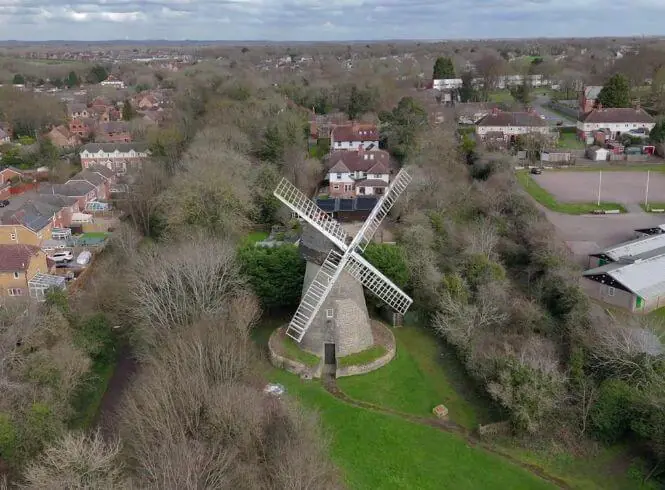
The Milton Keynes Museum, founded in 1967 on the 1840s Stacey Hill Farm, preserves local history through interactive and family-friendly exhibits. Highlights include the Ancient Gallery with “Iggy the Ichthyosaur,” hands-on displays like the Victorian Sweetshop and old telephone exchange, and events throughout the year. The museum also maintains the Bardwell Windmill, Buckinghamshire’s oldest, a Grade II site occasionally open to visitors.
National Museum of Computing
The National Museum of Computing (TNMoC), one of England’s top 100 Irreplaceable Places, houses the world’s largest collection of working historic computers, including the Enigma, Lorenz, Turing-Welchman Bombe, Colossus, and WITCH. Located on the Bletchley Park estate but independently run, it hosts year-round events, guided tours, and exhibitions. During school holidays, family STEM activity days feature coding, robotics, AR, and VR to inspire young tech enthusiasts.
Adventure & Outdoors
Milton Keynes Gallery
Opened in 1999, MK Gallery showcases local, national, and international art across five galleries, hosting three major rotating exhibitions each year. Known for its accessible, high-quality programming, it also offers talks, tours, workshops, and family events. General admission is free, with fees for special exhibitions and screenings in the Sky Cinema Room.
Willen Lake
A local favourite, Willen Lake was created in the 1970s for flood prevention and is now a major leisure destination managed by The Parks Trust. The twin lakes offer water activities like kayaking, sailing, and paddleboarding, plus land-based fun such as Treetop Extreme, axe-throwing, and adventure golf. Events run year-round, and the Willen Wonders Card offers discounts for regular visitors. Entry is free, though activities and parking are paid.
Woburn Safari Park
About 30 minutes from Milton Keynes, Woburn Safari Park spans 360 acres and is home to over 75 species of exotic and endangered animals. The Road Safari offers a drive-through experience with lions, rhinos, giraffes, and more, while the Foot Safari features reptiles, penguins, meerkats, and otters. Visitors can also enjoy events and VIP animal encounters. Tickets are best booked online in advance to save time and money, especially during busy periods.
Need a Locksmith in Milton Keynes?
Make sure to change your locks when moving into a new home to ensure your home security. Keytek® Locksmiths Milton Keynes offers professional, mobile services that meet British Standards and home insurance requirements. Book a same-day lock change and enjoy a FREE home security check for added peace of mind.
There are many other things you need to consider when moving home so check out our Moving Home Checklist to help you along the way! Once you’re in, consider improving the security of your home further still by checking out our Ultimate Guide to Home Security here!
View our Keytek® Locksmiths Milton Keynes page to find your local Locksmith today or call us on 01908 047885
Need a Locksmith in Milton Keynes?


Jessica Davies
Jessica brings over six years of specialised expertise to Keytek's comprehensive UK location guides, combining meticulous research with genuine local insight. As the architect behind Keytek’s area profiles, she delivers essential intelligence on house prices, crime statistics, schools, and community character—everything you need to know about the city or town. Armed with a photography degree from the University of Brighton and an exhibited portfolio, Jessica approaches each location asking, "What would it be like to live here?" This perspective transforms dry statistics into lived experience, revealing not just what places cost, but what they truly offer. Since 2019, Jessica has partnered with Keytek®'s security professionals, weaving real-world safety expertise into every guide. Her work addresses practical realities: Is this neighbourhood genuinely safe? What security considerations matter? How does local infrastructure support daily life? From bustling cities to quiet villages, Jessica's field research uncovers authentic local character. Her commitment to accuracy and on-the-ground investigation has established her as a trusted voice—helping people navigate different locations across the UK and home security with complete confidence.
Frequently Asked Questions
Is Milton Keynes a good place to live?
Yes, Milton Keynes is considered a great place to live, particularly for families, commuters, and young professionals. It offers affordable housing, strong employment opportunities, and excellent transport links to London and Birmingham, as well as over 200 parks and lakes.
How safe is Milton Keynes?
Milton Keynes has an overall crime rate of 57 per thousand, slightly below the national average of 67 per thousand. Most crimes occur in the city centre, while outlying villages and estates are safer. The city has strong community policing, good lighting, and safe neighbourhoods.
What universities are in Milton Keynes?
The main university is The Open University, the UK’s largest provider of distance learning degrees. It offers flexible, career-focused courses and has partnerships for local student accommodation and events.
What are the main industries and employers in Milton Keynes?
Milton Keynes has a diverse economy, with key industries including technology, finance, logistics, and automotive. Major employers include Red Bull, Apple, and Mercedes-Benz. It has one of the UK’s lowest unemployment rates at 3.6%.