

Newcastle Upon Tyne - Complete Local Area Guide

Welcome to our comprehensive guide to Newcastle upon Tyne, one of Northeast England’s most vibrant and characterful cities. Whether you’re considering relocating, investing in property, or simply want to understand what makes this remarkable city tick, this guide provides everything you need to know about living in Newcastle.
In the following sections, we’ll explore Newcastle’s diverse neighbourhoods, examine its excellent transport connections, analyse the property market, and give you an honest assessment of the pros and cons of calling this city home. From the trendy cafes of Jesmond to the creative energy of Ouseburn, from practical considerations like commuting costs to lifestyle factors like nightlife and culture, we cover all the essential information to help you make informed decisions about Newcastle.
Is Newcastle a Good Place to Live?
Newcastle upon Tyne is widely regarded as a good place to live, thanks to its mix of history, culture, affordability, and community spirit. Set on the banks of the River Tyne, it blends Roman heritage and Victorian architecture with modern developments and creative industries, creating a city that feels both historic and forward-looking.
With a population of over 300,000 residents, Newcastle balances the buzz of a university city with the opportunities of a growing tech and digital hub. The presence of Newcastle University and Northumbria University brings youthful energy, while strong career prospects in education, healthcare, and digital innovation make it appealing to professionals and families alike.
Living in Newcastle is also highly convenient. The city’s compact size and excellent transport links mean most amenities, workplaces, and cultural attractions are within walking distance or a short Metro ride. Areas like the Quayside highlight the city’s transformation, with converted warehouses, luxury apartments, and cultural landmarks such as the Baltic Centre for Contemporary Art and Sage Gateshead, all contributing to a vibrant riverside lifestyle.
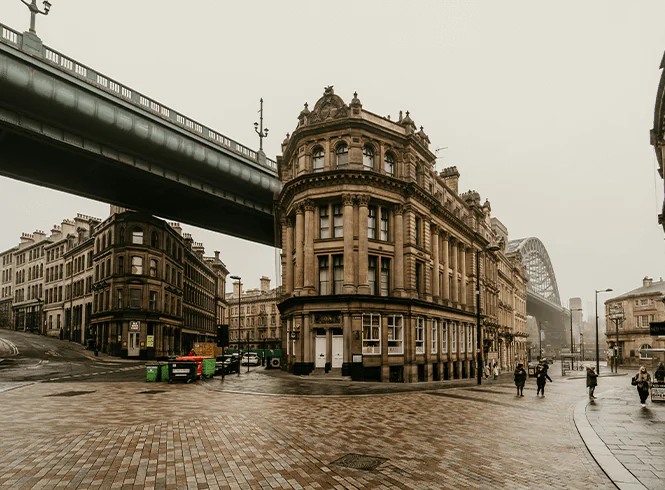
Living in Newcastle – Property & Housing
Newcastle property market delivers exceptional value for money compared to most UK cities. This affordability attracts first-time buyers, property investors, and families seeking quality housing at accessible prices.
Newcastle Property Prices
Newcastle property prices remain significantly below UK national averages, with prices ranging in different areas and property types.
Property Type | Average Price |
Flat | £151,777 |
Terraced | £215,693 |
Semi-detached | £237,595 |
Detached | £397,320 |
Last updated: September 2025 | |
Overall, Newcastle homes sold for an average of £239,069 over the last year, this is a +3% increase compared to the previous year.
Renting in Newcastle
The average monthly rent paid in Newcastle is £1,097 (+11% compared to 2024) but rental costs are heavily depended on the area of Newcastle and size of the property.
Average rent costs:
- Room: £687 pcm
- Flat: £1,327 pcm
- House: £1,603 pcm
The number of rooms in a property can also influence the price for rent with one bedroom on average costing £664 pcm ranging upwards to 4+ bedrooms costing £1,760 pcm.
[Averages accurate as of August 2025, verified through Rightmove, Zoopla , Home.co.uk, Varbes and the Office of National Statistics (ONS)]
Newcastle Neighbourhood Comparison
Newcastle offers a wide range of neighbourhoods, each with its own character, housing style, and community appeal. From the leafy family hub of Gosforth to the creative energy of Ouseburn and the riverside luxury of the Quayside, the city has something to suit every lifestyle. The table below provides a quick comparison of the main areas, highlighting who they’re best for, typical housing, key features, and transport links.
Area | Who It's Best For | Housing Style | Key Features | Transport Links |
Jesmond | Professionals, academics, affluent students | Victorian terraces, period apartments, private gardens | Jesmond Dene, village-like feel, vibrant social scene | Metro + frequent buses |
Gosforth | Families | Terraces, semi-detached, detached homes | Excellent schools, racecourse, leafy green spaces, High Street shopping | Metro + city bus routes |
Heaton | Young professionals, students, creatives | Victorian terraces, affordable homes | Chillingham Road cafes, regeneration projects, strong community | Bus links + improving transport |
Ouseburn | Artists, musicians, creative professionals | Converted warehouses, new-build apartments, riverside living | Cultural venues, art studios, music and nightlife | Walking distance to centre, good bus routes |
Quayside | Affluent professionals, downsizers | Modern apartments, luxury developments | River Tyne views, fine dining, nightlife, cultural attractions | Central location, easy city access |
Jesmond
Often regarded as Newcastle’s most prestigious area, Jesmond blends Victorian architecture with a lively social scene. Tree-lined streets feature terraced houses, period apartments, and private gardens, while cafes, boutiques, and gastropubs give it a village feel within the city.
Jesmond Dene, a wooded valley with trails, picnic spots, and a petting zoo, provides green space at the heart of the suburb. The area attracts professionals, academics, and affluent students, supported by excellent Metro and bus links to the city centre.
Gosforth
Gosforth is a leafy, family-friendly suburb known for its excellent schools and spacious homes. The High Street offers supermarkets, shops, and restaurants, making it a convenient hub for residents.
Popular with families for its renowned schools, Gosforth also offers green spaces and a racecourse. Housing ranges from terraces to large, detached homes, and Metro connections provide quick access to the city centre.
Heaton
Heaton is one of Newcastle’s most dynamic and affordable neighbourhoods, appealing to young professionals, students, and creatives. The area’s Victorian terraces offer characterful housing close to the city centre.
Chillingham Road, lined with cafes, shops, and restaurants, forms the neighbourhood’s lively spine. Recent regeneration has improved amenities and transport, boosting Heaton’s growing popularity.
Ouseburn
Recognised as Newcastle’s creative quarter, Ouseburn has transformed from an industrial hub into a district of art studios, music venues, and cultural spaces.
Housing includes converted warehouses, riverside apartments, and new builds, attracting artists, musicians, and creative professionals. A packed calendar of cultural events and nightlife makes Ouseburn one of the city’s most distinctive communities.
Quayside
The Quayside is Newcastle’s most prestigious riverside district, offering luxury apartments with views of the River Tyne and iconic bridges.
The waterfront is lined with restaurants, bars, and cultural venues, creating a vibrant setting for affluent professionals and downsizers. Scenic riverside walks and nightlife add to the appeal, though property prices reflect its prime location.
Transport and Connections in Newcastle
Newcastle’s transport infrastructure is among the best in Northern England, making it an ideal base for both daily commuting and weekend adventures.
Road Networks
The A1 motorway provides direct access north to Scotland and south through Yorkshire, while the A19 connects to Teesside and the wider Northeast coast. The city centre is easily accessible from all directions, though like many urban centres, parking can be limited and expensive. The outer ring road system efficiently channels traffic around the city, reducing congestion in residential areas.
Rail Connections
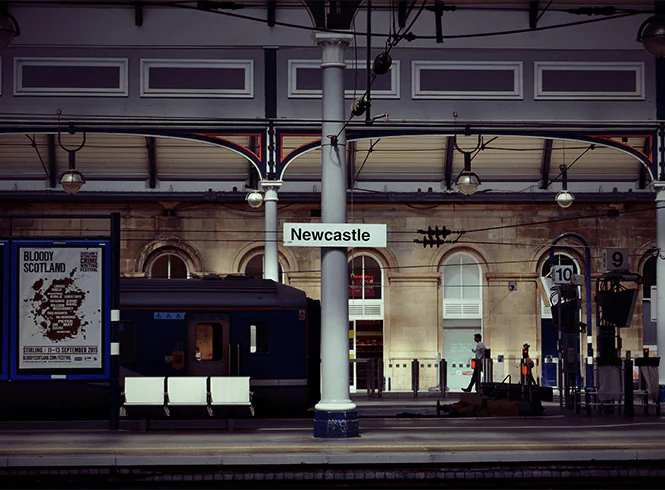
Newcastle Central Station stands as one of Britain’s most impressive Victorian railway terminals, serving as the North East’s primary rail hub. Direct services reach London King’s Cross in under three hours, while regular connections serve Edinburgh, Leeds, Manchester, and Birmingham. The East Coast Main Line makes Newcastle highly accessible for business travel, with many residents commuting to other major cities.
Local rail services connect to the airport, coast, and surrounding towns, while the cross-border service to Carlisle offers stunning views across Hadrian’s Wall country.
Metro System
The Tyne and Wear Metro is the backbone of local transport, connecting Newcastle city centre with Gateshead, North Shields, Whitley Bay, South Shields, and Sunderland. The system runs from early morning until after midnight, with services every 6-12 minutes during peak hours. The Metro reaches Newcastle International Airport in just 20 minutes from the city centre, making it one of the most convenient airport connections in the UK.
Generally, the metro is considered to be one of the country’s most efficient modes of transport dispute a few issues with long delays. They are tackling this through improvements to the infrastructure.
Bus Services
Comprehensive bus networks operated by Go Northeast, Arriva, and Stagecoach connect every neighbourhood, with frequent services to surrounding towns and villages. The city centre’s Eldon Square bus station serves as the main hub, while the Quayside and Central Station provide additional interchange points.
Air Travel
Newcastle International Airport offers excellent connectivity, with direct flights to over 80 destinations across Europe and beyond. Budget carriers provide affordable links to European cities, while scheduled services reach major business destinations. The airport’s proximity to the city and direct Metro connection makes it remarkably convenient for both leisure and business travel.
Newcastle Crime Rates
In 2025, Newcastle upon Tyne registered 91 crimes per 1,000 people (CrimeRate), which unfortunately places it within the top 5 most dangerous major cities in England, Wales and Northern Ireland.
Locals on Reddit mention that the city is “safer now than years ago” which is probably a shared sentiment from many locals thanks to a -14% decline in crime since 2023.
Based on data for the Newcastle postcode area (June 2024–May 2025, Plumplot):
- Violent crime: 32% of all crimes; 111% of national rate (45.4 k incidents); down 5.7% year-on-year
- Shoplifting: 10.8% of all crimes; 150% of national rate; up 17.7% YoY
- Anti-social behaviour: 19.5% of crimes; 145% of national rate; down 19.9% YoY
- Other categories like criminal damage, public order, burglary, and drug offences also exceed national levels—even if they comprise smaller shares.
Is Newcastle Safe?
Newcastle upon Tyne experiences higher-than-average crime rates, particularly for violent offences, shoplifting, and anti-social behaviour.
That said, experiences of locals vary: many residents acknowledge both challenges and improvements and that crime is more concentrated in specific hotspots and varies considerably between neighbourhoods.
Staying Safe in Newcastle
Personal Safety
- Stay aware at night – Stick to well-lit streets and busier areas, particularly around the city centre and Quayside. Use licensed taxis or public transport rather than walking long distances after dark.
- Mind valuables – Keep phones, wallets, and bags secure, especially in busy areas such as Northumberland Street or during major events.
- Plan nights out – Newcastle’s nightlife is famous, but drink spiking and anti-social behaviour can occur. Go out with friends, keep an eye on drinks, and arrange safe transport home in advance.
- Use common sense – Trust your instincts, avoid confrontations, and report anything suspicious to Northumbria Police via 101 or 999 in an emergency.
Home Security
- Locks and doors – Fit insurance-approved locks on doors and windows. Consider upgrading to anti-snap Euro cylinder locks, which are more resistant to forced entry.
- Alarms and cameras – A visible burglar alarm or smart doorbell can deter opportunistic crime. Many residents now install CCTV or outdoor lighting for extra reassurance.
- Neighbourhood awareness – Join or follow local Neighbourhood Watch groups to stay updated on crime alerts and community safety tips.
- Secure outbuildings – Bikes, tools, and garden equipment are common theft targets. Use strong padlocks and anchor points in sheds or garages.

Top Things to Do in Newcastle
1. Victoria Tunnel
I did the Victoria Tunnel tour in Newcastle, and it was such a cool experience. The tunnel runs under the city and was first used in the 1800s to move coal, but what really stuck with me was its role in WWII as an air raid shelter. Walking through with a hard hat and torch, it felt eerie but fascinating. The guides were brilliant, mixing history with stories and even sound effects that really brought it to life. It’s a bit damp and chilly, but that just adds to the atmosphere.
Travellers’ Choice | Rated 4.9 from 3,403 reviews on TripAdvisor
2. St James’ Park
St James’ Park is one of those must-see spots in Newcastle, especially if you’re into football. It’s right in the heart of the city and home to Newcastle United. You can take a stadium tour where guides show you behind the scenes—the dressing rooms, the players’ tunnel, even rooftop views over the city. From what I’ve heard, the tours are fun, family-friendly, and full of great stories about the club. Even if you’re not a huge football fan, it sounds like a brilliant way to soak up the atmosphere and get a real feel for the city’s passion.
Travellers’ Choice | Rated 4.7 from 2,175 reviews on TripAdvisor
3. Discovery Museum
I’ve heard great things about the Discovery Museum in Newcastle—it seems like a real gem. Locals say it’s wonderfully engaging for all ages, with interactive exhibits, a science maze, and fascinating displays about the city’s history and iconic engineering marvels like the Turbinia.
It’s free to enter (donations welcome), which makes it perfect for families or anyone wanting a fun, budget-friendly outing. The place is praised for being well-organised, with friendly staff and a welcoming atmosphere—though some visitors mention a few exhibits could use maintenance. One reviewer described it as “surprisingly interesting” and “lovely” for spending an afternoon with family, noting its accessibility and the quality of the building.
Travellers’ Choice | Rated 4.5 from 1,790 reviews on TripAdvisor
Living in Newcastle – Pros & Cons
Advantages
- Great transport links – Fast rail connections, reliable local transport, and Newcastle International Airport make the city well connected for both business and leisure. London, Northumberland, and coastal areas are all easily reached.
- Lower property prices – Housing, entertainment, and daily living costs are lower than most UK cities, allowing residents to enjoy a higher standard of living for less.
- Culture – Museums, galleries, music venues, theatres, and festivals offer a constant stream of cultural events. Nightlife ranges from traditional pubs to modern bars.
- Easy access to nature – Within 30 minutes you’ll find the Northumberland coast, Hadrian’s Wall country, the Pennines, and the North York Moors, perfect for outdoor activities.
- Community spirit – Newcastle’s famous friendliness and sense of pride create a welcoming atmosphere for families, students, and professionals.
Challenges
- Weather – Winters can be cold, wet, and windy, while summers are unpredictable due to the city’s northern location – but this is standard and if you’re a UK resident currently it’s nothing you won’t be used to already.
- Neighbourhoods can be very different – Some areas face higher crime or ongoing regeneration, making research important when choosing where to live.
- Hilly terrain – Steep streets provide great views but can be demanding, especially in winter.
- Large student population – Students bring energy and diversity but also noise and housing demand in some districts.
- Transport gaps – Daytime links are strong, but late-night and weekend Metro services can be limited.
Newcastle combines urban vibrancy, affordability, culture, and community spirit in a way few UK cities can match. While weather and neighbourhood variation pose challenges, the city’s strengths in connectivity, value, and quality of life make it one of Britain’s most appealing places to live.
Moving to Newcastle Checklist
Relocating to Newcastle can be an exciting step, whether for work, study, or a lifestyle change. To make the move smoother, consider the following checklist:
- Choose a Neighbourhood – Jesmond (professionals), Gosforth (families), Heaton (affordable), Ouseburn (creative), Quayside (luxury).
- Find Housing – Rent or buy through local estate agents or property sites.
- Explore education – Local schools for families, or universities for students.
- Sort Transport – Get a Metro pass, bus card, or check Clean Air Zone rules if driving.
- Register for essentials – GP, dentist, utilities, and broadband.
- Update your home security – consider high-security front door locks or outdoor security cameras.
- Settle in – Join clubs, explore landmarks like Jesmond Dene, St. James’ Park, and the Quayside.

Jessica Davies
Jessica brings over six years of specialised expertise to Keytek's comprehensive UK location guides, combining meticulous research with genuine local insight. As the architect behind Keytek’s area profiles, she delivers essential intelligence on house prices, crime statistics, schools, and community character—everything you need to know about the city or town. Armed with a photography degree from the University of Brighton and an exhibited portfolio, Jessica approaches each location asking, "What would it be like to live here?" This perspective transforms dry statistics into lived experience, revealing not just what places cost, but what they truly offer. Since 2019, Jessica has partnered with Keytek®'s security professionals, weaving real-world safety expertise into every guide. Her work addresses practical realities: Is this neighbourhood genuinely safe? What security considerations matter? How does local infrastructure support daily life? From bustling cities to quiet villages, Jessica's field research uncovers authentic local character. Her commitment to accuracy and on-the-ground investigation has established her as a trusted voice—helping people navigate different locations across the UK and home security with complete confidence.
Need a Locksmith in Newcastle?
Newcastle’s bustling streets are home to thousands of families and students who deserve to feel safe and secure. That’s where Keytek Locksmiths Newcastle comes in. Our professional mobile locksmith service in Newcastle meets British Standards and satisfies home insurance requirements, giving you complete peace of mind about your property’s security.
Every customer receives a complimentary on-site security assessment to identify potential vulnerabilities and ensure your home is properly protected. Whether you’re a long-time resident or new to the area, we’re here to help safeguard what matters most to you.
Ready to secure your Newcastle property? Find your local locksmith or call us directly at 0191 500 8782.
Call for a quoteNeed a Locksmith in Newcastle?

Frequently Asked Questions
Is Newcastle a good place to live?
Yes. Newcastle combines history, affordability, culture, and community spirit, making it one of the most appealing cities in the UK. It offers excellent transport links, a lively cultural scene, and a lower cost of living compared to many UK cities.
How much does it cost to buy a house in Newcastle?
As of 2025, the average property price in Newcastle is £239,069, which is below the UK national average. Flats average £151,777, terraced houses £215,693, semi-detached homes £237,595, and detached homes £397,320.
What is the average rent in Newcastle?
The average rent in Newcastle is £1,097 per month. A room typically costs around £687 pcm, a flat £1,327 pcm, and a house £1,603 pcm. Rental costs vary by neighbourhood, property size, and number of bedrooms.
Which areas of Newcastle are best to live in?
- Jesmond – Professionals and academics, vibrant social scene.
- Gosforth – Families, excellent schools, green spaces.
- Heaton – Young professionals and students, affordable and lively.
- Ouseburn – Creative professionals, cultural hub with art studios and music venues.
- Quayside – Affluent professionals, luxury riverside living.
What transport options are available in Newcastle?
- Metro – Quick links across Newcastle, Gateshead, Sunderland, and Newcastle Airport.
- Rail – Direct trains to London, Edinburgh, Manchester, and other major cities.
- Roads – A1 and A19 connect to Scotland, Yorkshire, and the North East coast.
- Buses – Frequent services throughout the city and surrounding towns.
- Air Travel – Newcastle International Airport offers flights to 80+ destinations.
What are the pros and cons of living in Newcastle?
Pros: Affordable housing, excellent transport, cultural attractions, friendly community, and easy access to nature.
Cons: Cold, wet winters, higher crime in some areas, hilly terrain, large student population, and limited late-night transport.